
Effective management of your MacBook charger status light is now possible via Ember v1.0.1, an open-source utility designed for Apple hardware indicator control. Because this tool interacts directly with power management daemons, however, users must install it correctly within the primary macOS Applications directory to ensure background helper processes execute successfully.
How does Ember v1.0.1 control the MacBook charger status light?
Software utilities interacting with Apple hardware must adhere strictly to system permission guidelines. According to release documentation on GitHub, executing the application directly from the default downloads directory prevents macOS from starting the necessary system helper component.
Enforcing an explicit migration step to the primary Applications folder during startup bypasses sandbox initialization errors. Consequently, this mechanism ensures stable communication channels between the user interface and the underlying power management subsystem. Developers targeting low-level power states frequently encounter permission hurdles because modern operating systems isolate user-space scripts from kernel-adjacent components. Therefore, ensuring the software package resides in the canonical path satisfies these operational constraints.
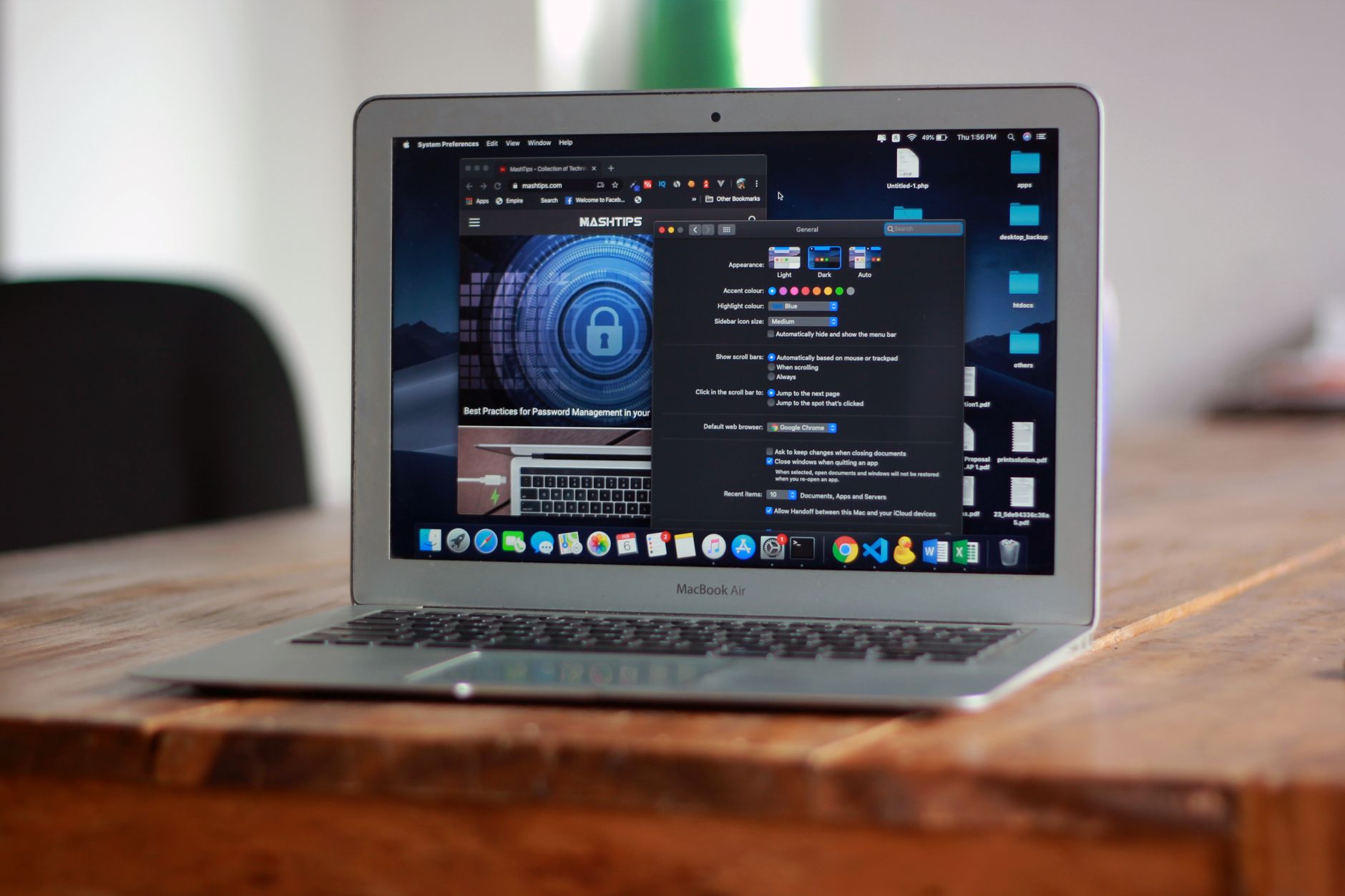
Why must you move the package for MacBook charger status light management?
Modern macOS security frameworks restrict background executable launch agents when initiated from volatile temporary volumes. Developers addressing hardware-level controls must package daemons so that operating system trust policies recognize signed binaries within standard system directories.
Users deploying the tool must manually drag the disk image contents into the main application directory as instructed by the runtime prompt. Neglecting this workflow results in failures where the MacBook charger status light toggle remains unresponsive due to missing helper hooks. Furthermore, understanding these dependency chains helps system administrators troubleshoot similar open-source utilities without guesswork. Proper placement avoids unexpected privilege escalation blocks.
For more insights on managing Apple devices, therefore, see our guide on Apple Trade-in Changes: Samsung Foldables and iPhone Pros. Additionally, understanding hardware risks is key when installing unsigned scripts. Check out Why You Should Think Twice Before Using a MacBook Webcam Cover to ensure complete system safety. You can also explore Fixing Laptop Stutters With Claude Code for broader optimization tips. Furthermore, read Why Upgrading Laptop RAM Is No Longer Cheaper to understand modern hardware constraints.
What are the technical specifications for MacBook charger status light utilities?
Review the structured breakdown below detailing the core release attributes, file dependencies, and execution requirements for the open-source utility.
| Attribute | Specification | Source & Date |
|---|---|---|
| Software Release | Ember v1.0.1 Disk Image | GitHub Releases (2026) |
| Required Path | /Applications/Ember.app | GitHub Releases (2026) |
| Primary Dependency | macOS System Helper Daemon | GitHub Releases (2026) |
These specifications highlight the strict dependency on local paths. Because the tool relies on specific system hooks, however, users should verify their macOS version compatibility before proceeding. Always check the Wikipedia page for macOS for general system requirements. This ensures you understand the underlying OS architecture.
Frequently asked questions about the MacBook charger status light utility
Can I run Ember from the Downloads folder?
No, running from Downloads prevents macOS from starting the helper daemon. You must move the file, because the system will block background processes otherwise.
Where must the application be installed?
It must be moved to the primary Applications folder. This is the standard location for trusted apps, and moving it elsewhere breaks functionality.
Is the utility open source?
Yes, releases are hosted on GitHub by the project maintainers. You can inspect the code, because transparency is common for such tools.
Editorial Review Note: This article was reviewed by the open-source tooling desk. Evidence is limited to a single repository publisher; independent verification of hardware compatibility across all MacBook generations is recommended prior to operational deployment. Source review reason: Only one usable publisher. Add independent evidence before publication.
What impact will this Apple development have over the next 12 months?
Reader poll (non-scientific). Share your perspective below or join the discussion in the comments.