
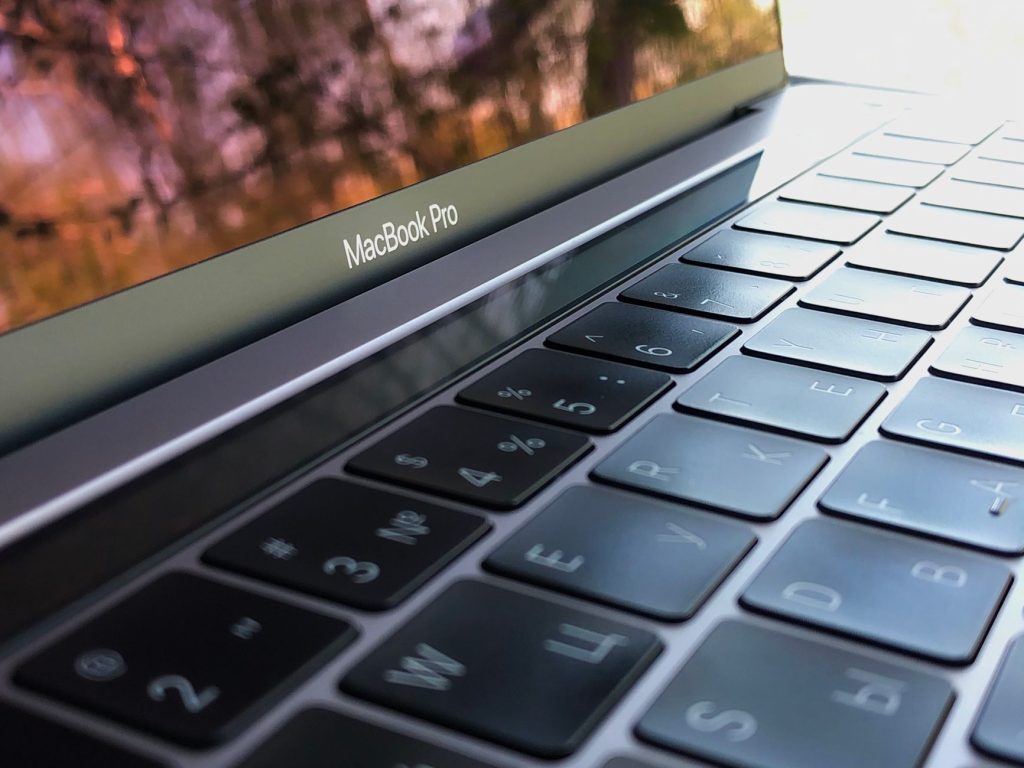
Apple laptops continue to dominate the personal computing market, and the recent introduction of the budget-friendly MacBook Neo changed the industry. Following this strong market reception, tech enthusiasts naturally wonder what improvements will arrive in the upcoming MacBook Neo 2. Apple designed the original affordable device to capture a broader audience, therefore establishing a new entry point into the macOS ecosystem. Understanding the trajectory of Apple hardware helps clarify what to expect from future portable releases. Industry reports and ongoing supply chain discussions frequently center around how subsequent models might build upon the solid foundation laid by initial budget devices. Because technology cycles move quickly, evaluating potential generational leaps remains essential for prospective buyers.
When examining the broader landscape of Apple laptops, analysts often focus on processing power and memory efficiency. While official technical specifications remain subject to change, analyzing ongoing industry reports provides helpful context for anyone tracking portable computers. In addition, hardware analysts expect incremental gains in energy efficiency for the next iteration. When evaluating upcoming portable hardware releases, users frequently examine potential generational leaps in memory capacity. However, manufacturing constraints may limit drastic redesigns during the second generation. Therefore, buyers should anticipate refined internal components rather than an entirely overhauled chassis.
Hardware Upgrades Expected in Apple Laptops
Apple laptops are famous for their seamless integration between custom silicon and operating system software. The next iteration will likely feature an upgraded processor family designed to maximize battery life and thermal performance. Furthermore, rumor mills suggest that base memory configurations might receive a modest bump to handle modern multitasking demands. For example, similar hardware trends can be observed across desktop and portable ecosystems, as detailed in reports like Is 1TB enough storage for your Xbox Series X? Here’s what gamers should know. As a result, consumers can expect better longevity from entry-level hardware purchases. Meanwhile, hardware suppliers are working tirelessly to secure components that balance cost and performance effectively.
Technical improvements rarely happen in a vacuum, and Apple laptops consistently push the boundaries of portable engineering. Transitioning to newer manufacturing nodes allows engineers to pack more transistors into smaller spaces. Consequently, users benefit from quieter operation and extended battery endurance during daily commuting. Also, keeping track of accessory compatibility ensures a smooth transition when upgrading older peripherals. For related utility upgrades across other Apple ecosystems, check out 5 excellent free Apple Watch apps every owner should know about. These subtle refinements collectively elevate the everyday user experience without drastically inflating retail price points.
Market Impact and Consumer Expectations for Apple Laptops
The introduction of more accessible entry points into the macOS ecosystem has shifted expectations for affordable consumer computing. Building upon prior coverage regarding hardware storage considerations and device scaling, understanding consumer hardware tiers remains vital for making informed purchasing decisions. As further details emerge regarding manufacturing timelines and feature sets, prospective buyers can better evaluate whether to invest in current models or wait for upcoming hardware revisions. Industry watchers suggest that production schedules often dictate whether a device arrives on an annual or biennial cadence. Consequently, patience remains a virtue for shoppers eyeing the upcoming successor.
To deepen your understanding of how hardware ecosystems evolve, consider reviewing industry analysis on portable computing trends. For instance, comparing competing hardware lines helps clarify market positioning, much like the upgrade evaluations found in Honor Magic8 Pro vs. Magic9 Pro Max: What’s been upgraded?. Furthermore, external historical context on personal computing can be explored via Wikipedia’s MacBook overview. Ultimately, tracking these developments ensures that consumers remain well-informed before spending their hard-earned money on new electronics.
Frequently Asked Questions About Apple Laptops
Navigating the complex world of modern consumer electronics can be challenging for even the most dedicated technology enthusiasts. Therefore, addressing common questions helps clarify what the future holds for budget-conscious buyers. Is the upcoming successor currently available on store shelves? No, official details and release dates have not been formally confirmed by Apple as of November 2026, according to 9to5Mac. What improvements are expected in the next model? Industry analysts anticipate minor processing bumps and improved energy efficiency, though major redesigns remain unconfirmed by corporate leadership.
Key Takeaways for Future Buyers
The original MacBook Neo launched earlier this year to strong positive reception across global markets. Speculation and reports regarding the MacBook Neo 2 continue to develop rapidly across the tech industry. Evaluating generational upgrades helps consumers time their hardware purchases effectively. Meanwhile, staying updated on supply chain news prevents buyers from experiencing unexpected disappointment. By keeping these factors in mind, tech enthusiasts can navigate their next computer purchase with absolute confidence.
What impact will this Apple development have over the next 12 months?
Reader poll (non-scientific). Share your perspective below or join the discussion in the comments.