

In today’s fast-evolving landscape, understanding Why Upgrading Laptop is essential. Upgrading a laptop’s memory used to be a cheap way to extend its life, but the laptop RAM upgrade is no longer cheaper because prices have exploded and many devices now feature soldered memory. In short, buying the right amount of RAM at purchase time saves you money and eliminates future headaches.

Why Upgrading Laptop: Why Is a Laptop RAM Upgrade No Longer Cheaper?
Because DRAM manufacturers have shifted most of their capacity to AI data centers, the retail market faces a severe shortage. Therefore, prices for DDR5 SO‑DIMM modules have risen by 400% or more since 2023. For example, a 64 GB kit that once cost $250 now sells for over $1,000 in most online stores.
In addition, many thin‑and‑light laptops now ship with RAM permanently soldered to the motherboard. As a result, the traditional laptop RAM upgrade path is physically blocked for the majority of new models.
First, consider the total cost of ownership. Even if you wait for a sale, the volatile market often erases any discount you might have secured. Finally, the risk of buying a mismatched module has grown, because fewer reputable third‑party brands remain in the consumer space.
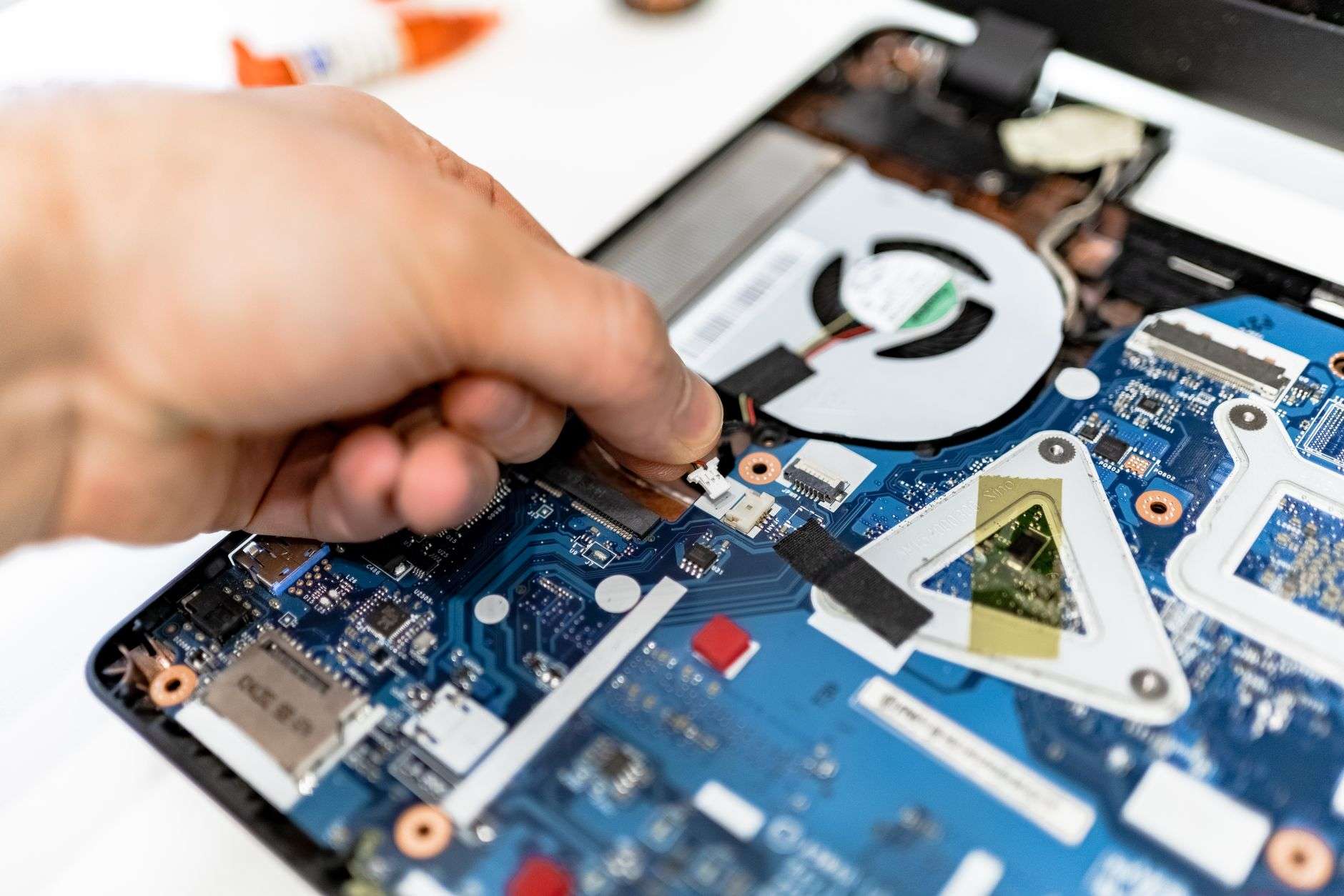
How Did the Laptop RAM Upgrade Market Change?
Manufacturing capacity for DRAM is now dominated by AI workloads and server‑side hardware, leaving little supply for personal computers. Consequently, companies like Micron have reduced their consumer‑grade SO‑DIMM output, and Samsung and SK Hynix prioritize enterprise contracts.
Because of these shifts, the price of a 32 GB memory bundle can exceed $600, and a 64 GB kit often tops $1,000. The table below illustrates current retail pricing for common configurations.
| Configuration | Typical Retail Price | Notes |
|---|---|---|
| 64 GB DDR5 Kit | $1,000+ | Often pricier than factory‑bundled options |
| 32 GB SO‑DIMM | $600+ | Highly volatile supply |
| 16 GB DDR5 | $250+ | Still affordable for basic tasks |
For a deeper look at the market dynamics, see the analysis on DDR5 SDRAM.
Should You Still Attempt a Laptop RAM Upgrade Today?
In most cases, the answer is no. However, a few niche laptops still offer modular slots, and those models can sometimes be upgraded at a reasonable price if you act quickly.
For example, Framework’s modular laptops allow users to replace RAM, but the company raised its 64 GB module price by nearly 100% in 2026 due to supply pressure. Therefore, even modular‑first designs are not immune to the broader shortage.
Also, if you can source a reputable third‑party module at a clear discount, you might still save money. In practice, though, such opportunities are rare and require careful verification. For helpful DIY insights on tackling hardware repairs, check out these 3 household fixes only a 3D printer could solve.
What Is the Future Outlook for a Laptop RAM Upgrade?
Long‑term supply agreements indicate that the shortage will persist until at least 2030. Because production lines are booked through 2028, consumers should not expect significant price relief in the near future.
Meanwhile, software demands continue to rise. Tasks involving AI, 3D rendering, or high‑resolution video editing increasingly require 32 GB or more of RAM. Therefore, planning ahead is essential.
First, decide how you will use your laptop. If you mainly browse the web and handle documents, 16 GB remains sufficient. However, for creative professionals, 32 GB or higher is becoming the new baseline.
Finally, remember that the most practical strategy is to purchase the desired memory capacity when you buy the laptop. This approach avoids the unpredictable costs and physical limitations of future upgrades. If you enjoy discovering unique hardware gadgets, explore this $25 USB dongle that listens to aircraft and satellites.
Frequently Asked Questions
Is it ever cheaper to perform a laptop RAM upgrade later?
Rarely. Because supply shortages keep DDR5 prices high, manufacturers often secure bulk discounts that individual buyers cannot match. Therefore, buying the needed capacity upfront usually offers the best value.
Why is memory hardware becoming so much more expensive?
Memory manufacturers have redirected production to meet the massive demand from AI data centers and enterprise servers. This shift reduces the supply available for consumer laptops, keeping prices elevated.
Should I prioritize RAM when buying a new laptop?
Yes. Since most modern laptops feature soldered memory, the amount you choose at purchase is effectively permanent. Consequently, selecting the highest capacity you can afford is a smart long‑term decision.
Can I still find reliable third‑party RAM modules?
Some reputable brands remain, but their inventory is limited and prices are volatile. Before buying, check reviews and ensure compatibility with your laptop’s specifications.
What other components are affected by the DRAM shortage?
Beyond laptops, the shortage impacts desktop PCs, gaming consoles, and even some automotive systems that rely on high‑speed memory. This broad effect underscores the systemic nature of the supply crunch. For more tech insights, read our hands‑on review of the latest AI drone camera.
What impact will this Hardware & Gadgets development have over the next 12 months?
Reader poll (non-scientific). Share your perspective below or join the discussion in the comments.