
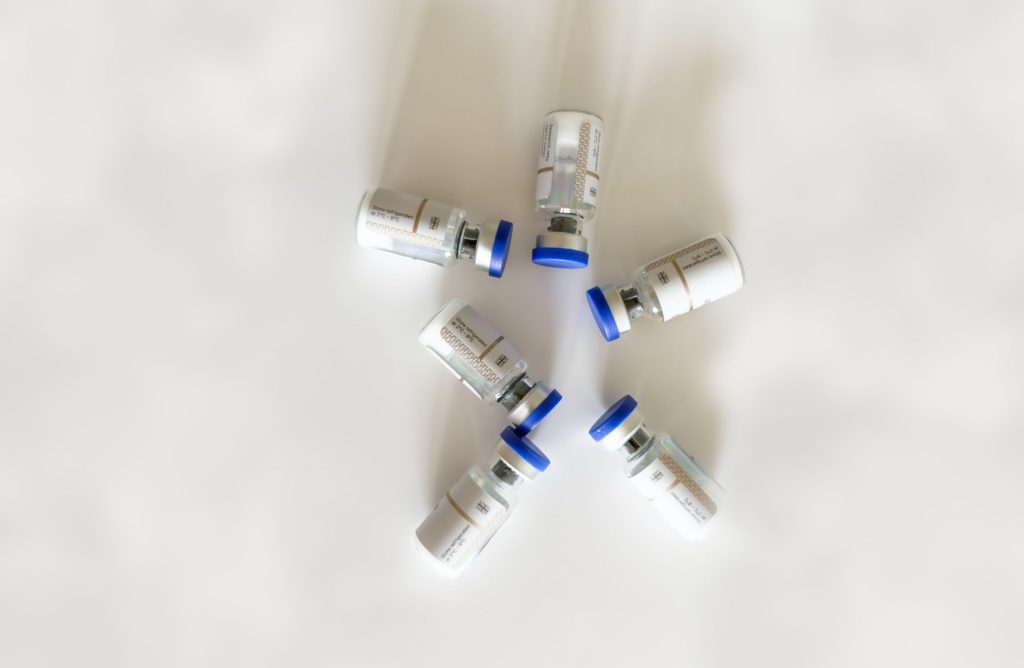
Gray-market peptides frequently bypass traditional pharmaceutical development pathways because of widespread misconceptions regarding patentability and corporate incentives. According to Peter Attia MD, many popular compounds possess extensive corporate development histories and active patent filings contradicting the narrative that big pharma ignores them entirely. Understanding these dynamics is essential for anyone evaluating modern therapeutic research and pharmaceutical pipelines.

Do corporate development histories and active patent portfolios reveal active interest in gray-market peptides?
Commercial drug developers regularly invest in peptide intellectual property, dismantling the widespread belief that these molecules offer zero profit potential. Mainstream pharmaceutical companies maintain active patent filings and clinical evaluations for numerous compounds frequently circulated in underground markets. Consequently, the absence of widespread clinical availability stems from regulatory hurdles rather than total corporate abandonment. Researchers can review broader industry trends such as blood pressure management and treatment strategies to see how clinical pipelines handle complex molecules.
Furthermore, major drug manufacturers often evaluate early-stage candidates long before they appear in public databases. Therefore, consumers should always examine official regulatory databases rather than relying solely on online vendors. In addition, verifying a patent does not automatically mean a drug has completed rigorous human trials.
What does the comparative analysis of underground versus corporate peptide pipelines show?
Evaluating individual molecules uncovers a complex landscape of commercial interest, intellectual property filings, and clinical trial progression. The following comparison contrasts popular underground assumptions with documented industry realities based on available analyses.
| Compound Category | Gray-Market Narrative | Documented Corporate Reality |
|---|---|---|
| BPC-157 | Ignored by pharma due to zero patentability (Attia, 2024). | Multiple international patent applications filed by corporate assignees (Attia, 2024). |
| GLP-1 Agonists | Discovered by independent labs as hidden gems (Attia, 2024). | Heavily capitalized blockbusters developed through traditional trials (Attia, 2024). |
| Growth Hormone Secretagogues | Abandoned entirely by commercial drug developers (Attia, 2024). | Extensive corporate licensing agreements and phase trials (Attia, 2024). |
As shown in the table above, commercial entities track these compounds very closely. However, underground markets often misrepresent these filing statuses to build consumer trust. For more context on clinical validation pathways, readers can explore vaginal estrogen therapy benefits and mechanisms.

How should consumers evaluate safety and efficacy claims surrounding unverified compounds?
Without rigorous clinical trials and standardized manufacturing oversight, safety profiles remain largely speculative regardless of corporate patent status. Buyers often mistake the existence of a patent or early laboratory research for proven human efficacy and validated purity standards. Independent verification and rigorous scientific appraisal remain essential before drawing conclusions about therapeutic utility. Regulatory bodies frequently warn against sourcing unapproved injectable substances from online vendors lacking analytical testing certifications.
Moreover, public health organizations like the World Health Organization emphasize that unverified chemical substances pose significant risks to consumer safety. Therefore, individuals must exercise extreme caution when assessing unverified medical claims online.
Frequently Asked Questions
Are all gray-market peptides completely unpatentable?
No, many peptides have substantial ties to traditional pharmaceutical development and active patent portfolios held by commercial entities. For example, large biotech firms regularly secure intellectual property rights for promising molecular structures.
Why do underground vendors claim big pharma ignores peptides?
Vendors often use this narrative to frame the absence of formal clinical data as a defense mechanism rather than a safety liability. Consequently, buyers may feel a false sense of security regarding unvetted products.
Does a patent guarantee that a peptide is safe for human use?
Corporate patents and early research do not equate to finalized clinical trials or guaranteed safety profiles for consumers purchasing from gray-market sources. Therefore, additional clinical data is always required before human application.
What impact will this Health & Biotech development have over the next 12 months?
Reader poll (non-scientific). Share your perspective below or join the discussion in the comments.