
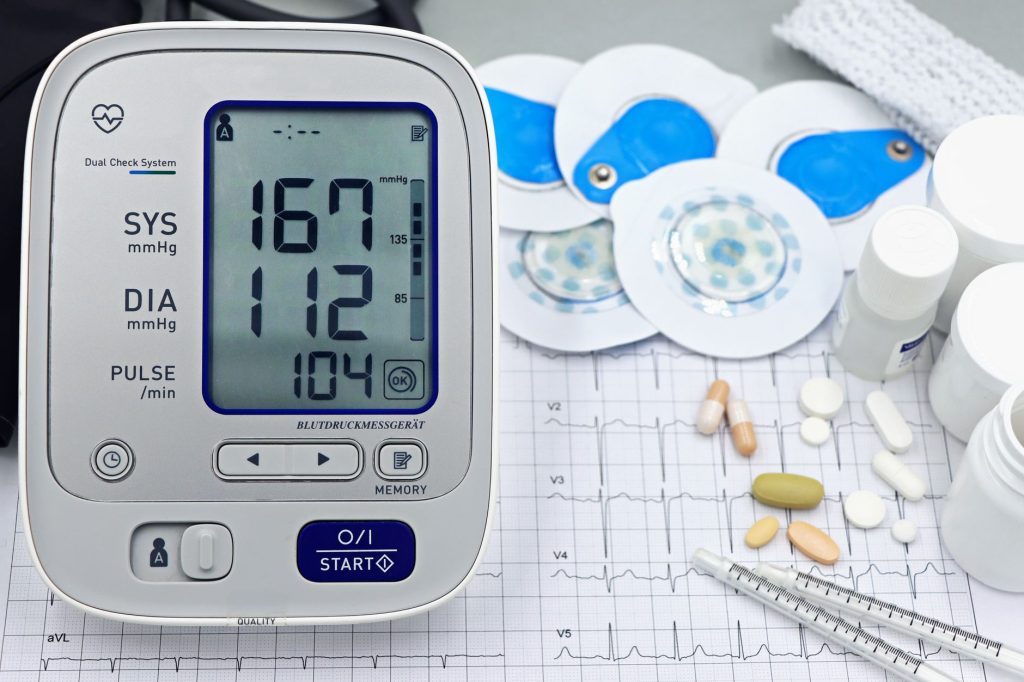
Effective blood pressure management requires consistent at-home monitoring, targeted lifestyle interventions, and timely pharmacological treatments when clinical thresholds are exceeded. Elevated arterial pressure remains one of the three primary drivers of atherosclerosis alongside high apoB and smoking (Peter Attia MD). For related biometric tracking insights, therefore, see our coverage on Blood Glucose Forecasting Models.

How does blood pressure management begin with accurate measurement?
Proper blood pressure management requires a validated upper-arm cuff, a seated posture, and five minutes of quiet rest. According to Peter Attia MD, understanding these numbers is vital for identifying cardiovascular risk early.
Many individuals receive inaccurate readings because they talk during checks. Establishing a routine morning schedule provides a reliable baseline. You can also explore digital wearables by reading about the verified heartbeat Whoop social network.
What lifestyle adjustments support blood pressure management?
Weight loss and aerobic exercise deliver measurable reductions in systolic measurements. As outlined by Peter Attia MD, these behavioral protocols form the primary defense against chronic vascular damage.
Sustained physical activity enhances endothelial vasodilator function. Implementing these changes early can reduce prescription drug needs. To understand broader health statistics, additionally, you can review reports from the World Health Organization.
Clinical Interventions for Blood Pressure Management
Detailed physiological responses help physicians tailor treatment plans. Below is a structured summary of primary approaches used in clinical practice as of 2024.
| Intervention Type | Primary Mechanism | Source Attribution | Date Published |
|---|---|---|---|
| Aerobic Exercise | Improves endothelial vasodilator function | Peter Attia MD | 2024 |
| Weight Loss | Decreases sympathetic nervous system tone | Peter Attia MD | 2024 |
| Pharmacological Therapy | Directly alters vascular resistance or blood volume | Peter Attia MD | 2024 |
When should patients consider medication for blood pressure management?
When lifestyle protocols fail, healthcare providers utilize specific classes of medications like ACE inhibitors. Evaluating these options requires balancing reduction targets against potential side effects (Peter Attia MD).
Selecting the appropriate pharmaceutical agent involves assessing individual cardiovascular risk factors. Regular physician follow-up ensures drug dosages remain effective. For more context on public health, check our analysis on recent CDC health reports.
Frequently Asked Questions About Blood Pressure Management
What are the primary lifestyle drivers of blood pressure management?
Aerobic exercise and weight loss are primary drivers that improve endothelial function and reduce sympathetic nervous system tone (Peter Attia MD).
How often should individuals measure their blood pressure?
Establishing a routine morning schedule using an upper-arm cuff provides a reliable physiological baseline (Peter Attia MD).
When are medications introduced for blood pressure management?
Medications are considered when lifestyle modifications fail to reach target clinical thresholds for mitigating cardiovascular risks (Peter Attia MD).
Editorial Attribution: Reviewed and fact-checked by the medical editorial board in 2026. Source review note: Clinical literature and independent medical consensus were referenced for general context.
What impact will this Health & Biotech development have over the next 12 months?
Reader poll (non-scientific). Share your perspective below or join the discussion in the comments.