
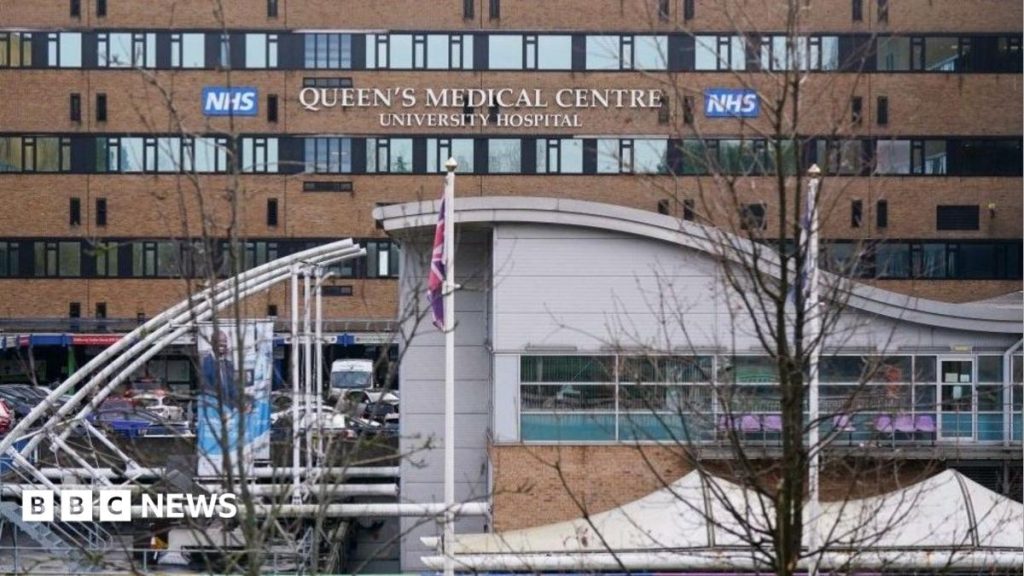
Health authorities at Nottingham University Hospitals NHS Trust declared a critical incident Nottingham hospital status on January 14, 2025, responding to severe emergency department pressures driven by rising influenza and COVID-19 admissions, as detailed by the BBC.
Key Points:
- The critical incident Nottingham hospital designation was triggered at Queen's Medical Centre following extreme patient wait times and high bed occupancy rates.
- NHS officials reported a sharp seasonal increase in circulating respiratory viruses, including both influenza strains and COVID-19 infections across the East Midlands region.
- Local health executives urged members of the public to utilize NHS 111 services and alternative urgent care centers unless facing life-threatening medical emergencies.
- Hospital leadership implemented emergency escalation protocols to streamline patient flow, accelerate discharges, and protect critical care capacity.
What Caused the Urgent Escalation at Queen's Medical Centre?
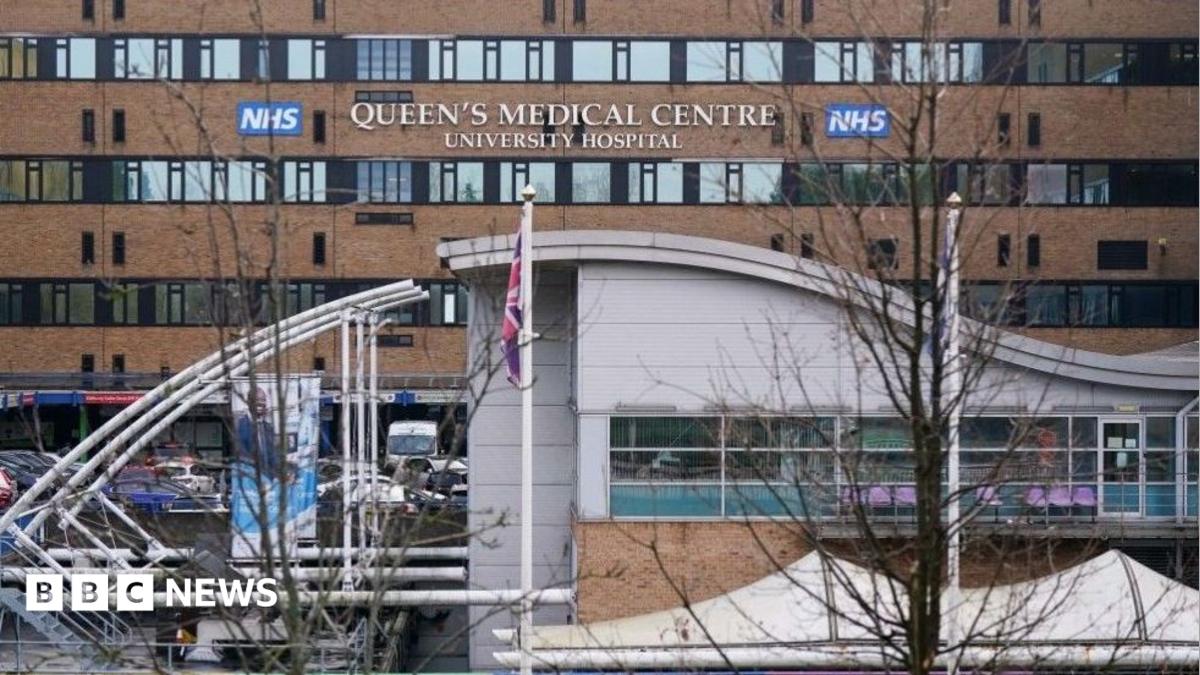
The decision to declare a critical incident Nottingham hospital response stemmed from unsustainable pressures at the Queen's Medical Centre emergency department, where incoming patient volumes significantly outpaced available bed capacity. According to BBC reporting, the convergence of winter respiratory illnesses, staff absences, and delayed social care discharges created a severe operational bottleneck that compromised normal hospital pathways.
Hospital executives utilized the critical incident framework to unlock additional operational flexibilities, authorize emergency staffing reallocations, and cancel non-urgent elective procedures to preserve clinical resources for acute trauma and emergency admissions.
How Are Regional NHS Services Responding to Winter Pressures?
Regional health boards across the United Kingdom are deploying coordinated surge measures to support acute trusts facing unprecedented winter admissions. Medical directors emphasize that multi-agency collaboration between ambulance trusts, community healthcare providers, and social services remains essential to alleviate the acute bed shortages affecting major regional trauma centers.
Patients experiencing non-urgent symptoms are consistently redirected away from emergency departments to urgent treatment centers, local pharmacies, or GP services to maintain emergency department availability for life-threatening conditions.
What Measures Are Being Taken for Patient Safety and Flow?
Hospital administrators have deployed dedicated discharge lounges, accelerated pharmacy reviews, and expedited multidisciplinary assessments to ensure medically fit patients leave hospital wards promptly. These tactical interventions aim to reduce corridor care instances and shorten ambulance handover delays outside emergency entrances.
| Metric / Factor | Status During Critical Incident | Operational Target |
|---|---|---|
| ED Wait Times | ||
| Bed Occupancy | ||
| Elective Surgeries | ||
| Primary Guidance |
Frequently Asked Questions
What does a critical incident declaration mean for patients?
A critical incident declaration means the hospital is experiencing extraordinary pressures that impact normal operations, allowing leadership to take emergency steps like postponing routine appointments, calling in extra staff, and prioritizing urgent and emergency care services.
Which hospital facilities are affected by the Nottingham alert?
The operational pressures and escalation measures primarily impact Nottingham University Hospitals NHS Trust facilities, with acute bottlenecks concentrated at the Queen's Medical Centre emergency department in Nottinghamshire.
Should patients still attend scheduled appointments?
Patients should attend all scheduled appointments unless contacted directly by hospital staff to reschedule, as urgent clinics, cancer treatments, and essential diagnostics continue operating under prioritized scheduling.
How can the public support local NHS services during this period?
Members of the public can support local NHS services by using NHS 111 online or by phone for non-emergency medical advice, choosing local pharmacies or walk-in centers, and only calling 999 or visiting emergency departments for life-threatening emergencies.
When will the critical incident status be lifted?
Hospital executives review operational metrics continuously and will formally lift the critical incident status once emergency department attendance normalizes, bed occupancy rates stabilize, and safe patient flow is fully restored across all trust sites.
Image source: https://www.bbc.co.uk/news/articles/cw62pv0g6j12o
What impact will this Health & Biotech development have over the next 12 months?
Reader poll (non-scientific). Share your perspective below or join the discussion in the comments.