
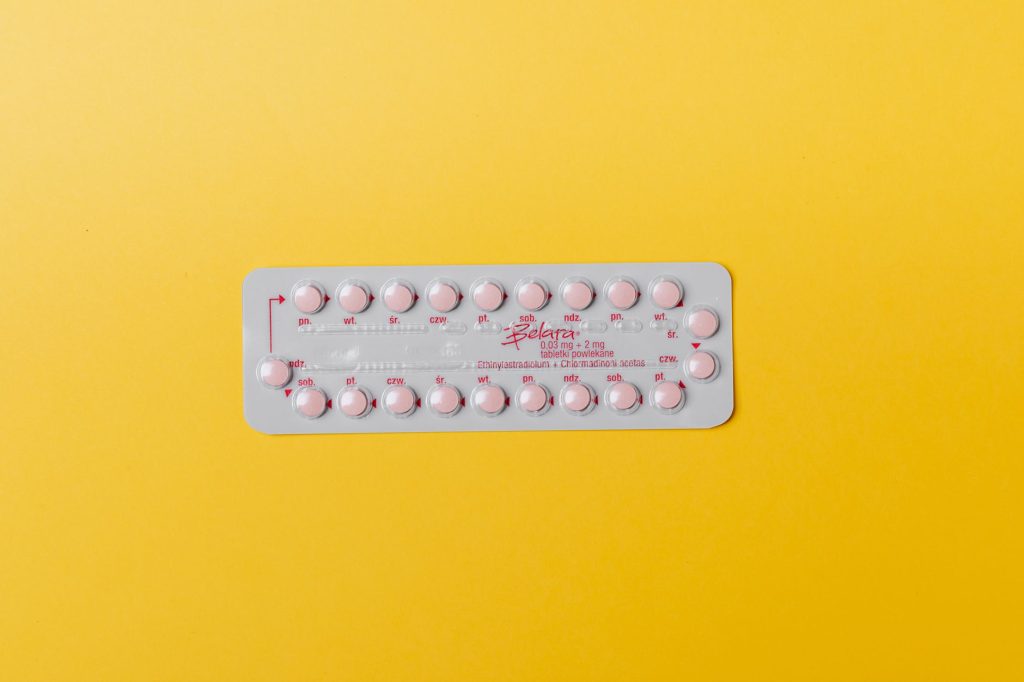
Vaginal estrogen therapy is an effective, physiological intervention that restores genitourinary tissue integrity and microbiome balance, significantly reducing recurrent urinary tract infections in menopausal women. By replenishing local estrogen levels, this targeted treatment rebuilds protective mucosal barriers and lowers vaginal pH without the systemic risks associated with traditional hormone replacement. Therefore, many clinicians now recommend localized regimens over systemic alternatives because localized absorption limits whole-body exposure while directly healing affected tissues.

What biological mechanisms link menopause to severe urinary tract infections?
Estrogen withdrawal during menopause structurally alters the vulva, vagina, and urinary tract, impairing the epithelial barrier and diminishing local immune defenses against pathogenic bacteria such as Escherichia coli. According to data analyzed by Peter Attia MD (2024), the loss of estrogen stops cells from producing glycogen, which starves beneficial Lactobacillus bacteria and allows harmful microbes to proliferate. Because this biological shift weakens mucosal defense lines, postmenopausal women frequently experience escalating infection rates.
In addition, researchers tracking related physiological biomarkers note that blood glucose forecasting models help scientists understand systemic metabolic changes during aging. Although systemic factors play a role, the localized depletion of protective flora remains the primary driver of recurrent genitourinary discomfort.
How does vaginal estrogen therapy compare to continuous antibiotic therapy?
Targeted vaginal hormone replacement addresses the root physiological cause of genitourinary syndrome of menopause, whereas continuous antibiotics risk driving antimicrobial resistance and secondary infections. Clinical evaluations demonstrate that localized formulations directly reverse atrophic changes while avoiding the systemic complications tied to oral regimens. Consequently, patients often experience sustained relief without developing resistance profiles seen in long-term antibiotic protocols.
Furthermore, digital health tools such as wearable health tracking networks help patients monitor daily wellness and symptom management. Meanwhile, public health agencies like the World Health Organization track these interventions to optimize postmenopausal care guidelines globally.

| Intervention Type | Primary Mechanism | Documented Risk | Source & Date |
|---|---|---|---|
| Continuous Antibiotics | Suppresses bacterial load | Antimicrobial resistance, C. difficile | Peter Attia MD (2024) |
| Vaginal Estrogen | Restores mucosa and Lactobacillus | Local candidiasis (rare) | Raz and Stamm (1993) |
What clinical evidence supports vaginal estrogen therapy for recurrence reduction?
Intravaginal estriol and estradiol significantly slash infection recurrence rates by reestablishing vaginal acidity and promoting protective microbial colonization. Landmark trials highlighted by Peter Attia MD (2024) indicate that local estrogen administration drops vaginal pH from 5.5 to 3.8 while nearly eliminating recurrent urinary tract infection episodes in postmenopausal cohorts. Furthermore, public health organizations monitor these longevity interventions as part of broader women’s health initiatives.
To put these findings into perspective, clinical researchers also study other modern health trends, such as mental health litigation data, to gauge patient adherence across various demographics. Ultimately, robust clinical data confirms that localized hormonal support remains a gold standard for managing postmenopausal tissue atrophy.
What impact will this Health & Biotech development have over the next 12 months?
Reader poll (non-scientific). Share your perspective below or join the discussion in the comments.