

In today’s fast-evolving landscape, understanding Running Business Road is essential. Running a business from the road while city-hopping across Spain requires balancing professional responsibilities with constant relocation. As digital nomads in Spain move through urban hubs, structured planning, reliable connectivity, and deliberate scheduling ensure success. Spain remains an attractive destination for remote entrepreneurs because major urban centers are linked by extensive transport networks that allow seamless transitions between cities like Barcelona, Valencia, and Madrid (Home Business Magazine, 2026).

Many digital nomads in Spain balance corporate governance controls alongside travel. They utilize modern tech workflows or insights inspired by resources like Understanding Executive Wealth and Governance Controls to manage operations remotely. However, maintaining steady momentum requires understanding local urban advantages and transit logistics.
Running Business Road: Which cities serve digital nomads in Spain best? Barcelona features large international communities and robust coworking spaces, whereas Valencia provides coastal proximity alongside urban convenience (Home Business Magazine, 2026).
Choosing where to establish a temporary base depends heavily on daily operational needs. Founders requiring frequent video conferences benefit from stable apartments featuring dedicated desks. Conversely, freelancers with minimal fixed commitments can easily transition between diverse urban hubs without disrupting workflow.
Spain’s transit infrastructure significantly simplifies movement. The high-speed rail corridor connects major business centers directly. Professionals travel city-center to city-center without enduring airport security delays. Utilizing trains for offline tasks like reading reports or writing drafts turns transit time into productive hours (Home Business Magazine, 2026).
To optimize daily efficiency further, digital nomads in Spain can streamline device tasks or adopt productivity tools similar to those discussed in Boost Workflow With These 3 Windows 11 Features while working from cafes or temporary desks.
How do digital nomads in Spain maintain productivity while changing locations? Staying four to five nights in a single destination establishes a sustainable rhythm that prevents burnout and logistical fatigue (Home Business Magazine, 2026).
Constant movement consumes valuable cognitive energy. Packing, checking out, and settling into new accommodations drains hours that should be dedicated to revenue-generating tasks, client communications, and deadline management.
Extending stays to a week or more helps remote workers build local routines. They identify reliable cafes and discover quiet coworking spaces. Maintaining strict working hours prevents professional duties from bleeding into leisure time, ensuring a sustainable balance between work and travel (Home Business Magazine, 2026).
When remote hardware issues arise on the road, digital nomads in Spain often rely on compact troubleshooting methods. They echo portable problem-solving strategies such as 5 Household Mysteries a $15 Multimeter Solves for quick diagnostic assessments.
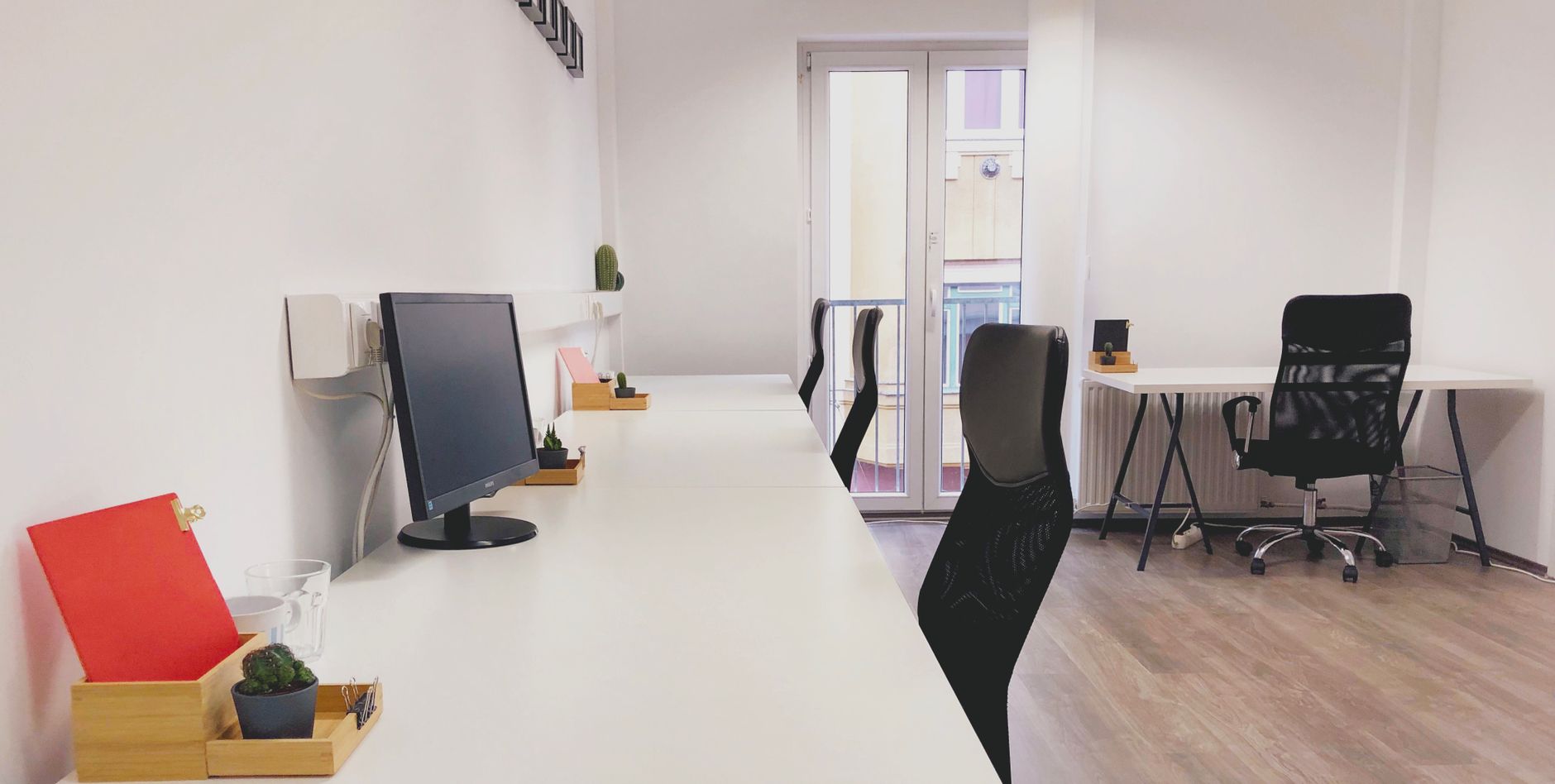
What logistical factors should digital nomads in Spain evaluate before booking accommodation? Verified internet speeds, dedicated workspace ergonomics, and neighborhood noise levels directly impact daily business output (Home Business Magazine, 2026).
An apartment that appears picturesque online may lack adequate lighting or stable broadband connections. Evaluating specific environmental factors ensures uninterrupted client communication. It also prevents unexpected connectivity failures during critical business hours.
Establishing backup locations, such as local flexible workspaces or alternative cafes, provides necessary operational security when primary setups fall short (Home Business Magazine, 2026).
| Spanish City | Primary Infrastructure Advantage | Source | Date Sourced |
|---|---|---|---|
| Barcelona | Large international community and extensive coworking network | Home Business Magazine | 2026 |
| Valencia | Compact urban environment with accessible beach proximity | Home Business Magazine | 2026 |
| Madrid | Capital scale with robust professional and transit infrastructure | Home Business Magazine | 2026 |
Frequently asked questions for digital nomads in Spain
How do I manage client time zones while traveling through Spain?
Spain operates on Central European Time, which aligns well with most European clients. Communicating availability in advance and setting clear schedules ensures seamless operations.
Are Spanish trains reliable for working while in transit?
High-speed rail links between major hubs like Barcelona and Madrid allow for offline tasks, planning, and writing, though Wi-Fi availability varies.
What is the ideal duration to stay in each Spanish city?
Staying four to five nights or up to two weeks helps balance exploration with professional productivity, preventing travel fatigue.
Editorial Review Note: This article was reviewed by the human editorial team for clarity and adherence to professional remote work standards. Due to limited initial publisher sources, further independent verification of local Spanish municipal policies and broadband consistency is recommended before publication. For further background on global remote labor trends, consult Wikipedia’s Digital Nomad Overview.
What impact will this Startups & Business development have over the next 12 months?
Reader poll (non-scientific). Share your perspective below or join the discussion in the comments.