
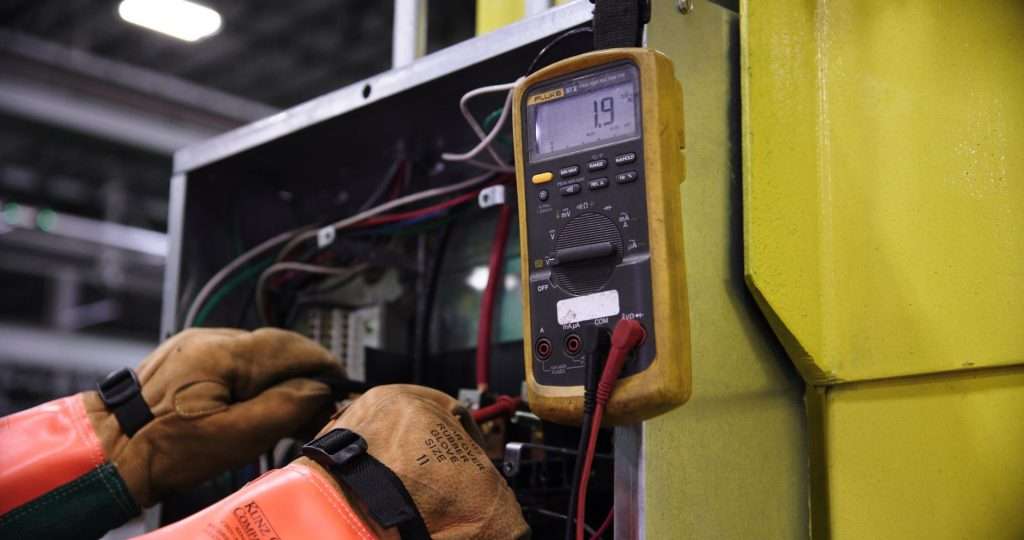
In today’s fast-evolving landscape, understanding Household Mysteries Multimeter is essential. A $15 multimeter solves five common household mysteries involving batteries, automotive power, electrical outlets, cords, and low-voltage transformers. Because this versatile diagnostic tool prevents unnecessary service calls, many DIYers keep one nearby. You can use your multimeter to check if household items are truly broken or simply underfed.
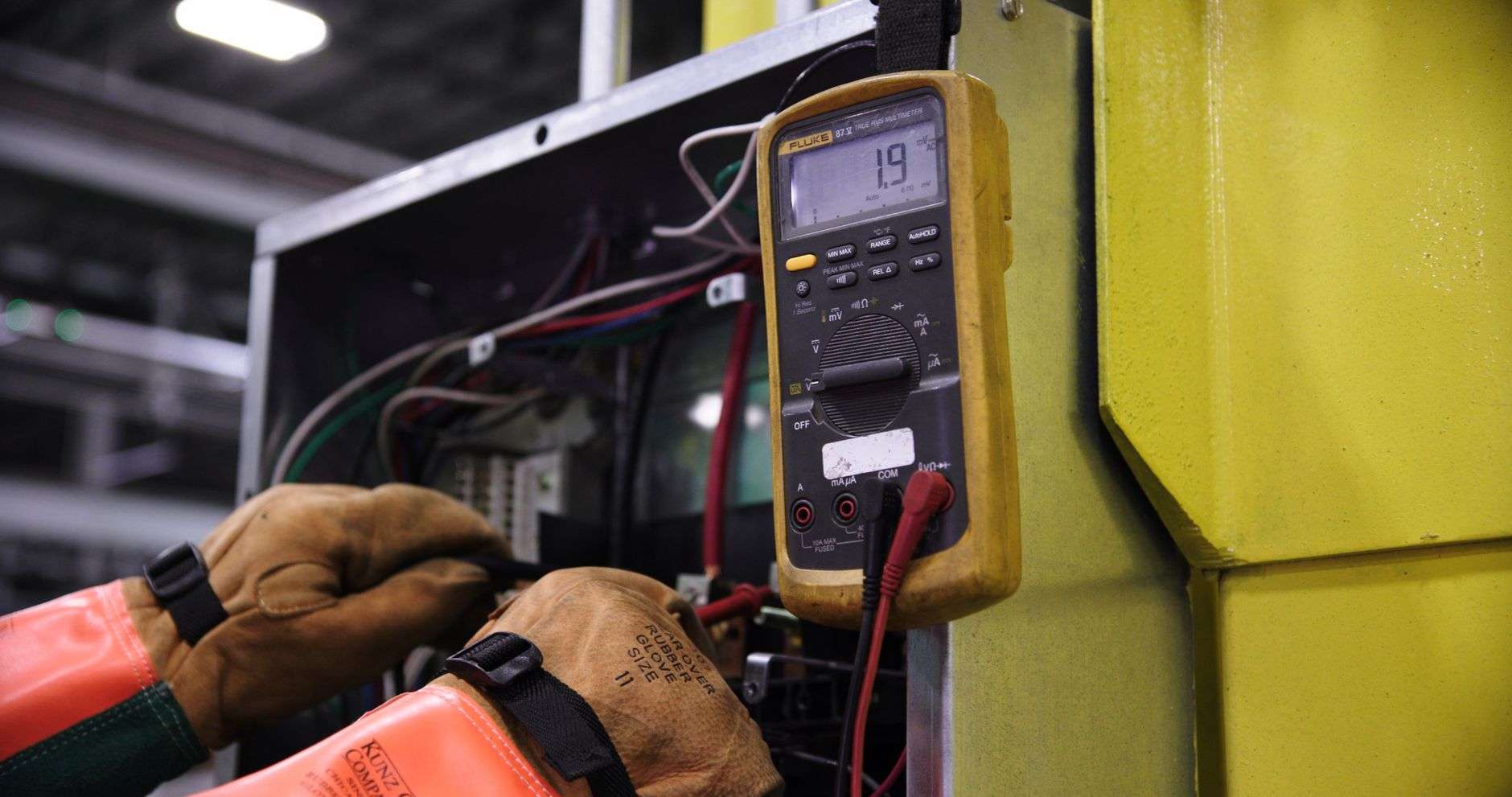
Many homeowners also like to tinker with affordable hardware tools, such as 3 DeWalt Tools That Fit in Your Pocket, to complete everyday quick fixes around the house.
Household Mysteries Multimeter: How does a multimeter change repairs?
Your multimeter changes routine repairs by providing precise, actionable electrical readings at a minimal price. These budget tools measure AC and DC volts, resistance, and continuity to replace guesswork with exact data.
Instead of relying on plug-in testers that only indicate if power is present, a multimeter shows how much power moves through a circuit. For example, testing an outlet with a multimeter distinguishes between a healthy 110V range and a weak connection. This tool helps users diagnose dead batteries or failing doorbell transformers in under a minute.
How does the multimeter influence decisions?
The practical implication of using a multimeter is a shift from reactive replacement to informed maintenance. When an appliance fails, homeowners typically choose between calling a repair service or buying a new unit. Evidence shows that a multimeter significantly reduces those costs by isolating faulty components.
| Household Issue | Multimeter Diagnosis | Potential Cost Saving |
|---|---|---|
| Toy battery pack | Isolates one weak cell | Avoids full set replacement |
| Car battery/alternator | Confirms charging health | Eliminates shop diagnosis fee |
| Extension cord | Checks for internal breaks | Avoids new appliance purchase |
| Smart home wiring | Verifies transformer output | Avoids unneeded device replacement |
Beyond identifying broken items, the multimeter also saves money on functional gear. For instance, testing a power tool battery that won’t charge reveals if it is truly dead or simply asleep. As noted by the World Health Organization, safe handling of electrical components remains vital for all diagnostics. A pack reading in the single digits is likely beyond recovery, but a 15V reading indicates a pack that may be revived.
For advanced makers looking to automate workshop setups, integrating tools like How NFC Tags at Home Streamline Daily Phone Tasks can further streamline your DIY environment.
What remains unsafe for DIYers?
Budget meters are designed for low-voltage tasks and are strictly insufficient for diagnosing complex home electrical infrastructure. Users must recognize that these inexpensive tools do not offer the safety protections required for high-voltage residential wiring.
While a basic multimeter is excellent for receptacle testing, it cannot identify internal chip failures inside modern smart appliances. Professionals remain essential for any work involving the service panel. Furthermore, readings provide a snapshot of health, but they cannot predict the long-term reliability of an aging component.
If you enjoy exploring unique hardware modifications, you might also appreciate reading about This Seven-Year-Old $250 GPU Is Still a Better Buy Than a $949 Steam Deck.
Frequently asked questions
What does a fresh battery read?
A fresh alkaline battery reads around 1.55 volts when tested with a digital multimeter on a DC voltage setting. Once the measurement drops near 1.3 volts, the battery is effectively depleted.
How do you test a cord?
Set your multimeter to continuity mode, ensure the cord is unplugged, and hold a probe against the same prong at both ends. An audio beep confirms the internal wire is whole.
What voltage should a car alternator output?
A healthy automotive alternator should push between 13.7 and 14.7 volts while the engine runs. If your multimeter measurement remains low, the alternator is failing to charge the battery.
Are cheap digital models safe?
Yes, affordable meters are safe for low-voltage tasks like testing batteries and standard wall outlets. However, users must avoid opening main residential breaker panels.
What impact will this Hardware & Gadgets development have over the next 12 months?
Reader poll (non-scientific). Share your perspective below or join the discussion in the comments.