
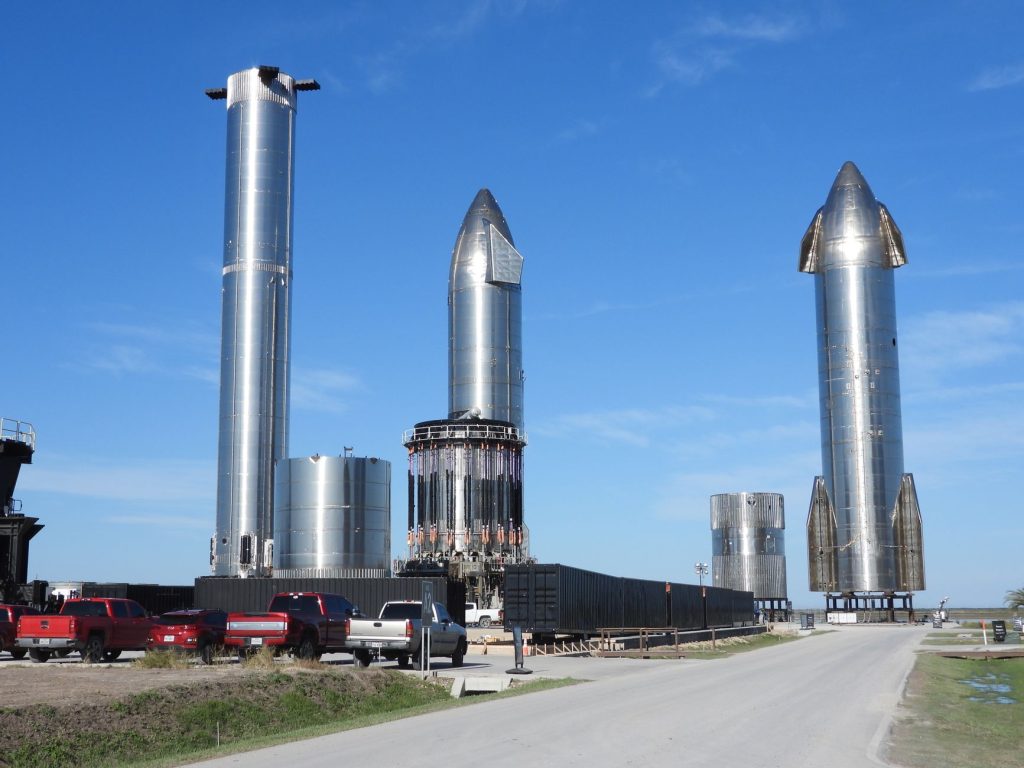
In today’s fast-evolving landscape, understanding Orbital Flight Milestone is essential. An exciting orbital flight test recently showcased the incredible capabilities of modern aerospace engineering. SpaceX brought its massive spacecraft back to the launch pad after completing a remarkable mission. Therefore, aerospace fans watched closely as history unfolded in Texas. However, the mission faced unexpected challenges before achieving its ultimate goals. Learn more about aerospace tech on our main portal, or read the full report at The Guardian.
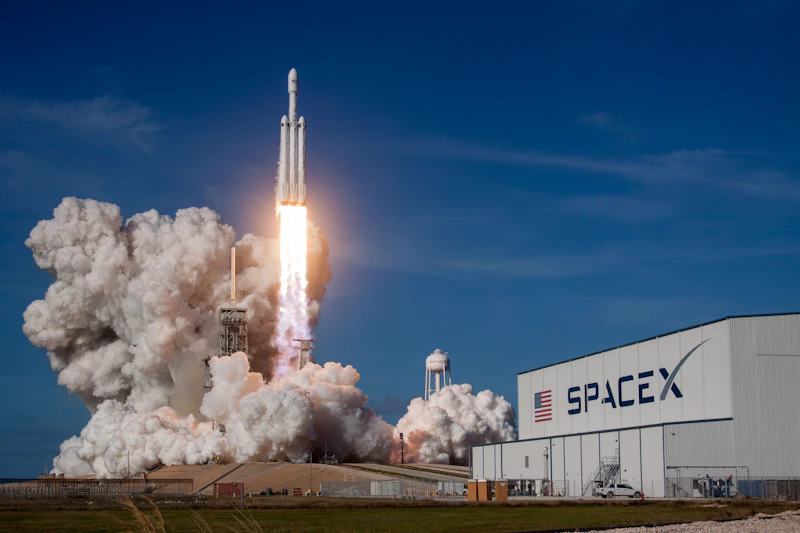
Orbital Flight Milestone: The success of the orbital flight
During the recent test, the towering spacecraft completed numerous circuits around our planet. Engineers monitored every system closely while the vehicle orbited Earth fourteen times. Furthermore, this specific orbital flight proved that the upper stage can withstand severe atmospheric reentry. As a result, ground crews prepared for a historic recovery maneuver at the launch site. Meanwhile, spectators gathered near the facility to witness the landing attempt. Explore related space updates to stay informed on industry trends, or check NASA updates for official agency news.
The 171-foot bullet-shaped vehicle descended gracefully toward the massive mechanical arms. Technicians built these specialized arms to secure the craft safely after its long journey. Consequently, the mechanical structure captured the upper stage perfectly. This achievement marks a huge step toward making megarockets fully reusable. Moreover, the company plans to increase flight frequencies significantly in the coming months.
Challenges during the orbital flight campaign
Despite the grand finale, the mission experienced notable obstacles during its initial launch phase. Engineers initially planned a double-catch scenario where both major rocket sections returned safely. However, the lower booster stage deviated from its expected trajectory shortly after liftoff. Therefore, safety systems triggered a controlled destruction over the open waters of the Gulf of Mexico. Officials confirmed that this protocol functioned exactly as designed to protect nearby regions.
Company spokespersons explained that telemetry data showed minor guidance anomalies moments after ignition. Because safety remains a top priority, computers aborted the booster recovery attempt immediately. Meanwhile, mission controllers focused entirely on guiding the upper vehicle through its remaining circuits. Ultimately, securing the upper stage validated months of hard work from the entire engineering team.
Future goals for orbital flight technology
Future missions will test even bolder concepts as leadership pushes for rapid reusability. Chief executives envision a future where rockets operate with airline-like turnaround times. Additionally, upcoming hardware revisions will address the minor anomalies observed during the recent launch. Therefore, teams expect higher reliability rates during subsequent testing phases.
These developments directly support upcoming lunar missions scheduled for later this decade. Space agencies rely heavily on commercial partners to transport heavy payloads and human crews. Consequently, perfecting this transport architecture remains essential for establishing permanent bases on the Moon. Beyond lunar objectives, planners maintain long-term ambitions for crewed journeys to Mars.
Expanding commercial orbital flight operations
Commercial space transport requires rigorous safety standards and consistent performance metrics. Industry leaders continue refining software algorithms to handle unexpected atmospheric conditions smoothly. Furthermore, manufacturing facilities are ramping up production to support weekly launch cadences. As a result, engineers gather valuable telemetry data at an unprecedented frequency.
Ultimately, modern space exploration enters a transformative era defined by rapid technological iteration. Every successful test builds confidence for future interplanetary expeditions. Observers worldwide eagerly await the next milestone in commercial space travel. Therefore, continuous innovation will undoubtedly shape the future of human presence beyond Earth.
What impact will this Science & Future Tech development have over the next 12 months?
Reader poll (non-scientific). Share your perspective below or join the discussion in the comments.