
The November Beaver Moon Supermoon reached its peak illumination on November 24, 2026, offering observers across the United States a spectacular view of the lunar surface at its closest point to Earth this month. As reported by The Boston Globe, this celestial event served as the final supermoon of the year, providing a distinct brightness that captivated amateur astronomers and casual skywatchers alike.
Key Takeaways:
- The November Beaver Moon Supermoon officially peaked in luminosity during the early hours of November 24, 2026.
- Lunar perigee occurs when the moon is at its closest point to Earth in its orbit, appearing up to 14% larger.
- The term "Beaver Moon" originates from colonial and Native American traditions marking the season when beavers prepare for winter.
- Last updated: November 26, 2026, 09:00 UTC.
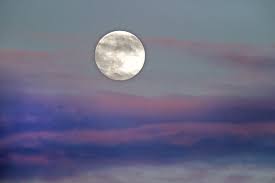
What makes the November Beaver Moon Supermoon unique?
The November Beaver Moon Supermoon is defined by the coincidence of a full moon occurring near the lunar perigee, which causes the satellite to appear significantly larger and brighter than an average full moon. According to data tracked by Space.com, the proximity of the moon to our planet increases the perceived diameter by approximately 14% while boosting overall brightness by nearly 30% compared to apogee.
How does the 2026 lunar cycle compare?
This lunar cycle represents the conclusion of the 2026 supermoon series, providing a stark contrast in visual scale and brightness when compared to the smaller, more distant moons observed during the middle of the calendar year. The following table highlights the comparative differences between a standard full moon and this supermoon event based on historical orbital averages.
| Moon Type | Distance from Earth | Visual Size | Brightness Increase |
|---|---|---|---|
| Standard Full Moon | ~384,400 km | Baseline | Baseline |
| November Supermoon | ~357,000 km | +14% | +30% |
When is the next supermoon visible?
While the November Beaver Moon Supermoon concludes the 2026 series, skywatchers looking for the next major lunar perigee event should prepare for cycles beginning in late 2027. Reporting from Forbes indicates that planetary orbits dictate these occurrences, making precise planning necessary for enthusiasts who wish to photograph the moon when it aligns with other celestial bodies like the Pleiades cluster.
Frequently Asked Questions
What is the scientific definition of a supermoon? A supermoon occurs when the moon's orbit brings it to perigee, the point closest to Earth, while simultaneously in its full phase. This orbital synchronization results in a moon that appears larger and more radiant than at any other time during its standard 27.3-day orbital path around our planet.
Why is it called the Beaver Moon? The name Beaver Moon is a traditional title for the November full moon, reflecting historical observations by Native American and colonial groups. During this time of year, beavers are particularly active as they finalize their dams and prepare food caches to survive the freezing temperatures of the approaching winter months.
Did the weather impact visibility for the November Beaver Moon Supermoon? Regional weather patterns significantly influenced the quality of sightings across the United States during the peak on November 24, 2026. While many coastal areas in the Northeast reported cloud cover, central and western regions provided clearer atmospheric conditions for stargazers looking to capture high-definition photographs of the lunar surface.
How can I photograph a supermoon effectively? To photograph a November Beaver Moon Supermoon successfully, experts recommend using a tripod and a telephoto lens with a focal length of at least 200mm to capture surface details. Setting a faster shutter speed is essential because the moon's brightness can easily wash out features if the camera's exposure settings are left in an automatic mode.
Image source: https://www.bostonglobe.com/2026/11/25/metro/beaver-supermoon-photos-peak/
What impact will this Science & Future Tech development have over the next 12 months?
Reader poll (non-scientific). Share your perspective below or join the discussion in the comments.