
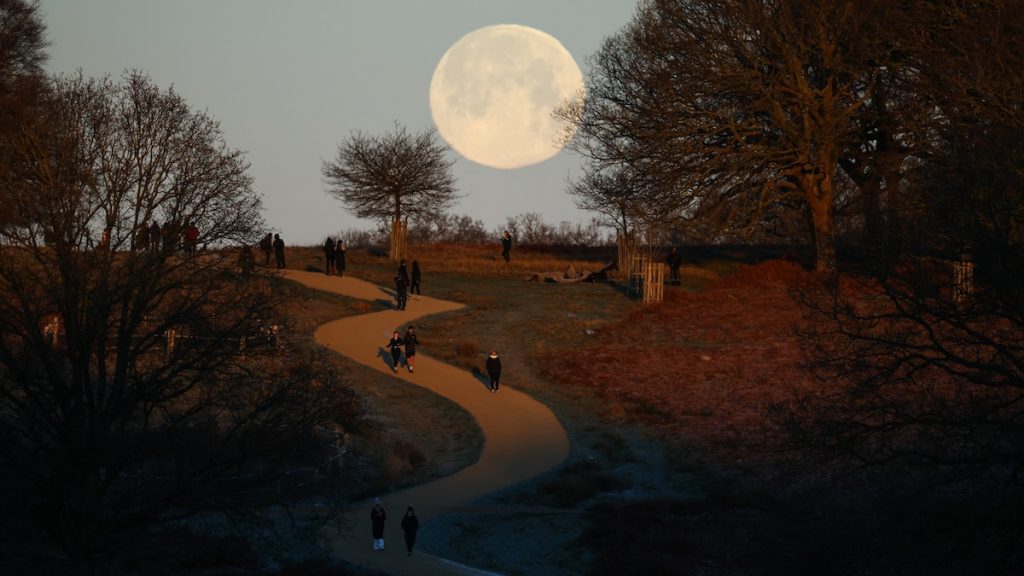
Skywatchers and astronomy enthusiasts are preparing for a stunning celestial event as the full moon november 2026 astrology alignment reaches its peak, according to recent updates from CNN. This remarkable lunar phenomenon offers a breathtaking view for observers across North America, combining impressive lunar brightness with unique planetary alignments.
Key Points: (see related coverage: Compare Car Insurance Australia: Full Cover Policy Guide)
- The celestial event peaks officially in late November 2026, delivering exceptional illumination across global night skies.
- According to Forbes, the lunar display aligns closely with the prominent Seven Sisters star cluster.
- Stargazers can observe the phenomenon without specialized equipment, provided local weather conditions remain clear.
- Observers are encouraged to look toward the eastern horizon just after sunset for the optimal viewing experience.
Last updated: November 23, 2026, 14:00 UTC
What Makes the Beaver Supermoon Phenomenon Unique?
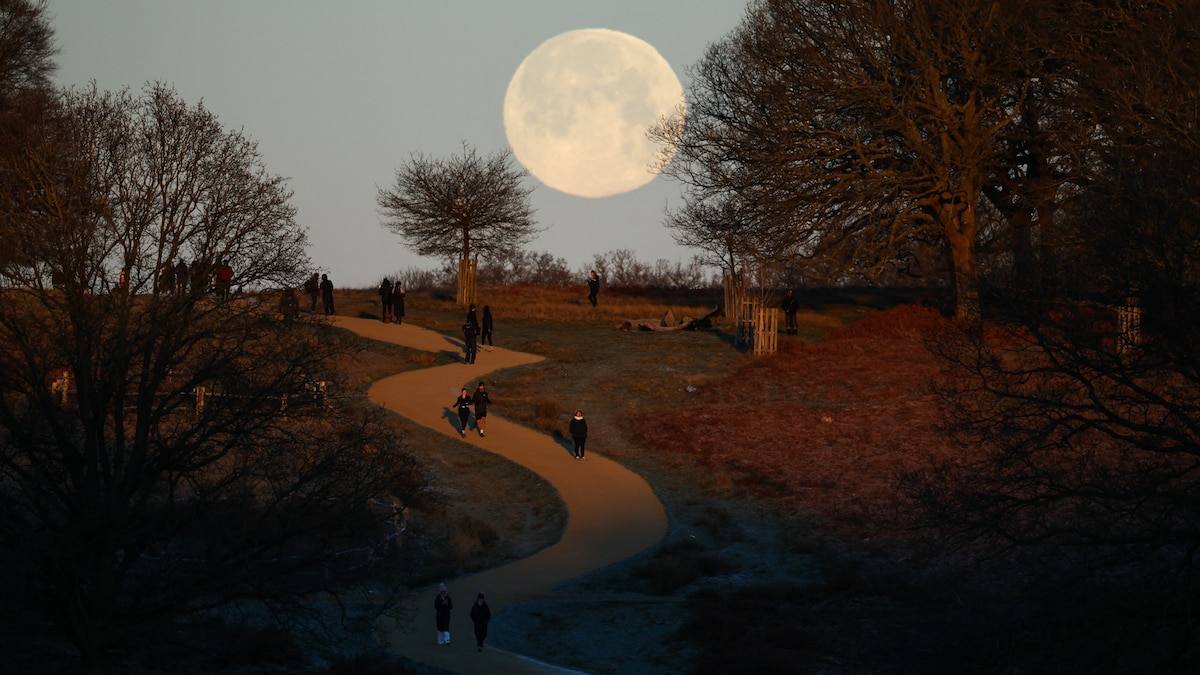
The upcoming lunar spectacle stands out because it coincides with a perigee approach, making the satellite appear larger and brighter than standard monthly phases. Astrologers and scientists tracking the event note that historical lunar naming conventions align with seasonal wildlife shifts, bringing remarkable visibility to night sky observers.
Additional reporting from National Geographic emphasizes that atmospheric clarity plays a critical role in how observers perceive the lunar disk. Clear skies allow stargazers to appreciate the subtle tonal variations across ancient impact craters and highland regions.
How Does the November 2026 Alignment Compare to Other Lunar Events?
Evaluating this celestial occurrence alongside previous lunar highlights reveals distinct differences in perigee distance and star cluster proximity. The table below outlines key comparative metrics for recent astronomical highlights.
| Lunar Event | Approximate Date | Key Visual Feature | Visibility Peak |
|---|---|---|---|
| November 2026 Supermoon | Late November 2026 | Pleiades Star Cluster Conjunction | Dusk to Dawn |
| October 2026 Hunter's Moon | Late October 2026 | Extended Twilight Illumination | Nighttime Hours |
| September 2026 Harvest Moon | Late September 2026 | Equinox Proximity Alignment | Evening Hours |
What Are the Best Viewing Strategies for Stargazers?
Securing an optimal view of the celestial display requires moving away from heavy urban light pollution and finding an elevated vantage point. Astronomy experts recommend allowing twenty minutes for night vision adaptation before attempting to photograph or study the lunar surface details.
While binoculars enhance surface crater visibility, the naked eye provides a magnificent panoramic perspective when the lunar orb rises above the eastern horizon.
Frequently Asked Questions About the Lunar Alignment
When is the peak time to watch the celestial event?
The peak viewing window occurs immediately after moonrise in the late afternoon or early evening hours, depending on your specific geographic time zone across North America.
Do I need telescope equipment to see the details?
Specialized equipment is entirely optional because the heightened lunar brightness and close proximity make the entire display easily visible to the unaided human eye.
Why is this lunar phase historically called a beaver moon?
Traditional North American and colonial folklore assigned seasonal names to monthly lunar phases based on animal behaviors and preparations for the upcoming winter months.
How does the full moon november 2026 astrology cycle influence viewing?
Astrological interpretations often focus on emotional reflection and energetic shifts, while astronomers concentrate strictly on orbital mechanics, perigee distances, and planetary positioning.
Where can I find reliable weather updates for stargazing?
Local meteorological services and specialized astronomy apps provide real-time cloud cover forecasts to help enthusiasts find clear skies for optimal observation conditions.
Image source: https://www.nationalgeographic.com/science/article/november-2026-supermoon
What impact will this Science & Future Tech development have over the next 12 months?
Reader poll (non-scientific). Share your perspective below or join the discussion in the comments.