
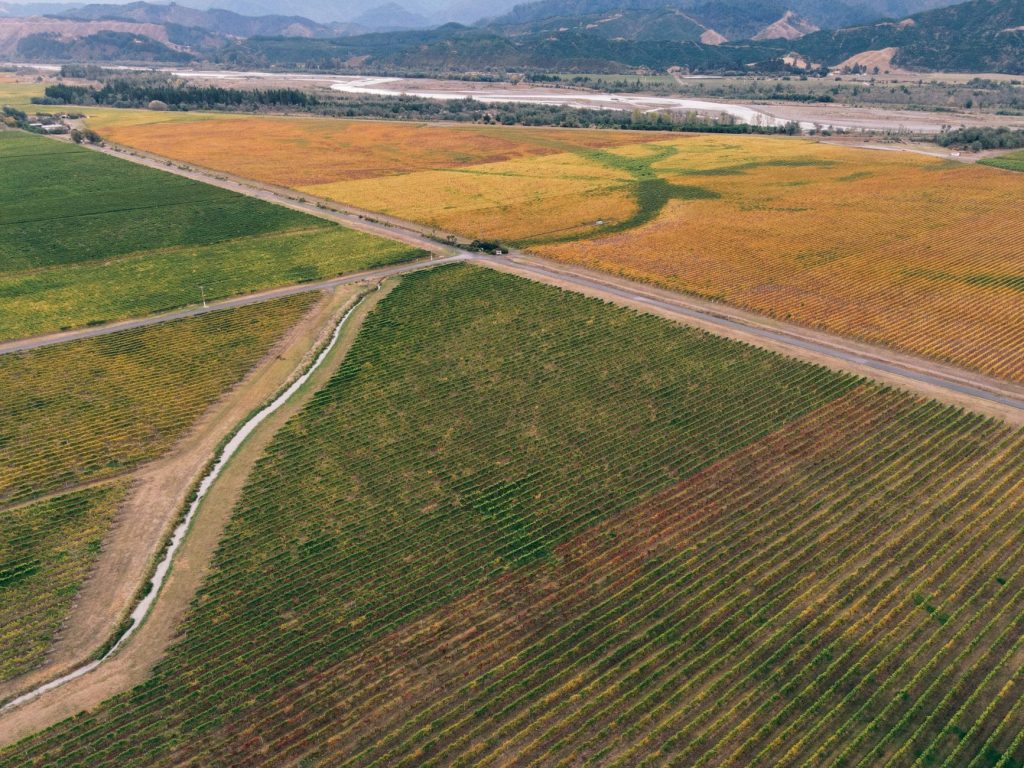
In today’s fast-evolving landscape, understanding Land Management Success is essential. Effective land management practices are transforming rural agricultural landscapes across the United States. In South Dakota, the Smiley family ranch demonstrates how modern strategies significantly boost plant and wildlife diversity. Consequently, these producers provide a blueprint for sustainable success in challenging semi-arid environments.
Land Management Success: Modernizing Land Management with Technology
Caden and Jori Smiley returned to their family ranch in 2016 to modernize operations. Initially, they utilized traditional grazing, which often caused uneven pressure on pastures. Therefore, they transitioned to rotational grazing systems to allow grasses essential recovery time. Furthermore, they adopted satellite-linked virtual fencing to manage herd movements with extreme precision. As a result, the ranch maintains healthier soil and robust vegetation coverage today. This shift in land management proves that technology can align with natural cycles to improve ecological health on a commercial scale.

Virtual fencing systems represent a significant innovation in current agricultural practices. For example, the Vence technology uses GPS collars that communicate directly with digital maps on tablets. If cattle approach a set boundary, they receive an auditory warning. Meanwhile, the cattle learn to retreat before any physical contact occurs. This process eliminates the labor-intensive requirement of building miles of traditional wire fencing. Additionally, it allows the Smileys to customize grazing cells based on immediate environmental conditions. Such data-driven land management ensures that cattle consume only what is necessary before moving to fresh forage.
The Ecological Impact of Strategic Land Management
Healthy grasslands rely heavily on adequate recovery periods between grazing cycles. When cattle remain in one area too long, they deplete the energy stored within plant roots. However, rotational grazing forces cattle to move before overgrazing damages the local ecosystem. Consequently, native plants gain the sunlight and moisture needed to rebuild deep, strong root systems. Deep roots are critical in the South Dakota plains because they improve water retention. Therefore, the overall landscape becomes much more resilient against seasonal droughts and extreme weather patterns.
Reviving Native Biodiversity
The return of diverse wildlife highlights the success of these improved techniques. Different vegetation heights across the ranch create a complex mosaic of various natural habitats. For instance, many ground-nesting birds now thrive in the taller grass allowed by controlled grazing. Furthermore, larger species like pronghorn and mule deer frequently utilize these protected areas for shelter and foraging. According to USDA conservation guidelines, this diversity is a primary indicator of a functioning, healthy ecosystem. By prioritizing habitat variation, the Smileys support agricultural production while actively fostering local wildlife populations. Effectively, this proves that profit and conservation can exist together.
Long-Term Benefits of Sustainable Practices
Ultimately, the move away from manual labor has revolutionized daily ranch operations. Building fences is often expensive and physically demanding, especially on difficult terrain. By automating boundary control, the couple saves substantial time and financial resources. Additionally, this allows them to focus on holistic strategies that benefit the soil. As demonstrated by industry leaders, sustainable decisions today guarantee productivity for the next generation. This comprehensive land management approach is a vital model for future ranchers looking to balance livestock health with environmental preservation efforts.
What impact will this Science & Future Tech development have over the next 12 months?
Reader poll (non-scientific). Share your perspective below or join the discussion in the comments.