
Stargazers and astronomy enthusiasts preparing for the next full moon can look forward to a rare celestial alignment as a brilliant supermoon glides past the famous Pleiades open star cluster, also known as the Seven Sisters. According to Forbes, this striking evening spectacle offers an exceptional viewing opportunity across the Southern Hemisphere and global night skies.
Key Points:
- The next full moon arrives as a prominent supermoon, appearing larger and brighter due to its close proximity to Earth.
- The lunar disk will visually pass remarkably close to the Pleiades star cluster, or Seven Sisters, during peak night hours.
- Stargazers can view the event with the naked eye, though binoculars will reveal the sparkling blue stars of the cluster much more clearly.
- Astronomers note that lunar conjunctions with bright open clusters provide ideal photography opportunities for amateur astrophotographers.
Last updated: November 24, 2026 UTC
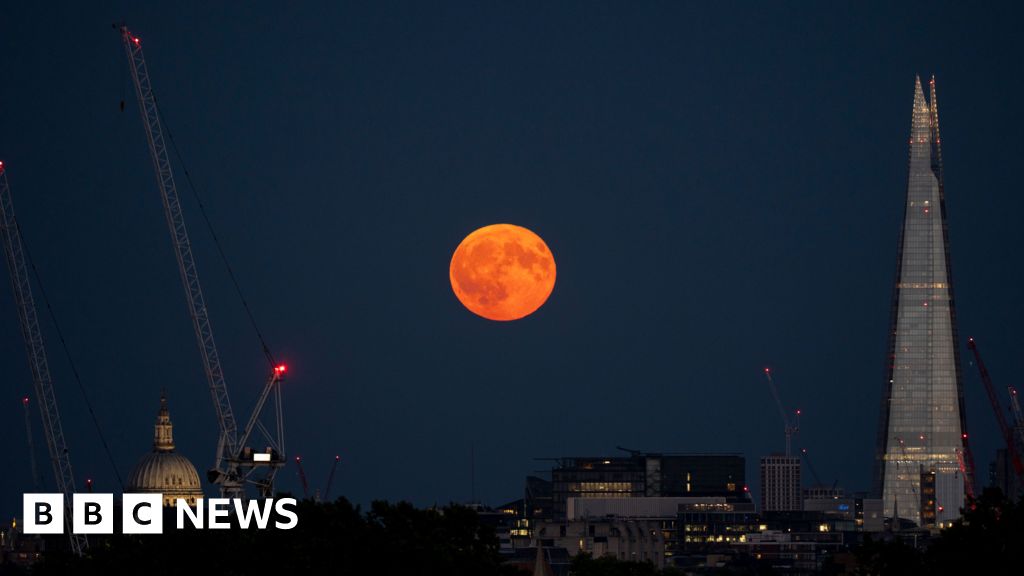
What Makes This Upcoming Lunar Conjunction Special?
The next full moon creates a breathtaking visual illusion as it sweeps past the Seven Sisters cluster, contrasting a blazing lunar surface with delicate, distant starlight. Observers looking up at the night sky will witness the moon positioned mere arcminutes away from some of the brightest young stars in our galactic neighborhood, making it one of the most aesthetically pleasing astronomical alignments of the season.
While full moons frequently outshine faint background stars, the sheer brightness and proximity of the Pleiades allow its core stars to remain visible, especially if observers use standard binoculars or small telescopes to temper the overwhelming lunar glare. Skywatchers in regional areas with minimal light pollution will enjoy the sharpest contrast between the lunar Maria and the electric-blue hues of the cluster.
How Can Stargazers Best View the Pleiades Star Cluster?
Finding the Pleiades alongside the next full moon requires looking toward the eastern horizon shortly after sunset as twilight gives way to full night. Because the moon will act as a convenient signpost in the night sky, amateur astronomers can easily locate the misty blue patch of the Seven Sisters glowing just above or beside the lunar limb.
Astronomical guides recommend stepping away from urban streetlights and allowing your eyes twenty minutes to dark-adapt for the best viewing experience. Photographers hoping to capture the event should mount their cameras on sturdy tripods, utilize telephoto lenses, and employ shorter shutter speeds to prevent the brilliant moonlight from washing out the delicate details of the star cluster.
What Are the Key Technical Differences Between Standard Moons and Supermoons?
To better understand the scale of the next full moon, a detailed comparison highlights how orbital mechanics alter our monthly lunar observations and apparent sky brightness.
| Lunar Phase Metric | Standard Full Moon | Supermoon Event |
|---|---|---|
| Distance from Earth | Approx. 384,400 km | Approx. 356,500 km |
| Apparent Size Increase | Baseline (100%) | Up to 14% larger |
| Brightness Boost | Baseline (100%) | Up to 30% brighter |
| Orbital Position | Average Apogee/Perigee | Extreme Perigee alignment |
Frequently Asked Questions About the Next Full Moon
When is the next full moon visible in the night sky?
The next full moon peaks on its designated calendar date this week, with prime viewing hours occurring immediately after moonrise as it ascends above the eastern horizon across global viewing zones.
Do I need a telescope to see the Seven Sisters with the moon?
You do not need a telescope to enjoy the event, as the next full moon and the brightest stars of the Pleiades cluster are easily visible to the naked eye under clear night skies.
Why does the moon appear larger during a supermoon?
The moon appears noticeably larger because its elliptical orbit brings it closer to Earth at perigee, matching the full phase to create a supermoon phenomenon.
How long will the lunar conjunction last?
The apparent close passage of the moon and the star cluster lasts throughout the entire night, tracking slowly across the sky from east to west until morning dawn.
Image source: https://www.bbc.com/news/videos/cw7v27n5d38go
What impact will this Science & Future Tech development have over the next 12 months?
Reader poll (non-scientific). Share your perspective below or join the discussion in the comments.