
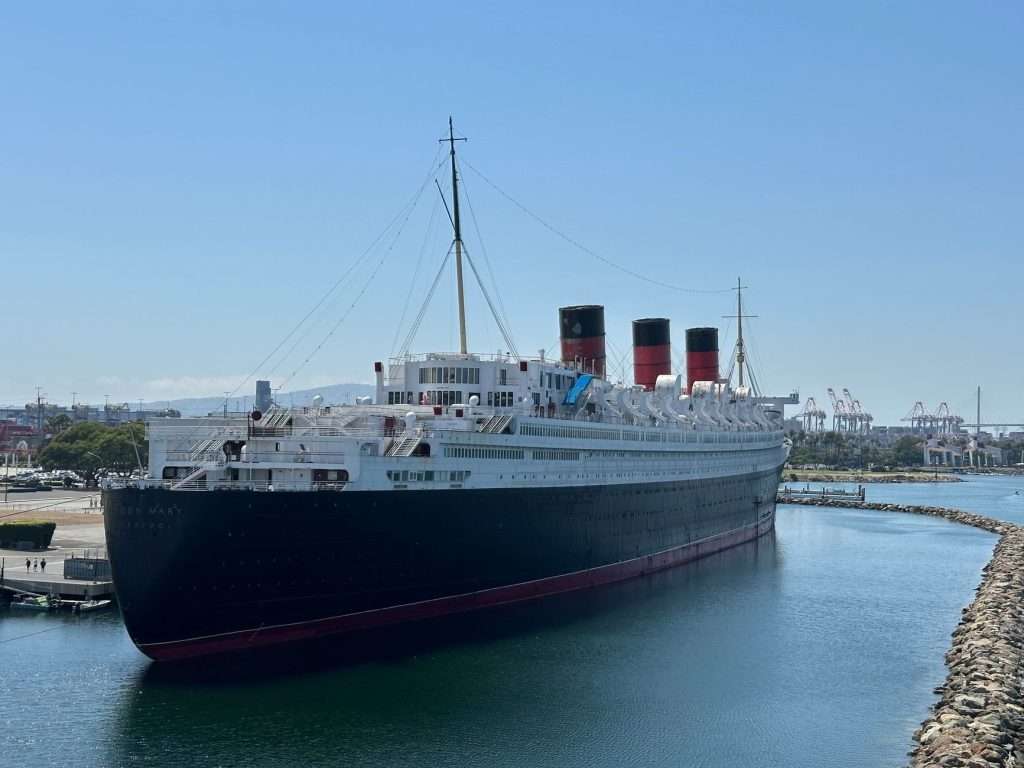
In today’s fast-evolving landscape, understanding United States Sinks is essential. The historic SS United States sank off the coast of Destin, Florida, to become the world’s largest artificial reef, offering a new underwater habitat for marine life and a destination for global divers. Preservation struggles affected maritime historians and local tourism for decades before this dramatic environmental transformation occurred.
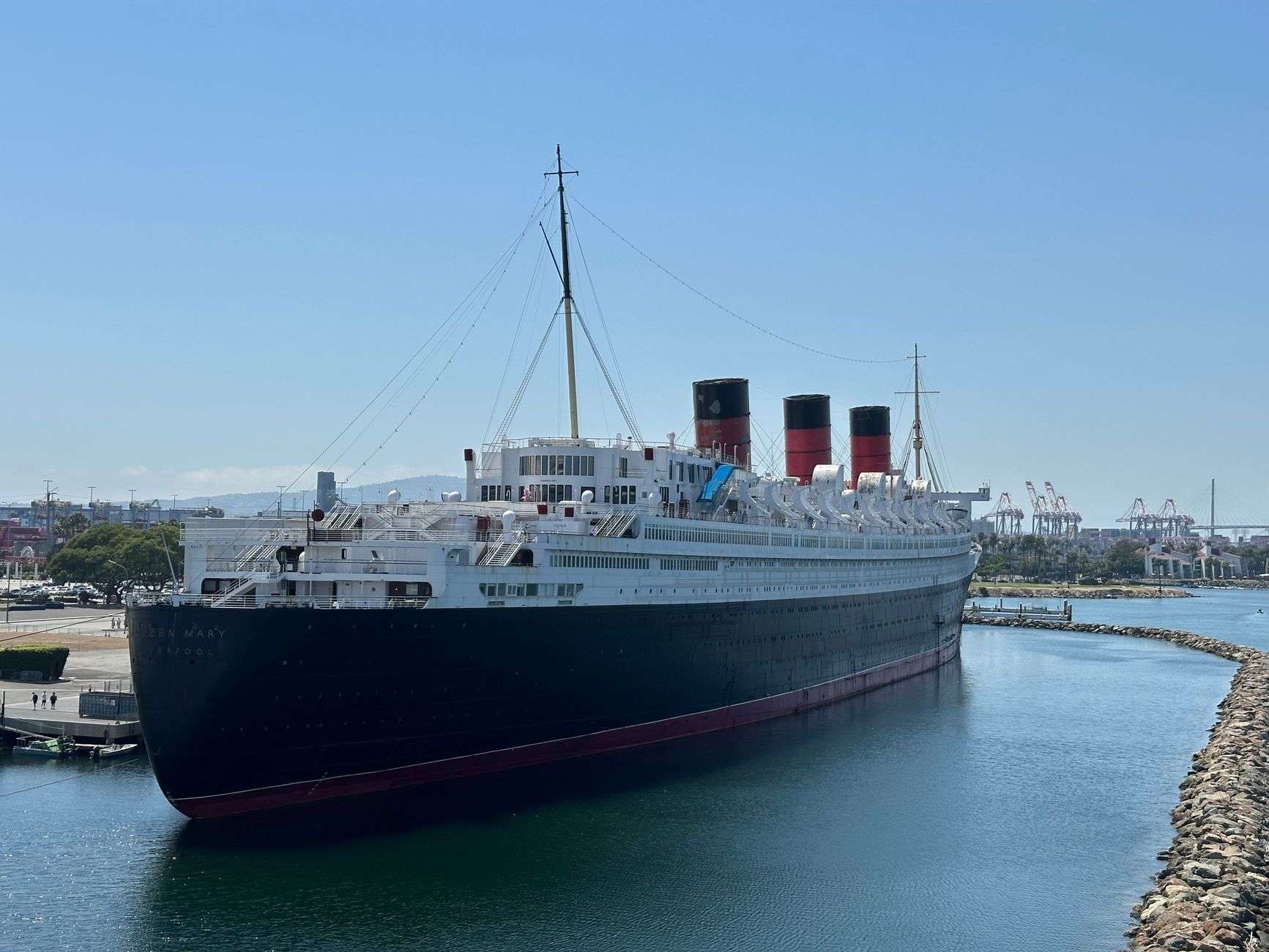
Many observers wonder how this massive transition unfolded so quickly. Workers hollowed out the vessel and cut strategic openings into its steel hull before deployment. Therefore, the ship filled with water and sank upright to a depth of approximately 180 feet in the Gulf of Mexico.
United States Sinks: How did the SS United States become a reef?
The nearly 1,000-foot American-made vessel was deployed off the Florida coast on a Wednesday afternoon and settled onto the seafloor by nightfall. Launched originally in 1952, the iconic ocean liner set a legendary transatlantic speed record during its maiden voyage that still remains unbroken today.
During its operational peak, the vessel completed passenger sailings across the Atlantic for 17 years before retiring in 1969. For decades afterward, the ship sat docked in Philadelphia as preservationists fought to secure a permanent future. Rising maintenance costs, including port authorities raising daily dockage fees to $1,700 in 2021, ultimately forced the non-profit SS United States Conservancy to abandon land-based restoration plans.
Who is affected by this sinking?
Marine life in the Gulf of Mexico and global diving enthusiasts are directly impacted by the deployment of this massive new structure. Local officials in Okaloosa County also experience a direct shift from decades of land-based preservation efforts toward an exciting underwater memorial model.
According to The Guardian, Okaloosa County purchased the ocean liner for $1 million in 2024 to convert it into a recreational diving attraction. Susan Gibbs, president and co-founder of the conservancy and granddaughter of designer William Francis Gibbs, noted that this reefing approach honors the storied history of the ship.
What does the SS United States mean for readers?
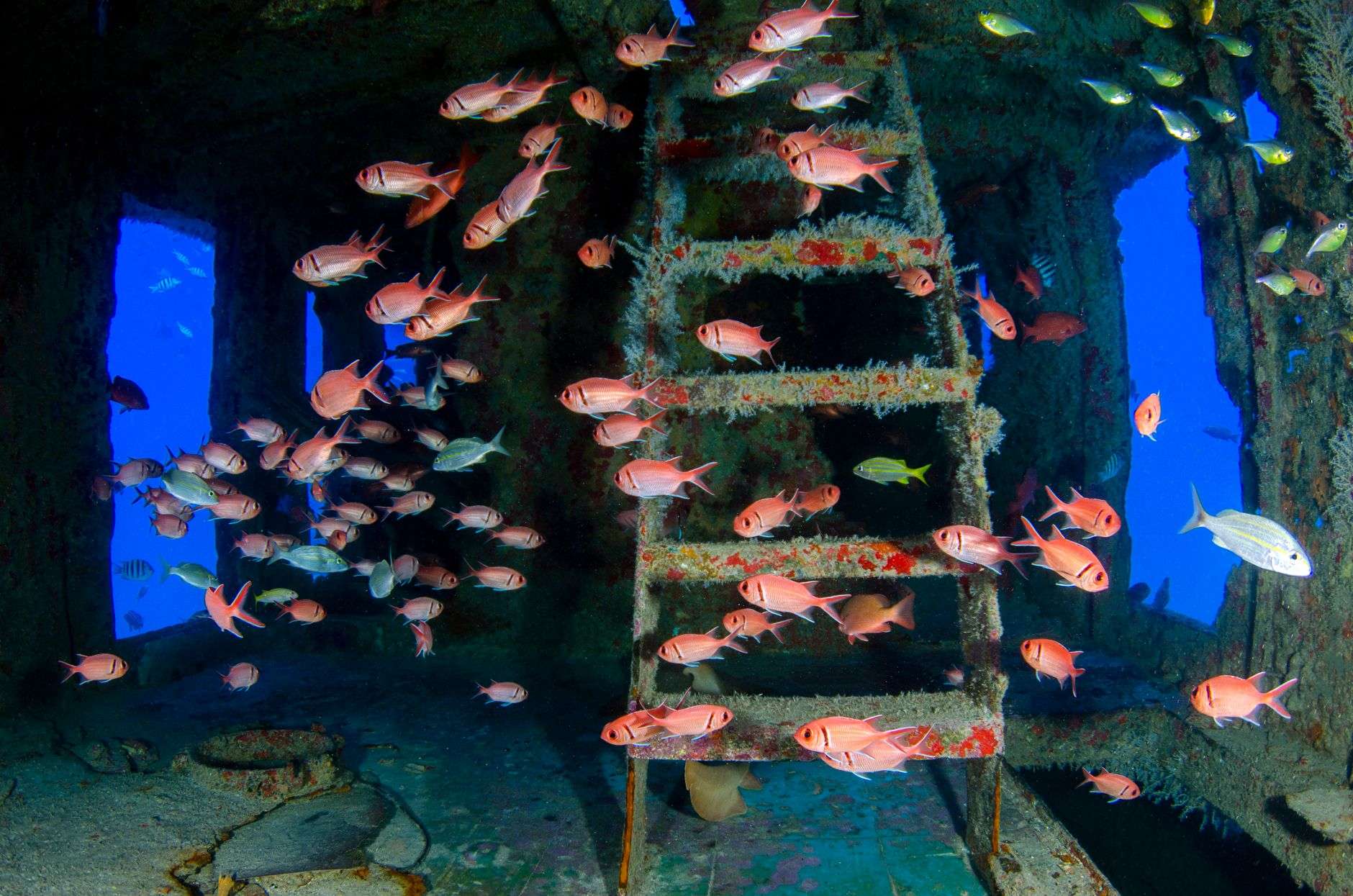
Diving enthusiasts and local tourism operators face a brand-new underwater exploration site that will host a diverse array of marine species. Biologists expect the massive steel structure to attract red snapper, grouper, amberjack, mackerel, and tuna as the ecosystem develops around the decks sitting 55 feet below the surface.
Furthermore, analyzing this historical transition highlights a shift from commercial passenger travel to environmental repurposing. While preservationists lost their long-running battle to keep the superstructure intact above water, the reefing project secures a permanent physical footprint for the historic ship.
| Project Phase | Details |
|---|---|
| Purchase Year | 2024 |
| Purchase Cost | $1 million |
| Sinking Date | Wednesday |
| Final Depth | 180 feet |
What is still unknown about the project?
The exact long-term economic impact on Okaloosa County tourism remains to be fully measured as diving operations begin at the site. Biologists will also need time to observe which specific marine species permanently colonize the upper decks resting 55 feet below the surface.
Officials have not yet finalized all details regarding the accompanying land-based museum and visitor experience meant to supplement the underwater site. Observers will monitor how effectively the combined museum and reef tourist attractions draw visitors to the region over coming years. For related corporate updates and background checks on similar major initiatives, readers can also review corporate compliance protocols as well as general industry announcements. In addition, managing digital distractions during major news cycles is detailed in this habit management guide. Readers can also explore grid resilience insights and augmented reality ergonomics.
Frequently asked questions
What caused the SS United States to sink?
Workers deliberately deployed and sank the vessel after cutting specific openings into its hull to allow water to flood the interior chambers progressively.
How deep is the sunken vessel now?
The ship rests on the seafloor at a depth of approximately 180 feet, with its upper decks positioned about 55 feet below the ocean surface.
Who bought the historic ocean liner?
Florida’s Okaloosa County purchased the ocean liner for $1 million in 2024 with the explicit intention of transforming it into an artificial reef.
What marine species will inhabit the reef?
Biologists expect red snapper, grouper, amberjack, mackerel, and tuna to colonize the massive steel structure over the coming years.
What impact will this Science & Future Tech development have over the next 12 months?
Reader poll (non-scientific). Share your perspective below or join the discussion in the comments.