
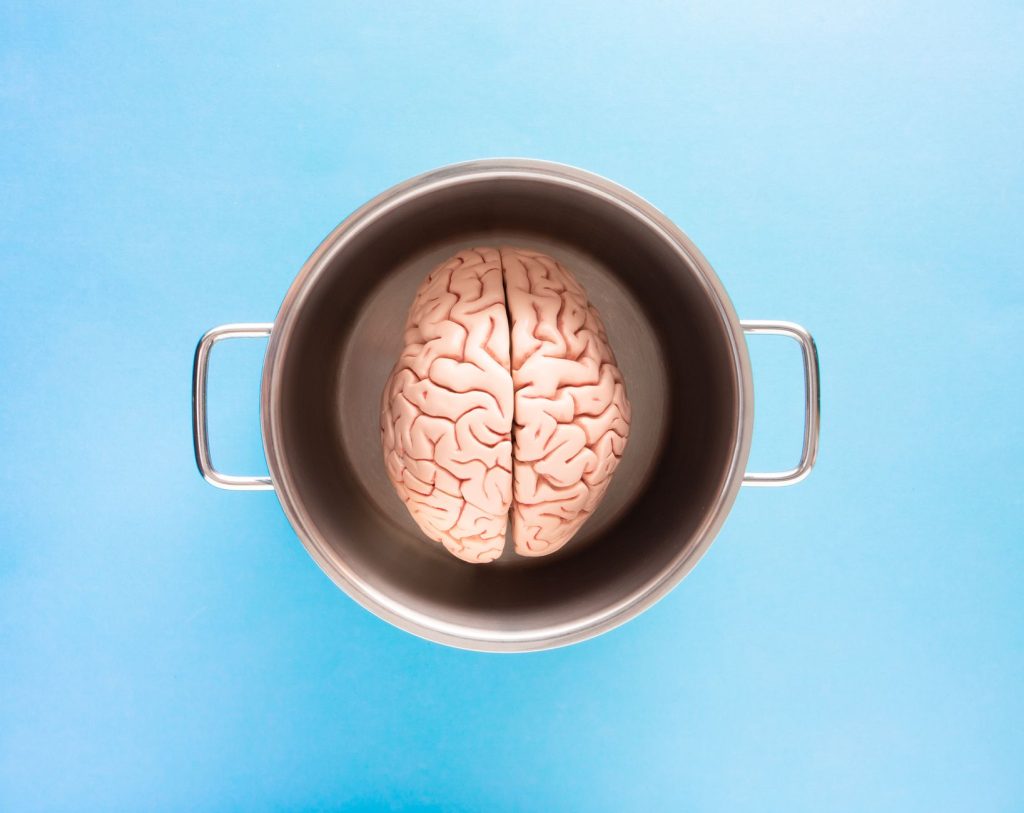
In today’s fast-evolving landscape, understanding Neuroscience Emotion is essential. Emotions are not hardwired biological responses with universal physical signatures. Instead, they are constructed predictions generated by the brain based on past experiences. Exploring the neuroscience of emotion reveals that human brains function as anticipatory systems (Peter Attia MD, 2024).
Neuroscience Emotion: The Neuroscience of Emotion: Challenging Objective State Models
Traditional frameworks view emotions as objective, biologically distinct states. However, the theory of constructed emotion demonstrates that universal physiological measurements do not exist. Therefore, Dr. Lisa Feldman Barrett established this paradigm shift after early research failed to reproduce conventional findings (Peter Attia MD, 2024).
Scientists debated the objective nature of emotional states for over a century without uncovering consistent markers. Consequently, modern neuroscience prioritizes individual variation over population averages. Human brains construct unique internal representations in real time rather than triggering fixed reflex loops (Peter Attia MD, 2024). For related context, see this wearable biometric tracking report.
How the Neuroscience of Emotion Explains Predictive Brain Functions
The human brain operates as an anticipatory organ that utilizes past memories to shape current perceptions. Rather than reacting blindly to external stimuli, this predictive processing mechanism actively manages energy regulation. This process, known as allostasis, keeps the physical body balanced (Peter Attia MD, 2024).
Chronic stress, persistent uncertainty, and adverse childhood experiences disrupt metabolic regulation, producing profound physiological consequences over time. Furthermore, human relationships help stabilize these nervous systems. Social isolation or the loss of a loved one can inflict intense physical distress because of this interconnected biology (Peter Attia MD, 2024). Similar public health strains appear in social media mental health litigation studies.

Can the Neuroscience of Emotion Help Reshape Predictive Models?
Deliberate practice and exposure to novel experiences actively reshape the brain’s predictive models. Individuals can alter how they think, feel, and respond to environmental stressors. Recognizing that emotions are built constructs gives people practical agency over their psychological and physical well-being (Peter Attia MD, 2024).
To better understand how these physiological adaptations occur, researchers often map out foundational metrics. In addition, broader biological tracking models can be explored via blood glucose forecasting research. Additional data regarding metabolic shifts can also be verified via medical resources like the National Center for Biotechnology Information.
| Scientific Concept | Conventional Assumption | Constructed Emotion Model | Source & Date |
|---|---|---|---|
| Emotional Origin | Hardwired biological responses | Predicted constructs from past experience | Peter Attia MD, 2024 |
| Brain Function | Reactive stimulus processing | Predictive system managing allostasis | Peter Attia MD, 2024 |
| Diagnostic Markers | Universal physiological signatures | High individual variation, no fixed measures | Peter Attia MD, 2024 |
What Does the Neuroscience of Emotion Mean for Daily Life?
Understanding that the brain constructs emotions through allostasis means individuals can consciously alter their inputs. By improving social environments, people can support better mental health. However, the precise neural mechanisms by which specific past memories map onto immediate physical sensations remain open areas of active investigation (Peter Attia MD, 2024).
Frequently Asked Questions
What is the theory of constructed emotion?
It is a scientific model proposing that emotions are built by the brain using past experiences and predictions. Therefore, they are not hardwired biological reflex loops (Peter Attia MD, 2024).
How does the brain regulate metabolism?
The brain uses a predictive process called allostasis. This mechanism continuously anticipates and balances the body’s energy needs (Peter Attia MD, 2024).
Can individuals change how they feel?
Yes, through deliberate practice and novel experiences, people can reshape their predictive models to alter emotional responses (Peter Attia MD, 2024).
What impact will this Health & Biotech development have over the next 12 months?
Reader poll (non-scientific). Share your perspective below or join the discussion in the comments.