
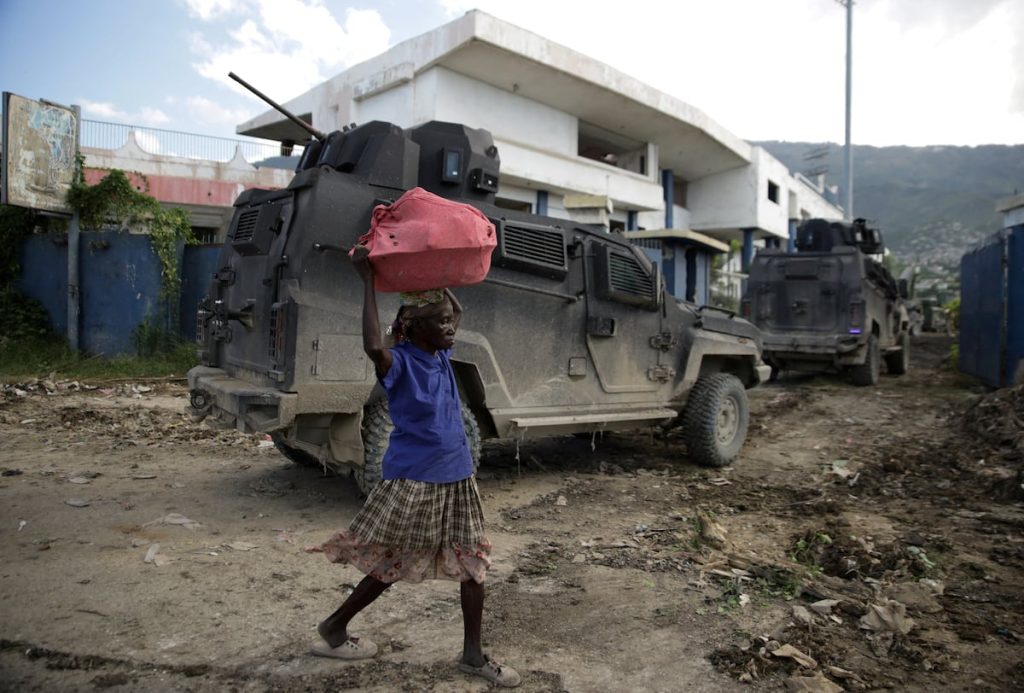
Haiti armed forces face deep security chaos as multiple foreign and local groups operate without clear rules. This crisis puts the safety of local citizens at great risk. However, foreign aid has a long and troubled history in the Caribbean nation. Over the last fifty years, the country has hosted many international missions. Therefore, many citizens hope for real safety, while others fear more foreign interference. For example, recent events show that poor planning leads to dangerous confusion on the ground.

Recently, two thousand Salvadoran soldiers arrived to rescue four of their peers from a UN mission. Meanwhile, President Nayib Bukele vowed to save Haiti just like he did in his home country. Specifically, this bold promise sparked worry among human rights groups and local activists. Although Prime Minister Alix Didier Fils-Aimé welcomed the foreign troops, the secret deal lacks clear terms. Consequently, no one knows who truly oversees these armed missions or how long they will stay on the island.
The Problem With Haiti Armed Forces
Currently, five distinct groups operate in the nation without proper communication. These include the Haitian National Police, the local military, private security groups, UN forces, and the new Salvadoran contingent. As a result, experts compare the situation to an orchestra without a conductor. If no one leads the group, accountability vanishes when mistakes happen. Furthermore, civilians struggle to know which force controls their local streets.
Meanwhile, Prime Minister Fils-Aimé tries to build a new office to coordinate all security efforts. This new group aims to stop friendly fire and prevent troops from stepping on each other’s toes. Additionally, analysts from the International Crisis Group support this organizational step. However, public trust in the local government remains very low. Many citizens actually cheer for the foreign leader instead of their own prime minister.
Impact on Local Citizens
The arrival of foreign troops changes the daily lives of everyday people in Port-au-Prince. For instance, recent protests show deep frustration over state abandonment and rising violence. Specifically, experts fear that gangs might use innocent locals as human shields during raids. Therefore, leaders must protect civilian lives instead of chasing quick symbolic wins for social media. Read more about regional updates on Modween security updates and check out global reports at BBC World News for context.
Moreover, Amnesty International warns that harsh anti-gang tactics might worsen the core problem. Opacity surrounding foreign troop movements creates a distorting mirror for the public. Consequently, no one knows who is truly responsible for specific military actions. You can also explore expert analysis on Modween politics to stay fully informed. Ultimately, true peace requires open communication and strict respect for human rights across all active groups.
For in-depth context, see Social Security Theft: Federal Prosecution Explained. For in-depth context, see Artificial Intelligence Deep Dives.
Frequently Asked Questions
What are the main developments regarding Haiti armed forces?
Recent updates confirm key advancements and strategic moves surrounding Haiti armed forces, impacting industry standards and market adoption.
Why is Haiti armed forces significant for the market right now?
Analysts highlight that Haiti armed forces establishes a new benchmark for efficiency and security, driving broader institutional and consumer interest.
What should users expect next from Haiti armed forces?
Upcoming milestones point toward accelerated rollout schedules, feature enhancements, and continued integration across modern workflows.
What impact will this Guides & Explainers development have over the next 12 months?
Reader poll (non-scientific). Share your perspective below or join the discussion in the comments.