
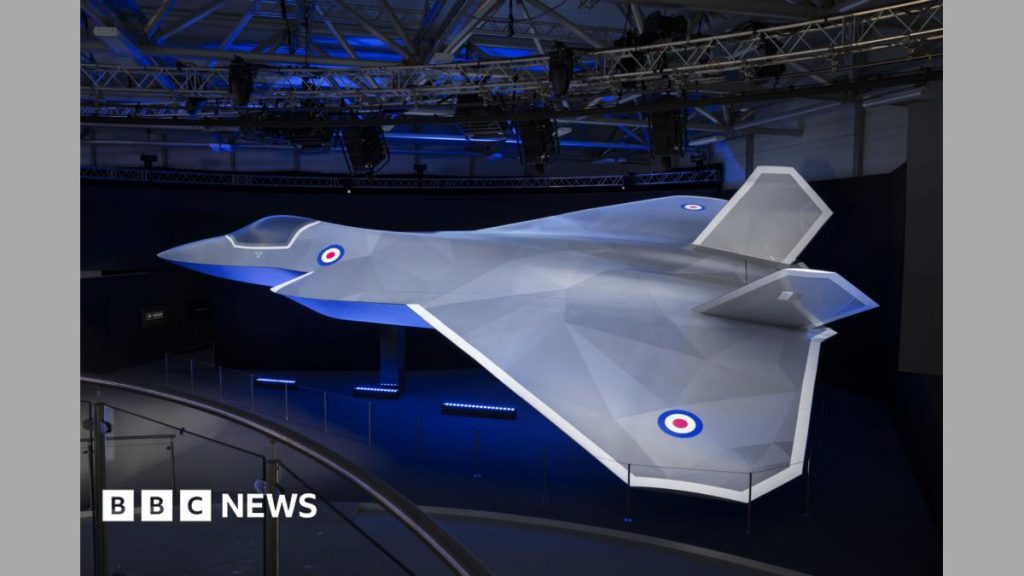
The next generation of fighter aircraft built for the Royal Air Force could serve as the final combat plane to feature a human pilot in the cockpit. According to a BBC report, senior military leaders recently confirmed that rapid shifts in autonomous technology will soon reshape military aviation across the United Kingdom. Air Chief Marshal Sir Richard Knighton explained that future defense strategies must embrace uncrewed systems to maintain operational superiority on the global stage. As a result, the military is now accelerating plans to shift away from traditional pilot-centered designs.
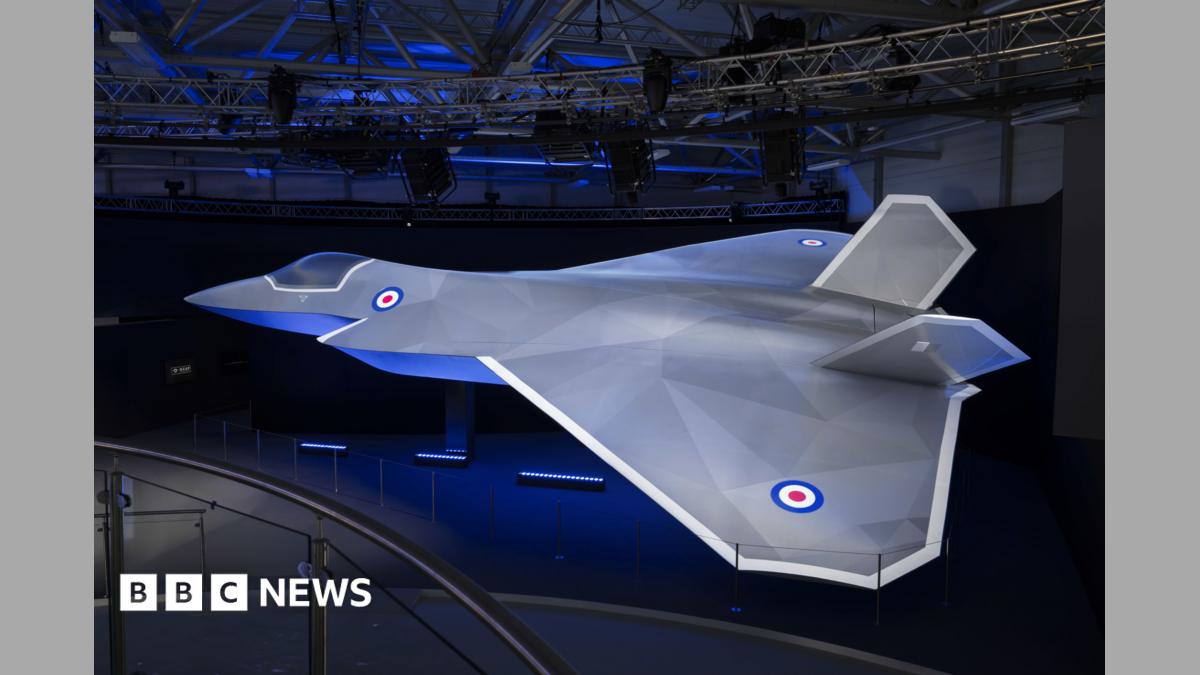
Military planners must adapt to modern threats that move faster than human reaction times. Artificial intelligence and uncrewed technology now allow aerial vehicles to perform complex combat maneuvers without risking human lives. Consequently, defense budgets are shifting toward smart systems that reduce personnel risks while increasing mission efficiency. Experts at Modween Tech note that autonomous software upgrades will define the next decade of defense contracting. Therefore, engineers are prioritizing systems that handle high-speed data processing and real-time navigation.
Why Are Officials Rethinking Modern Fighter Aircraft?
Defense leaders currently face pressure to develop assets that survive in high-risk environments. Traditional jets have clear physical limits due to the physiological strain placed on human pilots during sharp maneuvers. Furthermore, uncrewed systems offer a tactical advantage by remaining in the air longer than their human-operated counterparts. Because of these factors, air forces globally are exploring ways to reduce the cockpit footprint. This shift represents a fundamental change in how nations view aerial sovereignty and force projection in a digital age.
How Does This Impact Future Defense Programs?
Defense contractors are currently racing to design modular systems that can transition easily between crewed and uncrewed modes. For example, the Global Combat Air Programme aims to deliver advanced stealth capabilities by the middle of the next decade. Meanwhile, military analysts suggest that training costs will drop significantly once simulators replace traditional flight hours. Readers interested in broader aviation updates can check our guide on modern aviation software for deeper insights. These platforms must maintain peak performance while meeting strict security standards.
What Lies Ahead for Military Pilots?
Human pilots will not vanish overnight from active squadrons. Instead, their roles will evolve to command groups of autonomous drones from secure ground stations or nearby command aircraft. Furthermore, engineers must solve critical cybersecurity challenges before fully autonomous jets take over sensitive airspace. Industry leaders expect the first major test flights of these hybrid systems to occur within the next few years. Ultimately, defense priorities will center on software reliability and secure communication networks to ensure that control remains precise and reliable under pressure.
Image source: https://www.bbc.co.uk/news/articles/c68x08nzpk9no
Frequently Asked Questions
Why Are Officials Rethinking Modern Fighter Aircraft?
Defense leaders currently face pressure to develop assets that survive in high-risk environments. Traditional jets have clear physical limits due to the physiological strain placed on human pilots during sharp maneuvers. Furthermore, uncrewed systems offer a tactical advantage by remaining in the ai
How Does This Impact Future Defense Programs?
Defense contractors are currently racing to design modular systems that can transition easily between crewed and uncrewed modes. For example, the Global Combat Air Programme aims to deliver advanced stealth capabilities by the middle of the next decade. Meanwhile, military analysts suggest that trai
What Lies Ahead for Military Pilots?
Human pilots will not vanish overnight from active squadrons. Instead, their roles will evolve to command groups of autonomous drones from secure ground stations or nearby command aircraft. Furthermore, engineers must solve critical cybersecurity challenges before fully autonomous jets take over sen
What impact will this Guides & Explainers development have over the next 12 months?
Reader poll (non-scientific). Share your perspective below or join the discussion in the comments.