
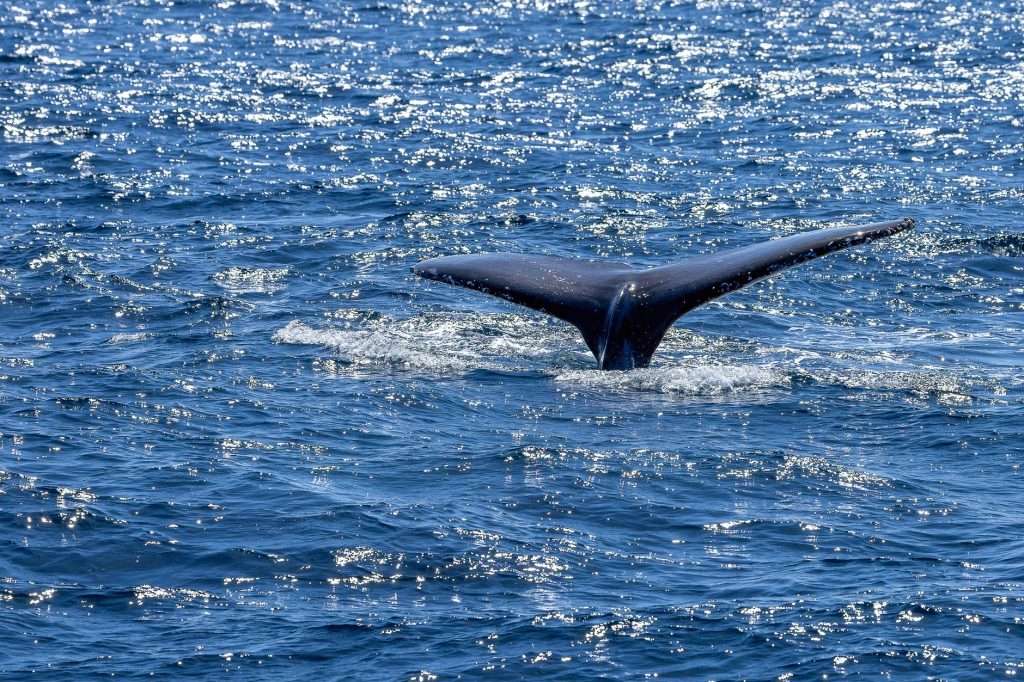
In today’s fast-evolving landscape, understanding Humpback Whale Spotted is essential. A humpback whale Hudson River appearance was observed on Thursday, creating an immediate social media reaction and renewing concerns over marine safety. This rare urban appearance directly affects local commuters, recreational boaters, and wildlife monitors tracking the shifting migration patterns of large cetaceans in busy metropolitan waterways. Marine habitats face continuous changes as species adapt to human-dominated environments.
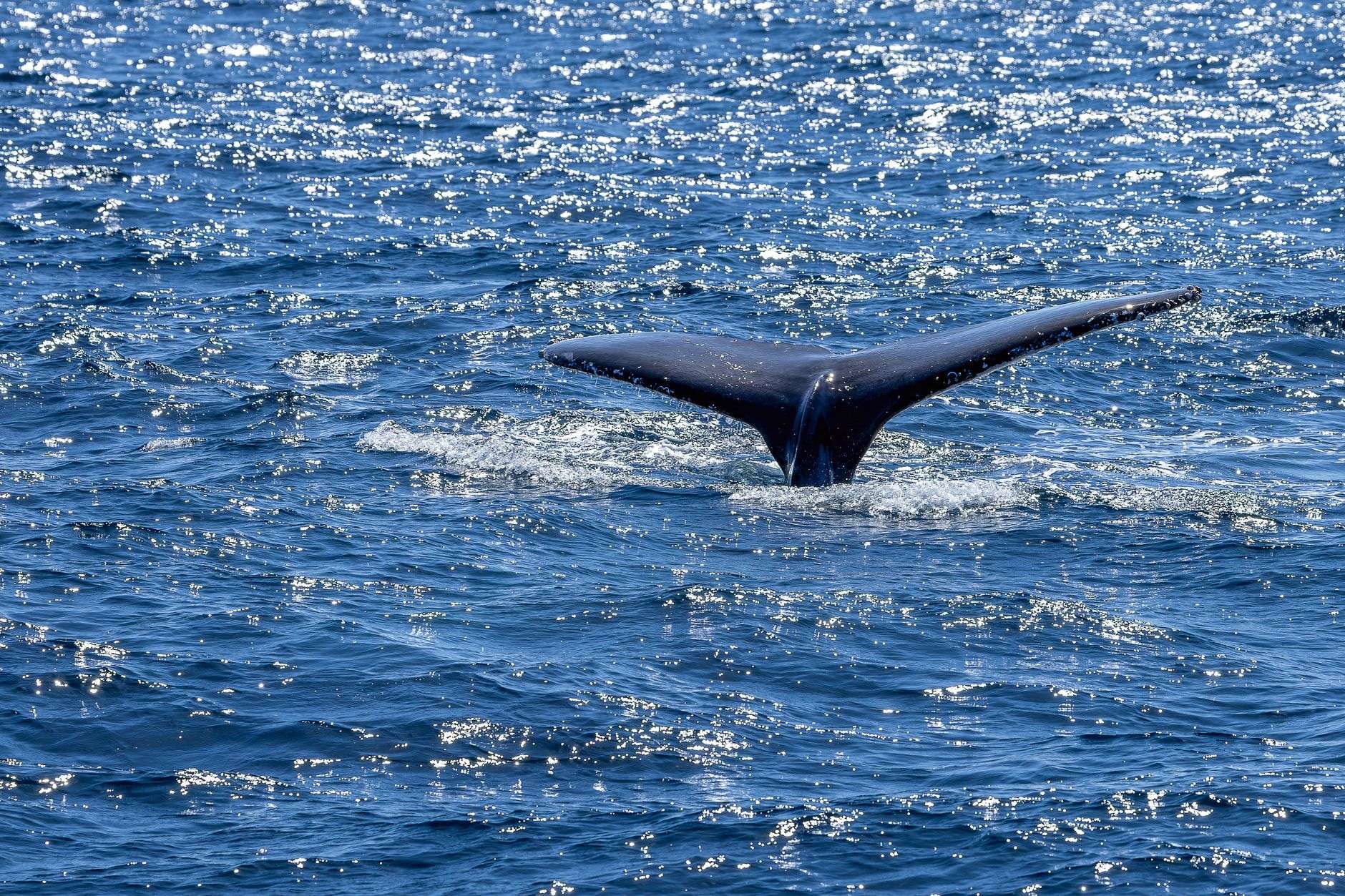
Humpback Whale Spotted: What changed regarding the humpback whale Hudson River event?
Marine mammal observers documented a humpback whale rolling and spouting in the river during Thursday morning hours. Sightings of this specific marine species within metropolitan New York waters have shifted from historical anomalies into frequent occurrences over recent years, according to local tracking organizations reported by The Guardian. Furthermore, experts note that urban development influences animal behavior significantly.
Historical data shows a clear upward trend in regional sightings. Therefore, researchers always monitor these coastal movements closely to ensure public awareness and animal protection.
Who is affected by this humpback whale Hudson River sighting?
Commercial shipping operators, recreational vessel captains, and local wildlife conservation groups face immediate operational adjustments following the mammal’s entry into the narrow river channel. Increased marine traffic creates significant collision hazards for the animal, mirroring urban wildlife conflicts documented across major shipping lanes globally. Safety systems and monitoring tools play a crucial role in preventing accidents.
In addition, local authorities must coordinate with environmental agencies. Consequently, vessel speeds are often restricted when large marine animals are spotted nearby.
What does it mean for readers and conservationists?
For residents and local observers, these coastal marine events demand greater awareness of urban wildlife guidelines and reporting protocols. Analysis of historical sighting metrics indicates that public reporting plays a vital role in helping citizen science networks track individual animals and assess regional population health.
Moreover, local groups like environmental watch networks help coordinate responses to protect migrating species. Global health organizations also study how urban stress impacts wildlife ecosystems.
| Observation Metric | Historical Context | Recent Status |
|---|---|---|
| Sighting Frequency | Once rare | Increasingly common |
| Annual Sightings | Low baseline | 272 documented in 2018 |
| Primary Hazard | Minimal tracking | Busy commercial waterways |
What is still unknown about the humpback whale Hudson River visit?
Researchers have not yet determined the biological sex of the animal or whether it entered the estuary system alone or alongside other cetaceans. Furthermore, experts lack definitive data regarding how long the mammal will remain within the river before returning to open ocean habitats.
Scientists rely on acoustic monitoring and visual trackers to study these events. However, unpredictable movement patterns make long-term forecasting difficult.
Frequently asked questions
How large can these marine mammals grow?
Fully grown adult males of this species can reach lengths of up to 48 feet and may weigh as much as 40 tons, presenting massive physical proportions.
Are these animal appearances increasing locally?
Documented encounters within regional New York waters have risen notably over recent years, transforming isolated historical sightings into recurring seasonal events for local observers.
What primary hazards do the animals face?
Busy commercial shipping lanes and dense maritime traffic create severe collision risks, often compared by experts to wildlife hazards encountered on high-speed roadways.
How can citizens report sightings safely?
Observers should maintain a safe distance and contact local marine rescue organizations or official wildlife hotlines immediately.
Why do cetaceans enter narrow estuaries?
Animals often follow prey populations such as menhaden into coastal rivers, driven by natural foraging instincts despite urban congestion.
What impact will this World News development have over the next 12 months?
Reader poll (non-scientific). Share your perspective below or join the discussion in the comments.