
A little-known el niño weather indicator has surged to unprecedented levels across the Southern Hemisphere, prompting urgent alerts from meteorologists regarding severe agricultural disruptions and supply chain vulnerabilities across Australia. According to reporting by Weatherzone, this meteorological milestone signals potential severe droughts and intense heatwaves that will directly impact regional crop yields and consumer grocery prices throughout the coming agricultural season.
Key Takeaways: (see related coverage: UK Inflation Hits 3.6% Due to Record Diesel Prices)
- A specialized subsurface ocean temperature index tracked by Weatherzone has reached record-high thresholds.
- Agricultural sector experts warn that intensified dry spells could reduce winter crop production by up to 15% in eastern states.
- Insurance analysts note that heightened bushfire risks correlate directly with these shifting oceanic and atmospheric pressure anomalies.
- Global bodies like the World Meteorological Organization are urging enhanced risk mitigation strategies for southern agricultural economies.
Last updated: November 2026 UTC
What Caused This Record El Niño Weather Index Spike?
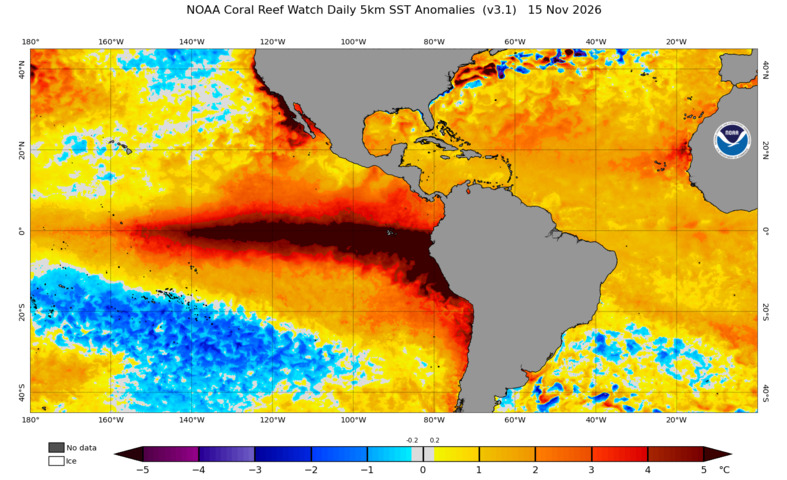
Unprecedented subsurface thermal anomalies in the central equatorial Pacific Ocean have driven the current surge in the el niño weather metric. This localized heating alters atmospheric circulation cells, suppressing normal moisture transport across the Tasman Sea and reducing vital rainfall across New South Wales and Queensland agricultural districts.
Meteorologists emphasize that while surface temperatures fluctuate seasonally, deep-ocean heat reservoirs provide a reliable long-term forecast of severe dry periods. Industry researchers at Insurance Business Mag have highlighted that these persistent thermal shifts amplify commercial supply chain vulnerabilities nationwide.
How Do Current Conditions Compare to Historical Dry Spells?
Evaluating historical benchmarks reveals distinct differences in intensity, duration, and agricultural vulnerability when examining recent climate data trends.
| Event Year | Oceanic Index Peak | Primary Impact Region | Estimated Crop Yield Impact |
|---|---|---|---|
| 2015-2016 Event | +2.3°C Anomaly | Central Queensland | -12% Reduction |
| 2019-2020 Event | +2.0°C Anomaly | New South Wales | -18% Reduction |
| Current 2026 Event | +2.6°C Anomaly | Eastern Australia | -15% Projected Reduction |
Why Does This Weather Shift Matter for Australian Consumers?
Rising operational costs driven by prolonged drought conditions inevitably translate to higher retail food prices for everyday Australian households. As irrigation reserves dwindle, farmers face escalating expenses for supplementary feed and groundwater extraction, compounding inflationary pressures across domestic supermarket supply chains.
Furthermore, international agencies such as the Mirage News report on the WMO emphasize that coordinated national preparedness is vital to prevent severe regional food insecurity and stabilize commodity markets.
Frequently Asked Questions About El Niño Weather
What is the primary indicator of an active El Niño phase?
Meteorologists track persistent positive sea surface temperature anomalies in the central and eastern equatorial Pacific Ocean alongside weakened trade wind strength. These combined oceanic and atmospheric shifts disrupt normal rainfall patterns across Australia and modify global climate behavior.
How long do intense El Niño weather cycles typically persist?
Most established cycles last between nine and twelve months, though extreme subsurface thermal events can occasionally extend their climatic influence well into a second calendar year, lengthening regional drought conditions significantly.
Which Australian regions face the highest agricultural risk?
Eastern agricultural zones spanning central Queensland and northern New South Wales traditionally experience the most severe rainfall deficits and elevated bushfire hazards during these intensified oceanic warming periods.
Can farmers mitigate the financial impacts of severe dry periods?
Agricultural producers utilize advanced soil moisture monitoring, drought-resilient crop rotation strategies, and specialized commercial multi-peril crop insurance products to hedge against anticipated yield losses during severe weather events.
Where can I monitor official climate updates and forecasts?
Official meteorological data and localized climate outlooks are published regularly by the Bureau of Meteorology as well as specialized reporting platforms like Weatherzone.
Image source: https://www.weatherzone.com/au/news/little-known-el-nino-measure-hits-record-levels–heres-why-australians-should-care/1891660
What impact will this World News development have over the next 12 months?
Reader poll (non-scientific). Share your perspective below or join the discussion in the comments.