
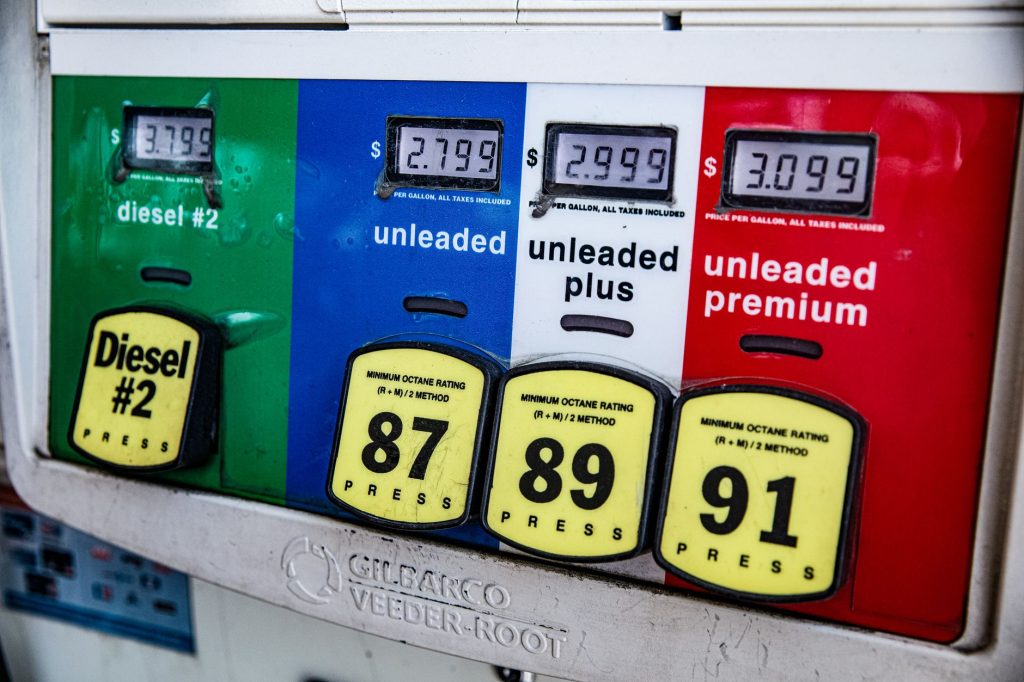
UK inflation reached 3.6% in October, hitting a one-year high as soaring diesel prices and fuel costs squeezed household budgets across the country. According to a CNBC World report, rising energy expenses continue to drive up consumer prices following trade disruptions. Officials from the Office for National Statistics noted that motor fuel expenses jumped significantly over the past year. Furthermore, analysts track these trends to understand broader market reactions and financial portfolio shifts.
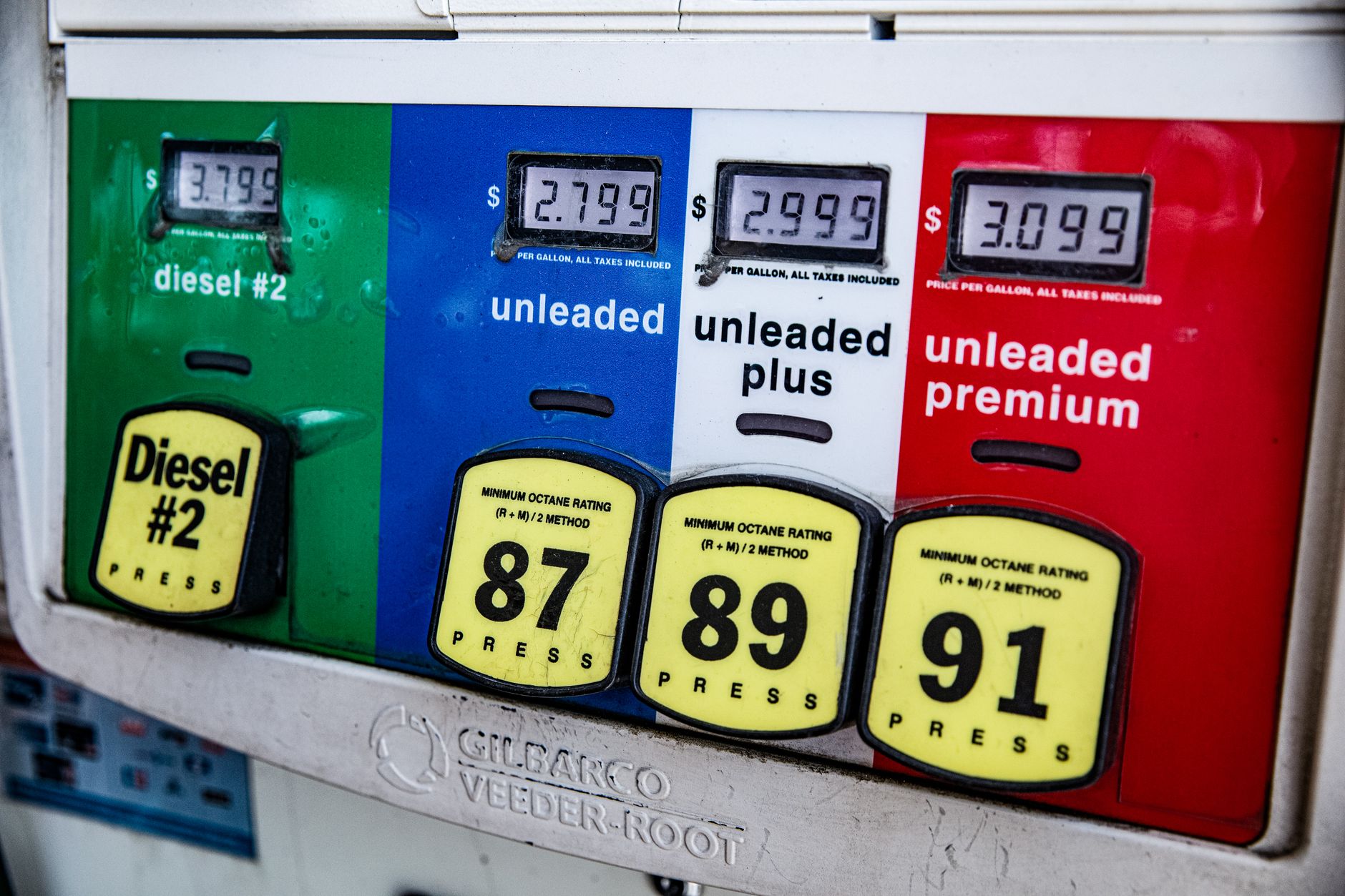
Why are record diesel prices driving UK inflation?
Diesel prices reached historic highs in October, averaging 199.5 pence per liter across the nation. This marked the highest level recorded since official tracking began back in 1996. Meanwhile, petrol prices also climbed sharply, adding extra pressure to everyday drivers and freight operators alike. For more details on global market reactions, visit The Guardian for comprehensive coverage. Readers can also explore our mortgage planning resources to prepare for upcoming cost changes.
The Bank of England recently raised interest rates to combat these growing inflationary pressures. Financial experts warn that inflation could climb even higher before the economy stabilizes next year. Therefore, families must review their monthly spending habits to cope with the rising cost of living. Additional guidance is available via our wealth planning insights for households facing tighter financial constraints.

What does this mean for everyday consumers?
Higher inflation means that everyday items cost more money at checkout. Households will likely spend more on home energy bills, driving, and groceries in the coming months. Specifically, experts predict that utility bills will increase significantly this winter. While the government plans to offer a small financial handout, families still face tough choices regarding monthly budgets.
To measure the broader economic impact, economists track key metrics across the transport and energy sectors. The table below outlines recent figures reported by official national agencies in October.
| Economic Indicator | Recorded Figure | Source & Date |
|---|---|---|
| UK Inflation Rate | 3.6% | ONS, October |
| Average Diesel Price | 199.5p per liter | Market Index, October |
Frequently asked questions about inflation
How high might inflation go next year?
The Bank of England warns that inflation could peak close to 5% by the middle of next year. Therefore, experts advise planning for sustained high costs.
Why did diesel prices spike so sharply?
Ongoing conflicts in the Middle East disrupted global oil trade, pushing crude oil and fuel production costs much higher. Consequently, consumers face higher pump prices.
What impact will this Markets & Economy development have over the next 12 months?
Reader poll (non-scientific). Share your perspective below or join the discussion in the comments.