
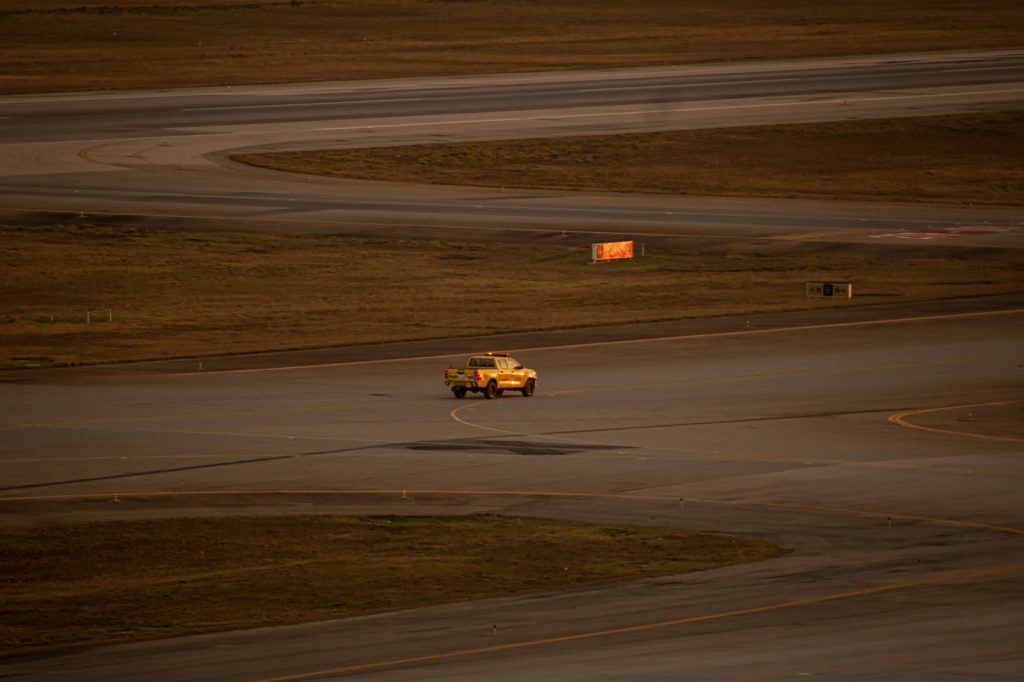
In today’s fast-evolving landscape, understanding Understanding Faa Ground is essential. An FAA ground stops directive temporarily halts departures across an entire region or country to manage severe safety concerns or acute operational bottlenecks. When federal regulators implement such a measure, departing flights are held at their origin airports while aircraft already airborne continue safely to their destinations under air traffic control supervision. Federal officials said they ordered the stop after data overloaded communications systems with flights in the air.
These measures are exceptionally rare because maintaining standard separation is paramount. Regulatory agencies rely on complex digital networks. For broader context on related travel disruptions, see US Airports Flight Stoppage Causes Nationwide Travel Chaos.
Understanding Faa Ground: What Triggers FAA Ground Stops?
An air traffic management directive can temporarily halt departures to manage severe safety concerns. Because aviation systems prioritize safety, administrators utilize these pauses when data anomalies threaten tracking precision. For related insights on technological resilience, check out Global Microsoft Outage Disrups Outlook and Teams Users.
Federal regulators implement these measures during extraordinary circumstances. Regulatory agencies rely on complex digital networks to exchange flight plans and radar telemetry between ground facilities and aircraft. Maintaining constant communication is vital, which is why system administrators act swiftly when anomalies appear.
Technology Behind Air Traffic Management
Modern air traffic management relies on interconnected computer networks, radar feeds, and messaging protocols to track thousands of simultaneous flights. Because these architectures handle high volumes of real-time data continuously, any disruption to central networking hardware can trigger automated safety protocols or system reboots. Sources told CBS News that an update to the network connecting the air traffic control system caused a reboot, crash, and outage.
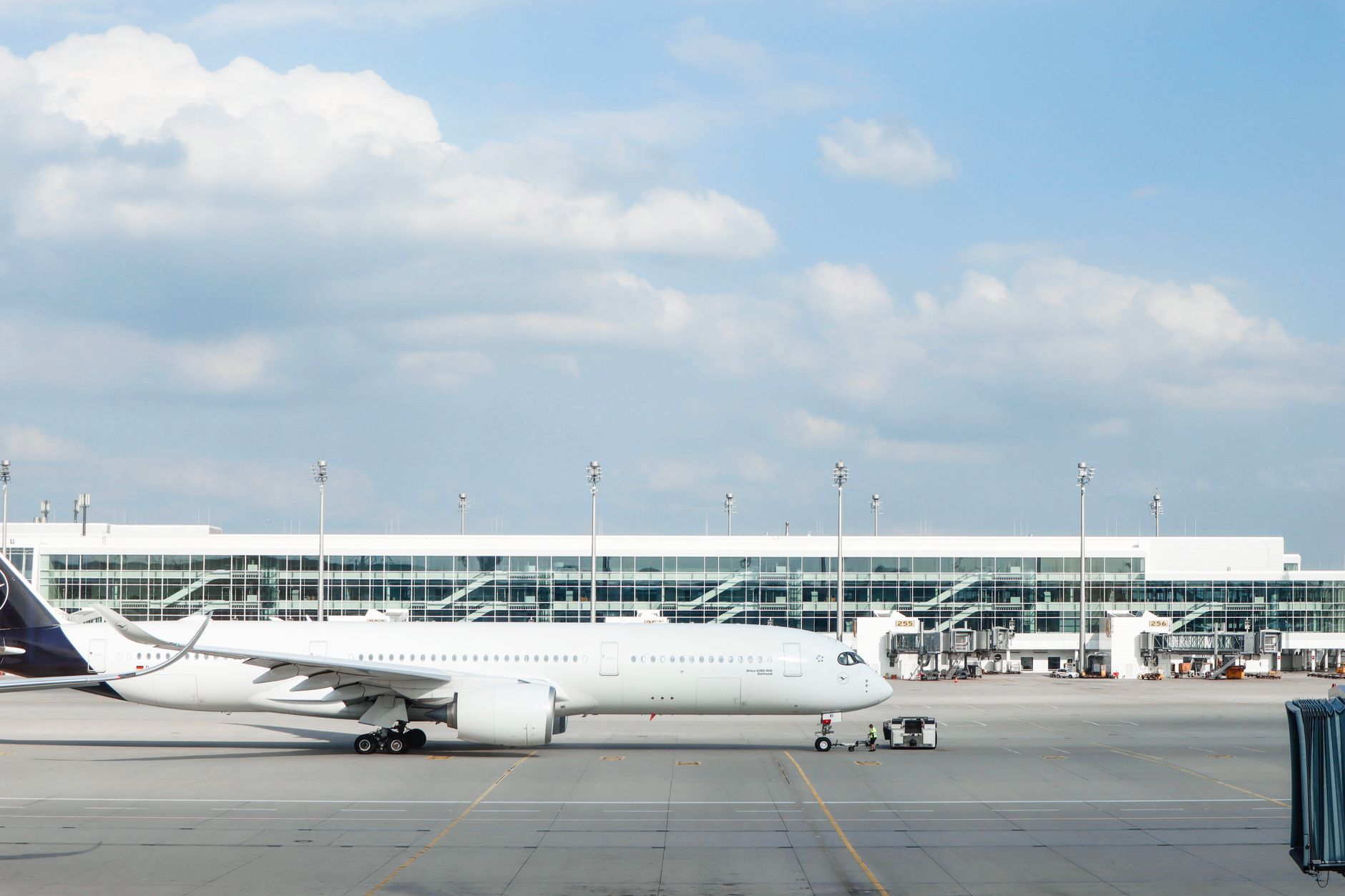
When a critical subsystem experiences an unexpected outage or data overload, system administrators must isolate the fault. Halting new takeoffs prevents the volume of active flights from exceeding backup system capacity. For insights on managing complex software dependencies, review Microsoft Outlook outage leaves thousands struggling to access their email.
Resuming Normal Operations After FAA Ground Stops
Once technical teams verify that data flows and communication channels have stabilized, regulatory bodies coordinate a phased return to normal scheduling. The Federal Aviation Administration lifts a nationwide ground stop after a telecommunications outage led to thousands of flight cancellations, allowing airlines to gradually restart departures. The FAA lifts nationwide ground stop that blocked takeoffs for hours.
Airlines, ground crews, and airport authorities then work to clear backlogs. Because commercial aviation operates on tight schedules, restoring equilibrium across national airspace typically takes many hours. For more details on tech infrastructure, consult resources at Wikipedia.
Frequently Asked Questions About FAA Ground Stops
Are airborne planes affected by FAA ground stops?
No. A ground stop specifically prevents aircraft from taking off, while planes already in the air continue flying under standard air traffic control guidance.
What causes an air traffic control network outage?
Outages can stem from data overloads, software updates, or hardware failures within the complex telecommunications infrastructure connecting regional facilities.
Key Takeaways
- Ground stops are rare regulatory measures designed to hold departing traffic during safety or technical emergencies.
- System overloads and software updates can occasionally trigger network reboots or temporary communication outages.
- Airborne flights remain safe under active control while ground systems undergo troubleshooting and recovery.
What impact will this Guides & Explainers development have over the next 12 months?
Reader poll (non-scientific). Share your perspective below or join the discussion in the comments.