
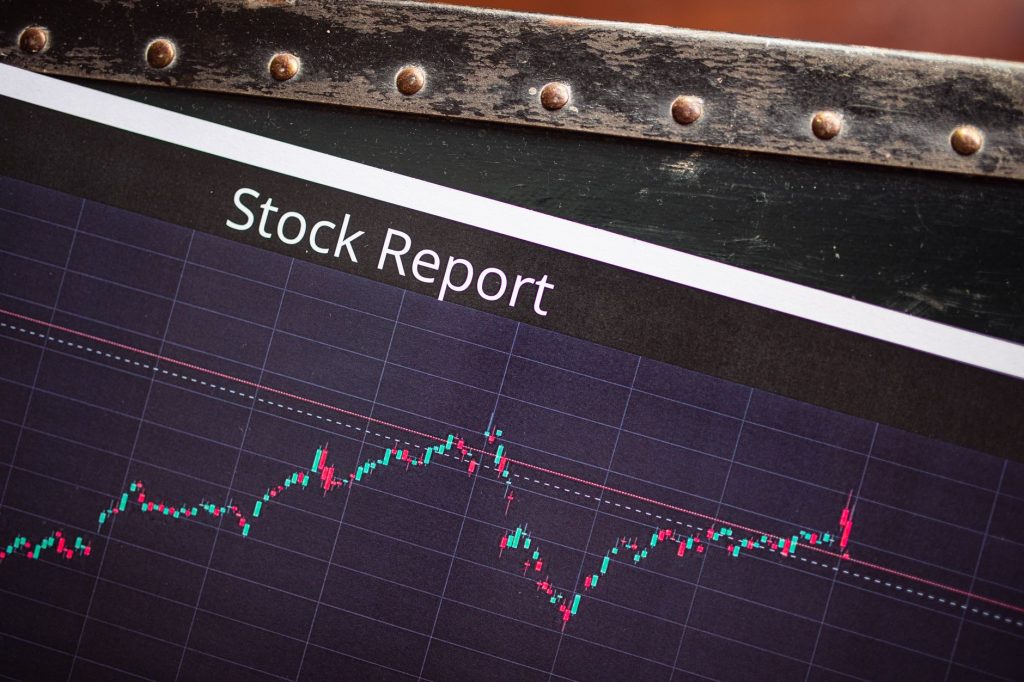
Recent market data suggests that indian financial stocks are poised for a strong performance as capital deployment accelerates across major exchanges. Foreign Portfolio Investors currently hold positions below their five-year average in this vital sector. Consequently, experts expect a rise in buying activity as capital flows recover significantly. This trend marks a major shift in sentiment after a prolonged period of net outflows.
Large-scale institutional investors seek sectors with strong growth potential and high liquidity. Since mid-October, net buying in equities has reached significant levels across global markets. This shift signals a fundamental change in market direction. Because these core equities represent a massive portion of the index, they attract the most liquidity. Additionally, banks have shown remarkable resilience during recent global economic shifts. You can also explore how corporate dividends signal future market gains for more portfolio strategies, or review aviation and banking IT failures for risk factors. You can also read more via the Wikipedia Economy of India overview.
Why Global Funds Target Indian Financial Stocks
When foreign funds re-enter a market, they often favor large-cap companies. These firms offer the scale needed to absorb large capital inflows without causing excessive volatility. As a result, analysts see a clear focus on established banks rather than smaller firms. If you want to understand broader market movements, watching these large-cap shifts is wise. Furthermore, this preference for safety reflects the cautious approach adopted by international asset managers.
Furthermore, recent market data reveals that foreign ownership across broader indexes hit multi-year lows recently. This low base means that any small increase in allocation translates into massive capital deployment. Therefore, market analysts track these metrics closely to predict near-term price action. Investors should note that large-cap companies usually lead the recovery phase before smaller firms catch up.

How Institutional Ownership Has Shifted in Markets
Data shows that domestic institutional investors have stepped up their participation as well. While foreign ownership hit a multi-year low, local investors filled the gap effectively. This dual support from both local and international sources creates a robust foundation for market health. In contrast to previous years, the current market structure relies on a balanced mix of domestic and foreign capital. You can read more about aviation financial impacts to understand cross-sector volatility.
Moreover, the report notes that non-India-dedicated funds hold a large share of assets. These funds have historically kept their exposure light. If these entities decide to increase their allocation, the impact could be substantial. Specifically, a shift in sentiment among these active funds would provide a strong tailwind for the broader market. It remains essential for retail investors to monitor these institutional shifts.
Local mutual funds continue to provide steady systematic investment inflows month after month. This steady stream of domestic money cushions the market against sudden foreign outflows. Consequently, market corrections tend to be shorter and less severe than in previous decades. Observers often point to this domestic cushion as a key reason for long-term stability.
What is the Future Outlook for Indian Financial Stocks?
Looking ahead, the recovery of foreign inflows appears to be a multi-month trend. Analysts point to the fact that foreign investors are still underweight in select sectors. However, the financial segment stands out due to its attractive valuation levels. Consequently, capital will likely flow toward these areas as portfolios are adjusted for the next cycle.
Ultimately, the appetite for indian financial stocks remains a vital indicator of market confidence. While external risks always exist, the current trend shows a clear path toward renewed investment. Investors who keep a close eye on these patterns often find better entry points. Finally, maintaining a diversified approach while tracking these institutional flows will help in building a resilient portfolio. You can check out ai bubble warning trends for broader economic context.
Risk management remains critical as global economic conditions change rapidly. Interest rate decisions by major central banks will also influence how fast foreign capital returns. Smart traders always prepare for sudden shifts by keeping cash reserves ready. By combining careful research with disciplined habits, you can navigate these market cycles with confidence.
What impact will this Markets & Economy development have over the next 12 months?
Reader poll (non-scientific). Share your perspective below or join the discussion in the comments.