
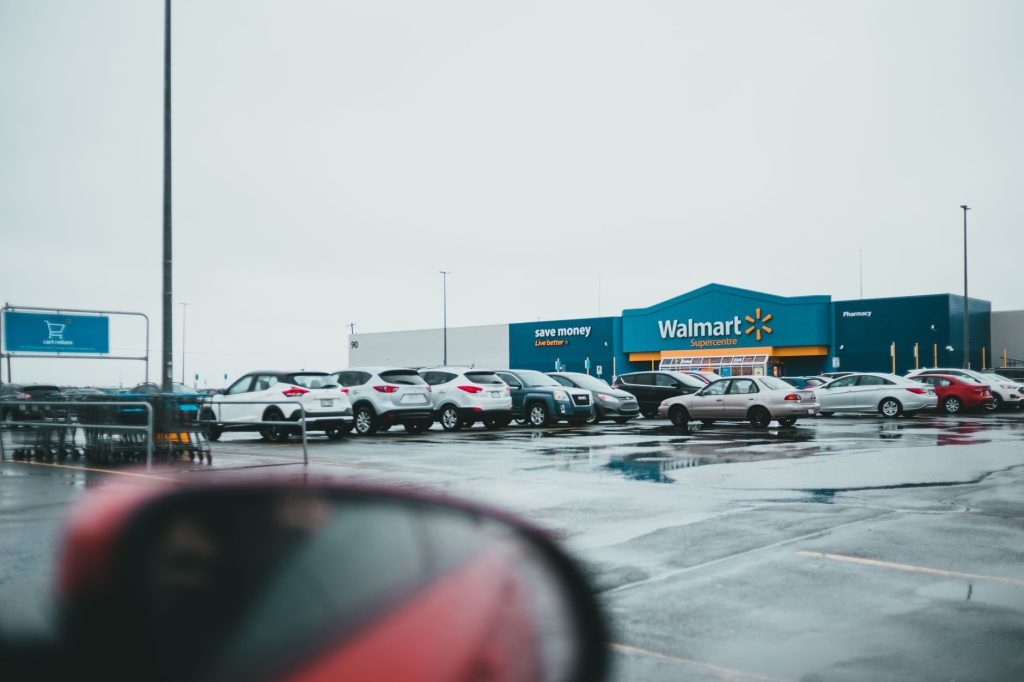
In today’s fast-evolving landscape, understanding When Walmart Pulls is essential. When a Walmart store closes, nearby retail sales drop significantly rather than rising. Research published by Fortune in November 2026 demonstrates that local store sales decline steadily. Specifically, nearby retail sales drop roughly 17 percent by month nine. By month twelve, this decline plunges to 20 percent. Therefore, communities must understand that big-box vacancies trigger widespread commercial stagnation. This economic shock affects far more than just the closed store itself.
Many investors mistakenly assume that displaced shoppers will instantly support adjacent storefronts. However, consumer behavior studies show that shoppers redirect their routines to regional hubs. Because of this shift, independent shops face sudden liquidity squeezes. These financial pressures threaten the long-term survival of local businesses. Understanding this dynamic is crucial for stakeholders in the retail sector.

When Walmart Pulls: Why do nearby retail sales drop significantly?
Anchor stores generate vital foot traffic that sustains surrounding businesses. They create symbiotic consumer habits that benefit the entire strip. When that central magnet disappears, consumer trips to the retail strip decline sharply. Neighboring shops lose the casual browsing required to maintain baseline revenue. Without the foundational draw of a major retailer, foot traffic dries up completely. This creates a severe economic vacuum in the immediate area.
Commercial real estate developers are also learning about these governance shifts. They must adapt to changing market conditions. For example, understanding executive wealth and governance controls helps explain corporate decision-making. When anchor tenants leave, property valuations plummet. Municipal leaders must rethink traditional zoning laws. They also need to adjust commercial development incentives. This proactive approach is essential for economic stability.

Who is most vulnerable to nearby retail sales drops?
Small independent merchants suffer the steepest losses. Their marketing budgets cannot replace the broad consumer draw of a national retailer. Strip-mall tenants are also highly vulnerable to these shifts. While owners hope complementary shops will absorb displaced shoppers, data proves otherwise. Consumer habits shift entirely away from the immediate commercial strip. Consequently, smaller businesses absorb the full weight of the foot traffic deficit. They lack the resources to compete with larger regional destinations.
For additional perspective on economic shocks, readers can review broader housing trends. For instance, see how home sales hit a 16-year low in October. Both retail closures and housing stagnation highlight the fragility of local commercial ecosystems. These trends often correlate during periods of corporate restructuring. Investors should monitor these interconnected markets closely. This holistic view provides a more accurate risk assessment.
What is the timeline of financial decline?
Financial impacts manifest progressively over a twelve-month period. This follows a major big-box exit. According to data compiled in November 2026, customer volume reduction translates into revenue contraction. This occurs across consecutive quarters. The table below outlines this exact trajectory. It provides clear benchmarks for local economic planning. Stakeholders can use this data to forecast future performance.
| Timeline Post-Closure | Average Sales Decline | Source Attribution | Data Date |
|---|---|---|---|
| Month Nine | 17 Percent | Fortune Analysis | November 2026 |
| Month Twelve | 20 Percent | Fortune Analysis | November 2026 |
As illustrated, nearby retail sales drop in a predictable curve. This pattern is not a sudden cliff. It gives municipal planners a narrow window to intervene. They can deploy targeted economic revitalization initiatives. However, most local governments fail to deploy countermeasures quickly enough. This delay often leads to permanent storefront vacancies. Speed is critical in this economic response strategy.
How can urban planners prevent nearby retail sales drops?
Commercial real estate strategies must adapt to anchor store vacancies. Developers should diversify destination drivers beyond traditional big-box retail models. Municipalities facing potential departures can no longer rely on self-correction. They must assume that neighborhood commerce will not naturally recover. Therefore, proactive economic revitalization plans are essential. These plans protect surrounding commercial districts from long-term decay. They also prevent severe vacancy loops from taking hold.
Furthermore, local governments should invest in digital infrastructure. For example, see how digital nomads run businesses from the road. This trend can attract new types of economic activity. It diversifies the local revenue base. This strategy reduces reliance on physical foot traffic. It creates a more resilient local economy.
Frequently Asked Questions
Do small businesses benefit when a Walmart closes?
No, data shows neighboring businesses experience a 20 percent drop in sales one year after closure. They do not gain extra customers from the displaced shoppers.
Why do surrounding store sales decline?
Shoppers completely redirect their routines to alternative regional shopping hubs. They stop supporting local adjacent shops. This shift in behavior causes the sales drop.
How quickly do sales drop after a big-box departure?
Sales decline by 17 percent at nine months. They reach a 20 percent reduction by twelve months. This timeline is consistent across similar closures.
What impact will this Markets & Economy development have over the next 12 months?
Reader poll (non-scientific). Share your perspective below or join the discussion in the comments.