
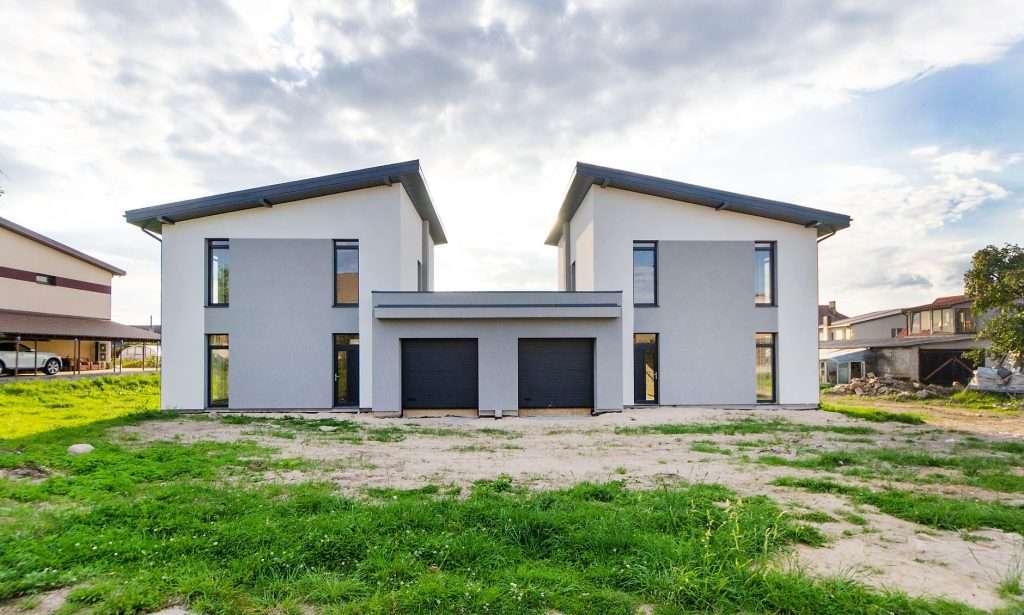
Home sales hit a 16-year low in October as persistent inflationary pressures and rising interest rates pushed borrowing costs to levels not seen since 2000. This downturn significantly impacts prospective homebuyers and the broader real estate market, as the 30-year mortgage rate recently climbed to approximately 7.18% nationwide.
What caused the slump in home sales?
The primary driver behind the 16-year low in home sales is the rapid ascent of 30-year mortgage rates to approximately 7.18%, spurred by Federal Reserve interest rate hikes intended to combat rising inflation The Guardian. This sharp increase in borrowing costs reversed the downward trend in rates observed earlier in 2026, effectively pricing many potential buyers out of the market.
Analysis: Comparing Mortgage Environments
| Period | Approximate 30-Year Mortgage Rate | Market Context |
|---|---|---|
| Pandemic Era | 3% | Historically low borrowing costs |
| February 2026 | Below 6% | Downward trend in interest rates |
| October 2026 | 7.18% | Post-interest rate hike environment |
As indicated by data from the National Association of Realtors, the cooling market is not a result of declining prices, but rather a lack of demand resulting from the compounding effect of high rates and broader economic uncertainty. Median existing-home prices actually saw a slight increase to $416,700 despite the massive drop in transaction volume.
Who is most affected by the decline?
Prospective first-time buyers and those reliant on conventional financing are facing the most significant hurdles in the current housing landscape. While the market has seen regional variations—with sales in the northeast remaining steady compared to steeper declines in the midwest, south, and west—the national trend reflects a widespread struggle with affordability The Guardian.
Renters are also feeling the weight of the economic environment, as census data shows median rent growth consistently outpacing general inflation. With homeownership rates having stagnated since 2021, the current decline in sales volume suggests a deepening challenge for individuals looking to transition into permanent homeownership, particularly as the central bank signals further interest rate increases in the coming month.
What remains uncertain for the market?
Experts remain divided on whether this trend represents a long-term shift or a temporary response to current macroeconomic volatility. While some observers suggest that the current market reflects a unique alignment of pre-election uncertainty and aggressive monetary policy, the persistent rise in inflation suggests that the pressure on the housing sector may continue into the next year. It is currently unclear if the market will stabilize in the short term or if affordability will continue to deteriorate as the Federal Reserve weighs further policy adjustments to address the broader economic climate.
Story Timeline: Global Mortgage & Home Loan Rate Analysis
Track this developing story from beginning to end across all published reports in our newsroom coverage tree below.
Home sales hit a 16-year low in October as record-high mortgage rates and inflation dampen demand for US housing. Learn what this means for the market.
Explore the best home loan rates Australia has to offer. Compare variable and fixed rates, LVR impact, comparison rates, and major lender terms.
Using an independent UK mortgage broker grants access to exclusive lender rates. Learn fee structures, FCA regulations, and first-time buyer steps.
Frequently asked questions
Why are mortgage rates currently so high?
Mortgage rates have risen primarily due to Federal Reserve interest rate hikes designed to combat higher-than-expected inflation. These policy shifts, coupled with broader economic instability and geopolitical tensions, have driven 30-year mortgage rates toward their highest levels since 2000, making financing significantly more expensive for buyers.
Are home prices falling alongside sales?
Despite a significant 8.8% decline in the volume of existing home sales compared to last year, median home prices have not plummeted. Data indicates prices have seen a slight increase to $416,700, suggesting that low inventory and supply constraints are maintaining price levels despite significantly reduced buyer demand.
Will home sales improve in the near future?
Future trends in home sales depend largely on the trajectory of inflation and Federal Reserve policy. With the central bank poised to consider further interest rate increases to manage economic growth, many analysts anticipate that high borrowing costs may continue to limit home sales activity in the short term.
What impact will this Markets & Economy development have over the next 12 months?
Reader poll (non-scientific). Share your perspective below or join the discussion in the comments.