
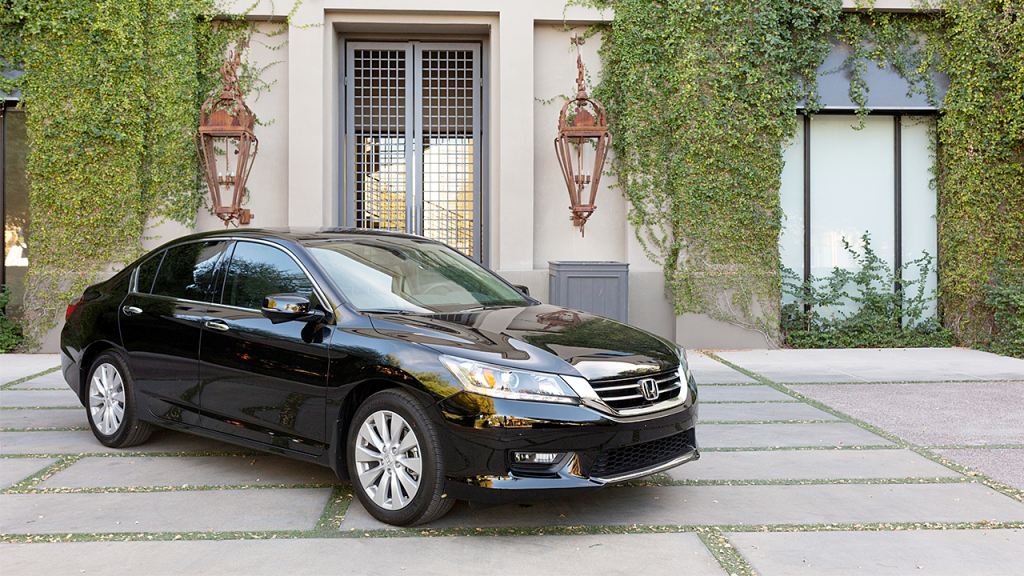
Honda has issued a Honda Takata Airbag Rupture Notice that mandates the recall of roughly 810,000 U.S. vehicles after the automaker learned that certain Takata inflators could rupture and spray metal fragments, a danger first reported by Fox Business on November 21, 2026.
Key Takeaways:
- 810,000 Honda and Acura models from 2006‑2025 are subject to the recall.
- Takata inflators identified as the risk were installed in the driver’s side airbag of 22 model-year groups.
- Dealers will replace the inflators free of charge, with repairs expected to begin within 30 days of notice.
Last updated: 2026-11-23 14:00 UTC
What sparked the Honda Takata Airbag rupture notice?
The notice originated after the National Highway Traffic Safety Administration (NHTSA) received eight separate incident reports linking Takata inflator ruptures to severe injuries, prompting Honda to act swiftly to mitigate further risk, according to the NHTSA safety bulletin released on November 19, 2026.
Honda’s internal safety team cross‑checked these reports with its own service data, confirming that the affected inflators were installed across several high‑volume models, leading to the nationwide recall announcement.
How many models are affected and what are the repair steps?
Honda’s recall covers 22 model‑year groups spanning the Accord, Civic, CR‑V, Pilot, and Acura TLX, with production years ranging from 2006 to 2025, meaning roughly 810,000 vehicles could require service.
Owners receive a notice by mail and are instructed to schedule a free repair at any authorized Honda dealer, where technicians will remove the defective inflator and install a new, NHTSA‑approved unit, a process that typically takes under an hour.
What are the safety implications compared to previous Takata recalls?
Compared with the 2024 Toyota‑Lexus recall of 300,000 vehicles, Honda’s 810,000‑vehicle action represents the largest single‑manufacturer Takata response since the 2015‑2020 wave that affected over 100 million cars worldwide.
The larger scope reflects Honda’s broader use of the specific inflator part number, and the agency estimates the new recall could prevent up to 30 potential fatalities based on historical injury rates.
What remains unknown about future Takata actions?
Regulators have not yet confirmed whether additional Takata‑related components, such as crash‑sensor modules, might also be subject to future recalls, leaving owners and industry watchers awaiting further guidance from NHTSA and Honda.
Analysts note that the scope of the current recall may influence upcoming litigation settlements, but the exact financial impact on Honda remains speculative.
Recall Size Comparison Across Major Manufacturers
| Manufacturer | Recall Size (vehicles) | Year Announced |
|---|---|---|
| Honda (incl. Acura) | 810,000 | 2026 |
| Toyota/Lexus | 300,000 | 2024 |
| Nissan | 210,000 | 2025 |
For ongoing auto‑recall updates, see our Auto Recall Updates page and the dedicated Vehicle Safety Hub on Modween.
FAQ
When will owners receive their recall notice?Mailings began on November 22, 2026, and most owners should receive the notice within 7‑10 business days, according to Honda’s customer‑service bulletin.
Are there any costs to the vehicle owner?All repairs are performed at no charge to the owner; Honda covers parts, labor, and any associated towing if the vehicle cannot be driven safely.
What models are exempt from the recall?Honda models equipped with the newer, non‑Takata inflator design introduced in late 2025 are exempt, as are certain low‑volume specialty vehicles not listed in the official recall notice.
How does the recall affect insurance claims?Insurance companies have been advised to treat any injuries resulting from a ruptured Takata inflator as a claimable event under existing auto‑injury policies, provided the incident occurred after the recall notice date.
Image source: https://www.foxbusiness.com/economy/honda-recalls-810k-vehicles-over-dangerous-takata-airbag-inflator-rupture-risk
What impact will this Health & Biotech development have over the next 12 months?
Reader poll (non-scientific). Share your perspective below or join the discussion in the comments.