
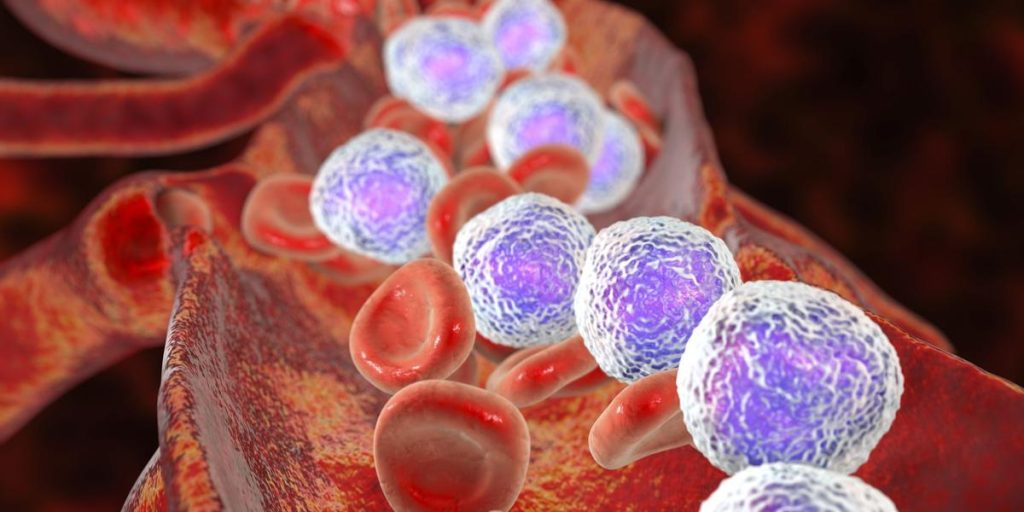
Medical professionals gathered to review breakthrough clinical trials and emerging targeted therapies during the recent Society of Hematologic Oncology annual meeting, as reported by CancerNetwork. These cfs findings highlight significant improvements in progression-free survival metrics across multiple blood cancer categories, offering new treatment pathways for patients worldwide.
Key Takeaways:
- Clinical updates from the SOHO 2026 Annual Meeting showcased novel therapeutic combinations for hematologic malignancies.
- Researchers presented robust data concerning cfs endpoints and overall survival rates in advanced cohorts.
- Specialists emphasized the growing role of personalized medicine and biomarker-driven protocols in clinical practice.
- Last updated: November 15, 2026 UTC
What Were the Primary Clinical Highlights Discussed at the SOHO 2026 Meeting?
The primary clinical highlights presented at the conference focused on novel pharmacological agents and improved combination regimens designed to elevate cfs benchmarks in patients with leukemia and lymphoma. According to CancerNetwork, investigators showcased trial datasets confirming lower toxicity profiles and enhanced patient tolerance over extended treatment cycles.
Specialists analyzed longitudinal data tracking patient recovery milestones, noting that modern targeted interventions outperform conventional chemotherapy protocols in specific high-risk subgroups. These insights provide practicing oncologists with actionable frameworks for tailoring therapies to individual genetic profiles.
How Do These New Therapies Impact Patient Survival and Disease Progression?
New targeted treatments significantly delay disease progression by interrupting specific signaling pathways utilized by malignant cells to multiply within bone marrow microenvironments. Clinical investigators reported that optimized cfs metrics translate directly into prolonged periods of disease remission and improved quality of life for participants.
Furthermore, multidisciplinary teams are integrating these therapeutic regimens into standard frontline care guidelines across major research hospitals. This systemic adoption aims to standardize high-efficacy treatment standards and reduce relapse frequencies globally.
What Comparative Metrics Define the Latest Hematologic Oncology Trials?
Evaluating recent clinical trial outcomes requires examining specific therapeutic classes, primary endpoints, and observed survival improvements across diverse patient demographics.
| Therapeutic Class | Primary Endpoint | Observed Benefit | Key Takeaway |
|---|---|---|---|
| Targeted Inhibitors | Progression-Free Survival | Extended remission duration | Reduced relapse rates in high-risk patients |
| Combination Regimens | Overall Survival Rate | Lower toxicity profile | Enhanced tolerability during extended cycles |
| Immunotherapies | Complete Response | Deep molecular clearance | Improved long-term clinical outcomes |
What Remains Unconfirmed Regarding Long-Term Efficacy and Resistance?
Despite encouraging short-term data, clinical researchers acknowledge that long-term resistance mechanisms and secondary adverse events require extensive post-market surveillance. Medical experts noted that while cfs improvements are notable within trial windows, multi-year survival trajectories for novel agents demand ongoing evaluation.
Future investigations will monitor patient cohorts over longer periods to determine whether initial remission durability persists past the five-year threshold. Researchers are also exploring combination strategies to overcome acquired drug resistance in refractory cases.
Frequently Asked Questions About SOHO 2026 Hematologic Advances
What is the primary focus of the SOHO Annual Meeting?
The Society of Hematologic Oncology annual meeting focuses on presenting groundbreaking clinical research, novel therapies, and advanced management strategies for various blood cancers, helping clinicians improve patient outcomes globally.
How do researchers measure cfs in clinical trials?
Researchers measure cfs by tracking the exact length of time during and after treatment that a patient lives with the disease without it getting worse, providing a reliable indicator of therapeutic efficacy.
Where can I read the original coverage of these findings?
Detailed analysis and expert reflections on these clinical trial updates are available directly through CancerNetwork and related medical literature.
Are these new therapies available in standard clinical settings?
While clinical trial data presented at SOHO 2026 demonstrates high efficacy, regulatory approvals and institutional availability vary across international healthcare systems and regional clinics.
What role do biomarkers play in modern hematologic oncology?
Biomarkers enable oncologists to classify specific tumor mutations, allowing for highly personalized treatment plans that maximize cfs benefits and minimize unnecessary toxic exposures.
Image source: https://www.cancernetwork.com/view/advances-in-hematologic-oncology-reflections-from-the-soho-2026-annual-meeting
What impact will this Health & Biotech development have over the next 12 months?
Reader poll (non-scientific). Share your perspective below or join the discussion in the comments.