
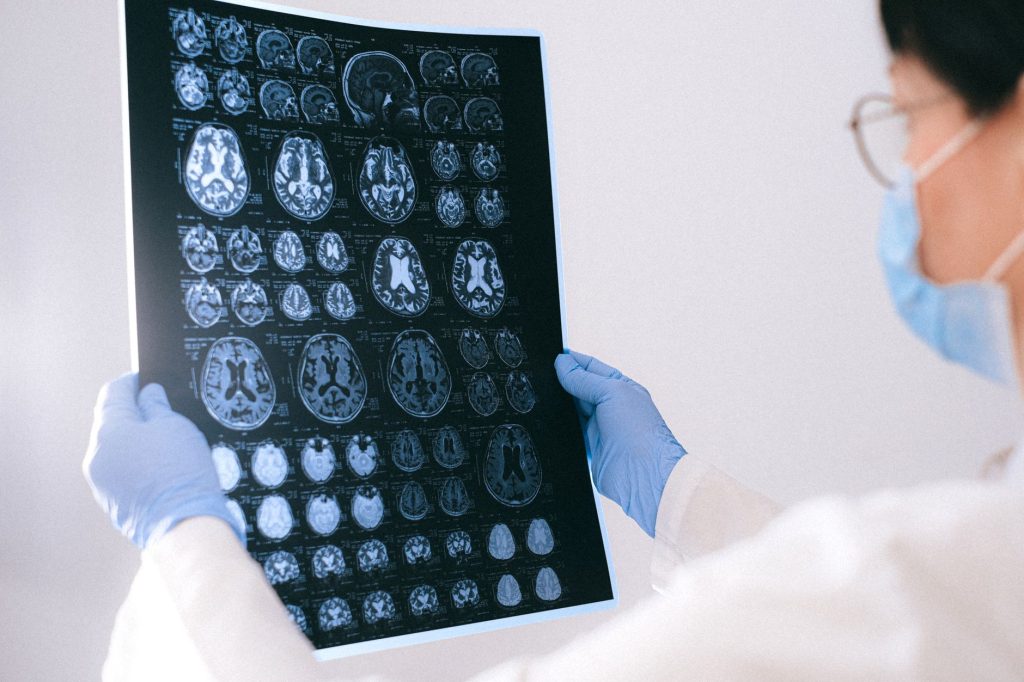
In today’s fast-evolving landscape, understanding Alzheimers Treatment Threatened is essential. Alzheimer’s treatment faces severe delays across the UK because of a critical shortage of brain scanners. Many patients risk missing out on timely diagnoses and breakthrough drugs. These advanced machines help doctors identify disease progression. However, new data reveals the UK lags far behind peer economies. Therefore, urgent action is required to upgrade national diagnostic infrastructure.

Recent findings from the Alzheimer’s Society show troubling statistics regarding national equipment levels. The UK currently maintains the lowest rate of MRI, CT, and PET scanners among sixteen developed nations. For example, the country would need an additional eighteen hundred machines to match France. Consequently, regional disparities create an unfair postcode lottery for patients seeking timely medical evaluations.
Alzheimers Treatment Threatened: Why Alzheimer’s treatment requires modern scanners
Brain scans remain a vital component of accurate memory loss assessments. Clinicians use these detailed images to investigate neurological changes. Additionally, specialists rely on scans to rule out alternative causes of cognitive symptoms. Therefore, modern diagnostic tools directly influence patient care pathways. Without adequate equipment, doctors cannot accurately determine patient eligibility for newly approved therapies.
Breakthrough medications like lecanemab and donanemab offer significant hope for slowing cognitive decline. These innovative drugs target known causes of the condition rather than just managing symptoms. Furthermore, clinical trials show they can delay disease progression by up to 8.3 years. However, regular brain scans are mandatory to check ongoing treatment suitability. Meanwhile, patients often face lengthy waiting lists just to secure an initial hospital appointment.
Addressing the postcode lottery in Alzheimer’s treatment
Regional variations in scanner availability create significant inequality across the National Health Service. Staffordshire and Stoke-on-Trent report the fewest machines per capita. Conversely, North Central London maintains much higher equipment density. As a result, geographic location often dictates the quality of neurological care a patient receives. Experts at Modween Healthcare Insights suggest systemic reforms are necessary to balance resource distribution nationwide.
Charities urge ministers to establish a strict eighteen-week waiting time target for memory clinic referrals. However, purchasing new hardware alone will not solve the underlying healthcare crisis. According to reports from the Royal College of Radiologists, a significant workforce shortage persists. Specifically, the NHS faces a thirty-two percent shortfall in senior consultant radiologists who interpret scans. Without hiring more specialized medical staff, extra equipment will fail to translate into increased diagnostic capacity.
The future of Alzheimer’s treatment and carer support
The government recently committed to doubling scanner counts while integrating artificial intelligence technology. These upgrades aim to process more patients efficiently. Nevertheless, experts emphasize that sustained investment in personnel is equally critical. Meanwhile, organizations like Modween Support Resources continue raising funds to assist unpaid family caregivers.
Caring for a relative with cognitive decline presents enormous emotional and physical challenges. Therefore, specialized support courses provide vital guidance on legal rights and daily care strategies. Ultimately, ensuring equitable scanner access and robust workforce funding will transform dementia care. Alzheimer’s treatment must become accessible to every citizen, regardless of where they live in the country.
What impact will this Health & Biotech development have over the next 12 months?
Reader poll (non-scientific). Share your perspective below or join the discussion in the comments.