
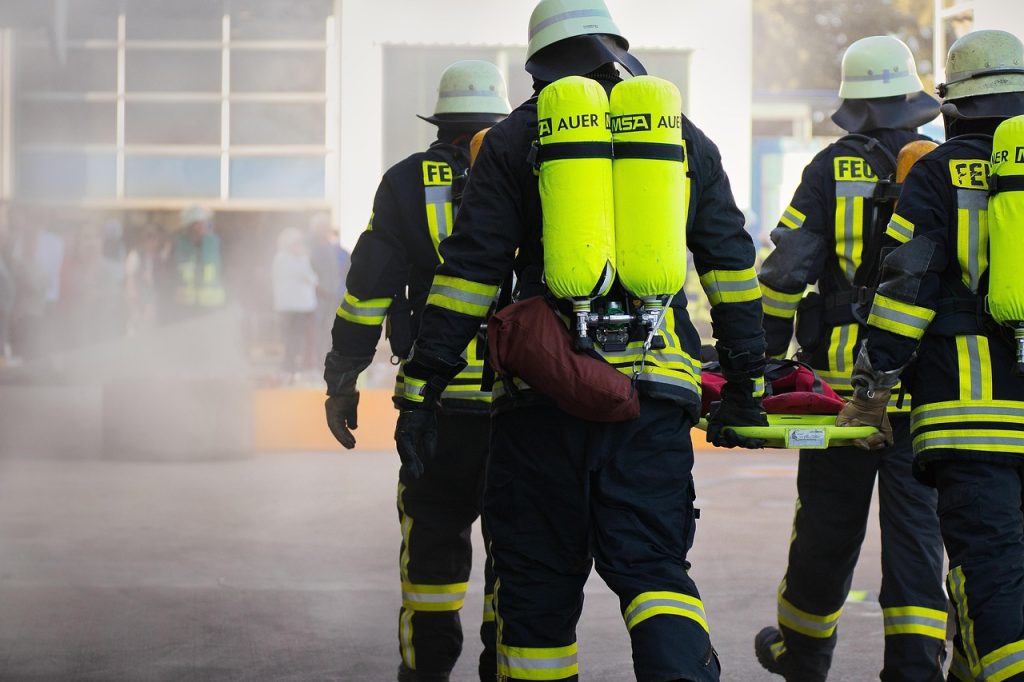
Remarkable 65-foot fall survival hinges on rapid medical care and coordinated first responders, as seen when a student escaped serious injury after an accidental campus fall. When 21-year-old Kristin Sargent leapt from an eighth-floor window in Athens, Georgia, police body-cam footage captured the critical moments. Paramedics arrived within minutes, secured her cervical collar, and started advanced cardiac life support. Fire crews prepared rope teams to lift the stretcher. Within ten minutes, she was on a gurney heading to a trauma center.
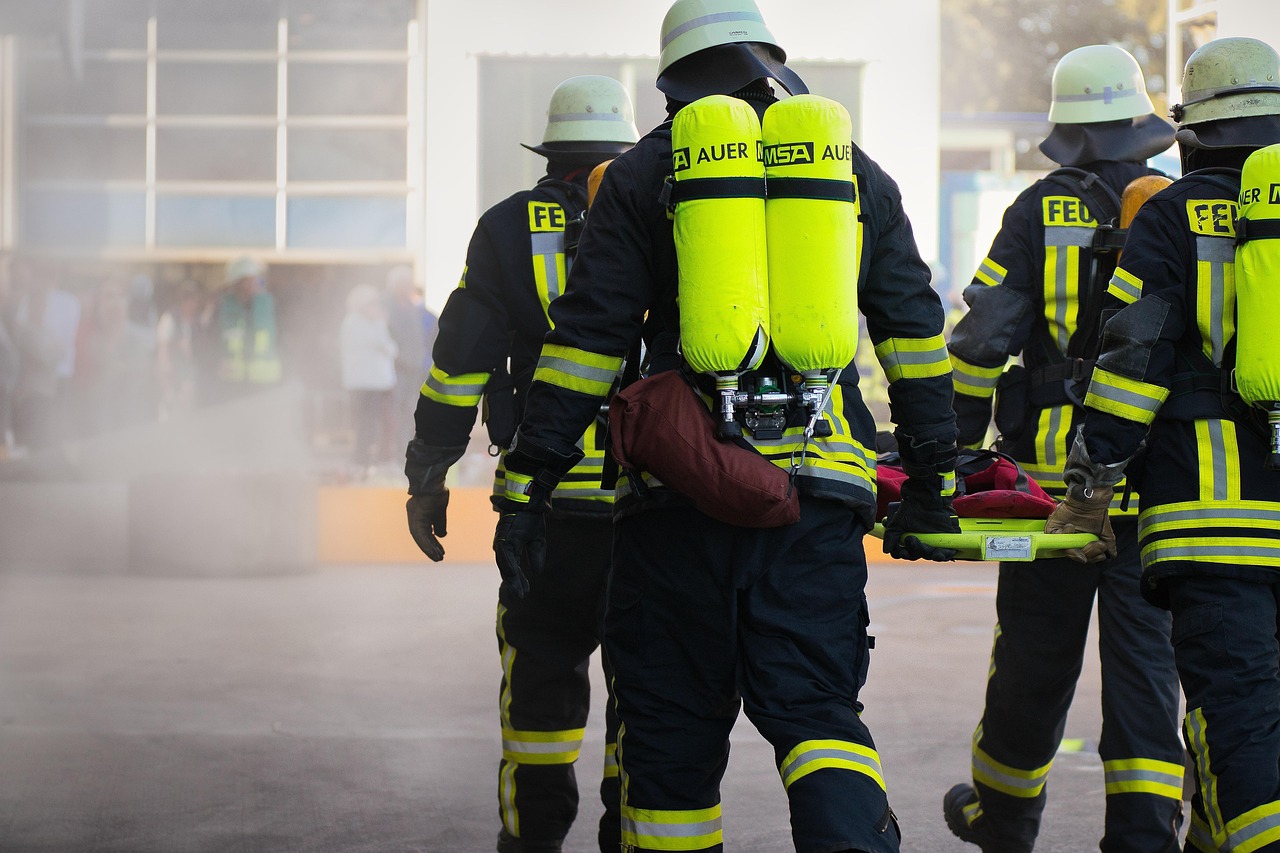
First responders followed strict high-angle rescue protocols to prioritize scene safety and rapid assessment. They cleared the area to prevent secondary injuries and worked closely with EMTs. Because a concrete awning absorbed part of the impact, the resulting trauma was less catastrophic than expected. Consequently, medical teams focused on managing internal injuries rather than fatal head trauma. Additionally, crews review footage after each incident to identify improvement areas. Investing in modern tools, such as portable winches and lightweight stretchers, shortens extraction times significantly. Similar operational coordination is highlighted in emergency alert testing guides, which prove how clear channels protect lives during crises. For broader medical context, readers can review standards maintained by the World Health Organization.
How 65-Foot Fall Survival Relies on First Responders
Collaboration with local hospitals ensures a seamless patient handoff during critical moments. Medical personnel train constantly to handle high-impact trauma scenarios without hesitation. Furthermore, rapid communication between dispatchers and field units saves valuable seconds. When every second counts, structured protocols prevent costly delays in emergency care. Similar safety improvements are frequently discussed in community risk reports, which emphasize local accountability. Ultimately, precise teamwork remains the backbone of successful patient outcomes after severe incidents.
What Campus Safety Policies Must Change for 65-Foot Fall Survival
Campus administrators must review window safety standards following this severe accident. Installing window restrictors on high-rise dormitories can prevent accidental falls during social gatherings. Regular inspections of balcony railings and doors remain essential for student safety. Universities might also provide safety briefings for incoming residents during orientation. Moreover, clear signage about high-rise window hazards raises awareness among residents. Proactive policies protect both students and the institution’s overall reputation.
Ensuring 65-Foot Fall Survival Through Better Building Design
Architects and engineers can incorporate modern design features that improve survivability during accidental falls. Shock-absorbing panels beneath upper-floor windows reduce peak impact forces. Reinforced glass that shatters into small, low-mass pieces also prevents severe lacerations. Installing automatic window locks adds an extra layer of protection for residents. Building codes in several states already require such safety mechanisms for residential high-rises. Updating local regulations to include these standards promotes safer environments across campuses nationwide. The National Health Service continually emphasizes swift trauma care and injury prevention.
Long-Term Recovery After Severe Trauma
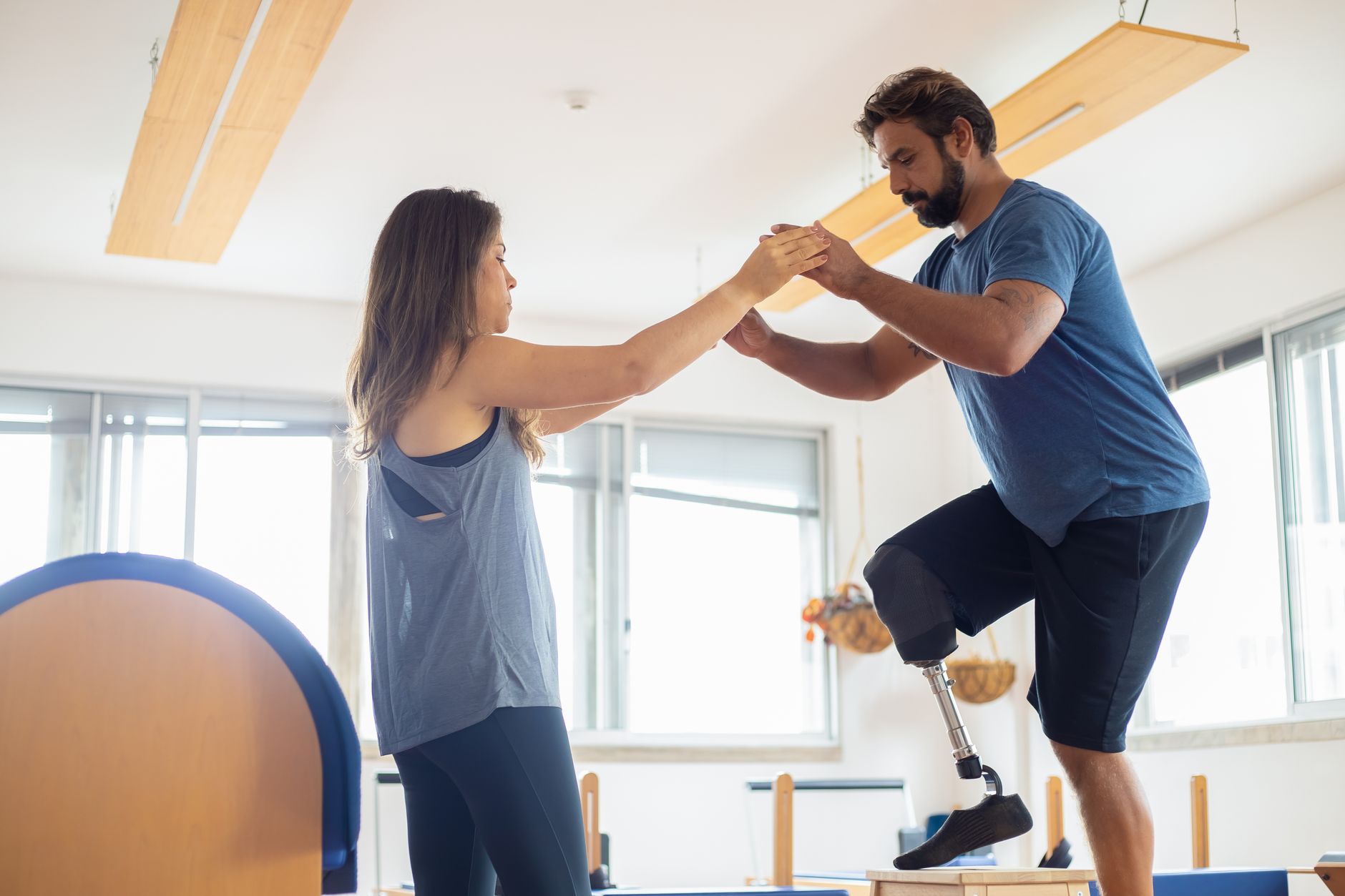
Surviving a high-impact fall is only the first hurdle; rehabilitation often lasts many months. Physical therapy focuses on restoring core strength, balance, and natural gait. Occupational therapists help patients relearn daily tasks such as dressing and cooking. Mental health professionals also address post-traumatic stress that frequently follows life-threatening events. Nutritionists recommend specific diets that support tissue repair and overall healing. Family members play a vital role by providing daily encouragement and assisting with medical appointments. Consistent follow-up with the trauma team ensures complications are caught early, increasing the chance of full recovery.
What impact will this Health & Biotech development have over the next 12 months?
Reader poll (non-scientific). Share your perspective below or join the discussion in the comments.