
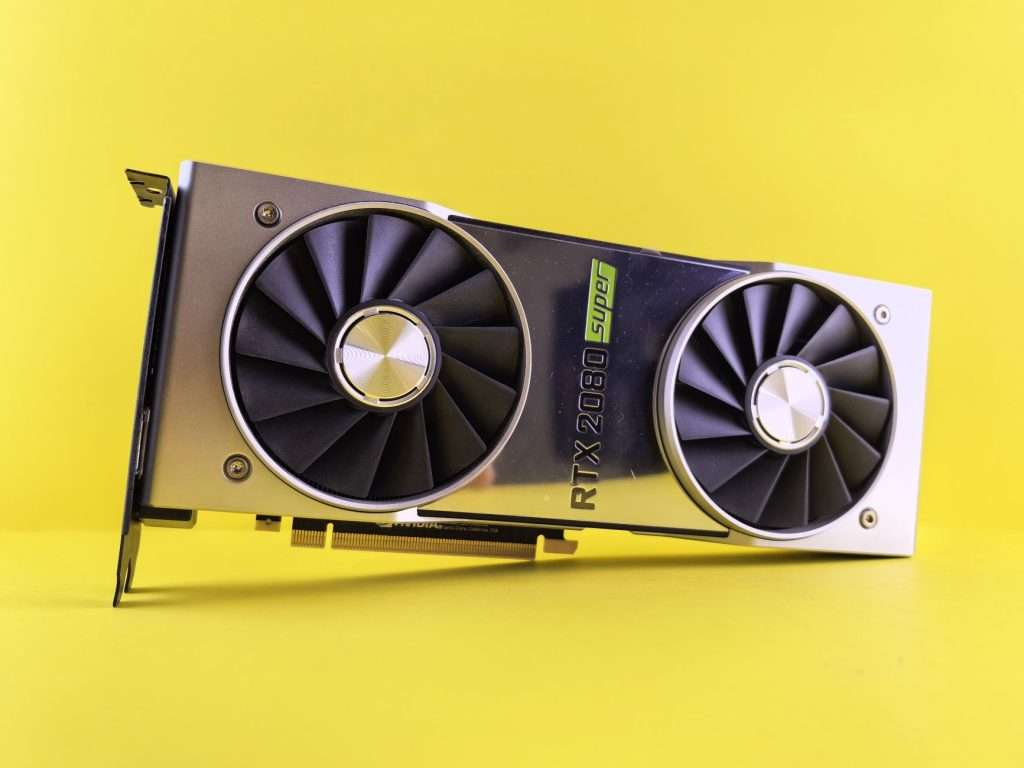
In today’s fast-evolving landscape, understanding Seven is essential. For many gamers, comparing a used RTX 2080 against a handheld device reveals a surprising truth: the older graphics card offers superior raw performance for significantly less money. If you prioritize desktop power over portability, upgrading your PC is the smarter financial move. This analysis breaks down why a budget card easily outperforms an expensive handheld in key areas.
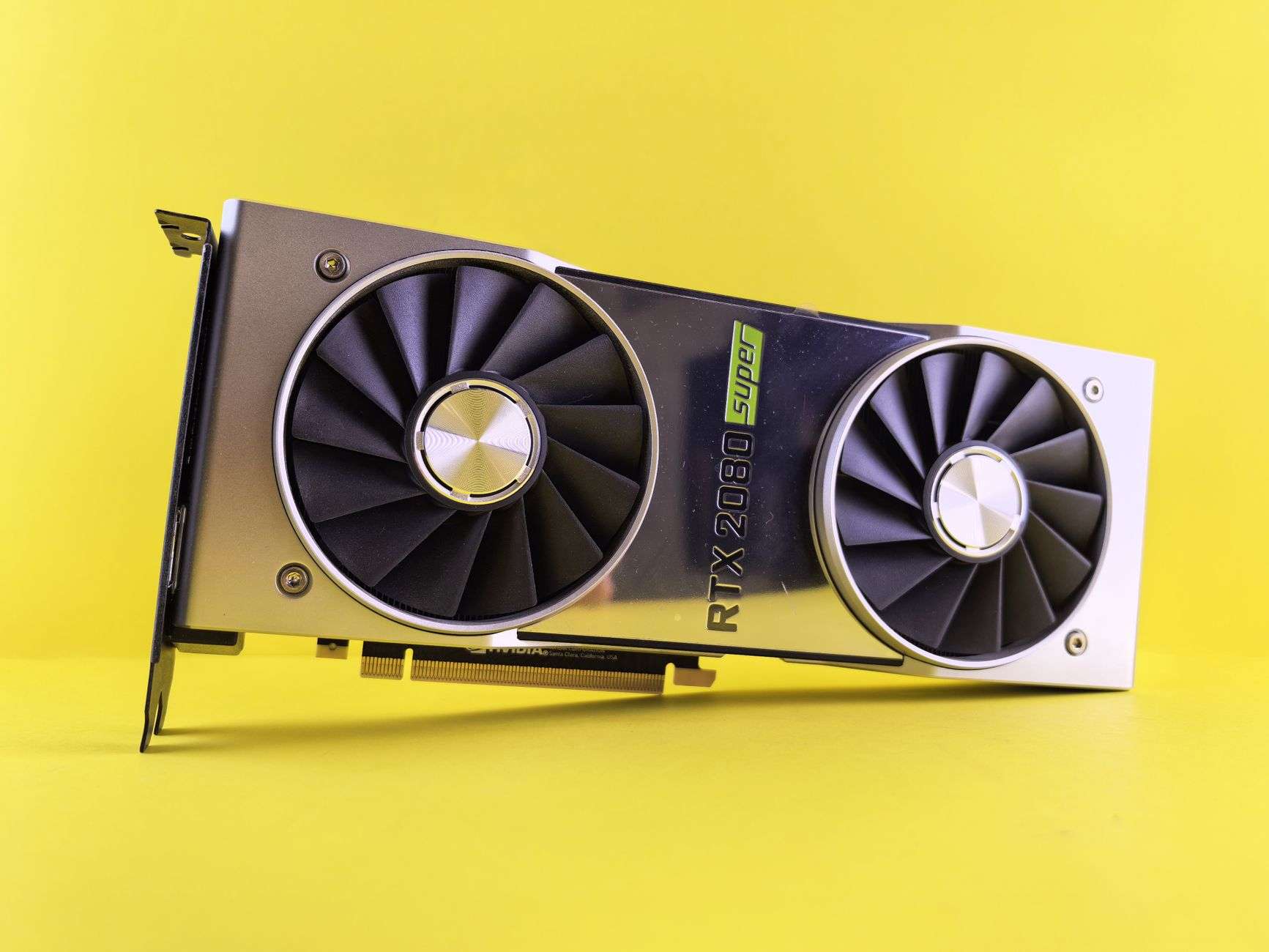
Rising costs for premium handhelds have shifted the value proposition for PC gamers. Therefore, older and high-end graphics cards look increasingly attractive How-To Geek. While portable consoles provide a versatile mini-computer experience, their performance is limited by modest mobile APUs that struggle with demanding modern titles compared to dedicated desktop hardware.
Seven: Why choose a used RTX 2080 over a handheld?
The used RTX 2080 delivers higher frame rates and better resolution support than portable consoles for a fraction of the cost. Because the desktop card was built for high-fidelity workloads, it provides 8GB of dedicated GDDR6 VRAM. In contrast, handhelds rely on shared system memory, which can bottleneck performance in heavy games. You also benefit from DLSS Super Resolution support, allowing older hardware to remain competitive in newer releases.
How do the market prices compare today?
The price gap between these gaming options is substantial. A used RTX 2080 typically costs around $250, whereas a top-tier handheld retails near $1,000. Because desktops are modular, buying a cheaper graphics card is a low-risk entry point. You can replace individual components later as needs evolve, whereas a portable console remains fixed in its capability.
Comparing technical capabilities highlights a significant processing gap. While mobile devices target 800p, desktop cards handle high-fidelity workloads effortlessly, providing much better longevity for traditional gaming setups. Independent benchmarks consistently confirm the desktop card’s superiority in pure performance metrics.
What are the performance differences in games?
Performance-wise, the desktop GPU significantly outpaces mobile APUs in most AAA titles. Handhelds use modest integrated graphics designed for low-power gaming, not high-resolution desktop play. However, the desktop card targets 1080p and higher with robust CUDA cores and massive memory bandwidth. For instance, in graphically intensive games, the desktop card maintains stable frame rates while portables often struggle to maintain smooth performance at high settings.
| Feature | Steam Deck (OLED) | used RTX 2080 |
|---|---|---|
| Primary Target | 800p Portable | 1080p Desktop |
| VRAM | Shared/Limited | 8GB GDDR6 |
| Flexibility | Fixed Hardware | Upgradable |
| Software Support | Driver-locked | DLSS Super Resolution |
Does the desktop setup offer better future-proofing?
Desktop systems offer superior long-term value through modular upgrades. You can replace the GPU, CPU, or RAM individually to ensure your system stays relevant for years. Conversely, fixed handheld hardware cannot be upgraded once it becomes outdated. Furthermore, the used GPU market is deep, allowing you to optimize your budget precisely.
To plan your hardware upgrades effectively, check out our analysis of Nvidia RTX 5080 Price Spikes. You might also find our guide on Why Upgrading Laptop RAM Is No Longer Cheaper helpful. Additionally, explore How NFC Tags at Home Streamline Daily Phone Tasks for other tech tips. For a broader industry perspective, read about Understanding the Nvidia Investigation. Finally, consider This $25 USB Dongle as another budget-friendly tech option.
Frequently asked questions
Is a used RTX 2080 still relevant today?
Yes, the card remains highly capable for 1080p gaming because its support for DLSS Super Resolution helps it handle contemporary titles.
Why are modern handhelds considered expensive?
Prices near $1,000 place these portables in a bracket where users can often build a significantly more powerful desktop PC.
What is the main downside of this desktop upgrade?
The primary trade-off is the loss of the portable form factor, making the choice dependent on whether you prioritize raw performance or mobility.
Can I use a handheld as a desktop replacement?
Technically yes by connecting peripherals, but input lag and performance limitations make portables less suitable for stationary setups.
What impact will this Hardware & Gadgets development have over the next 12 months?
Reader poll (non-scientific). Share your perspective below or join the discussion in the comments.