
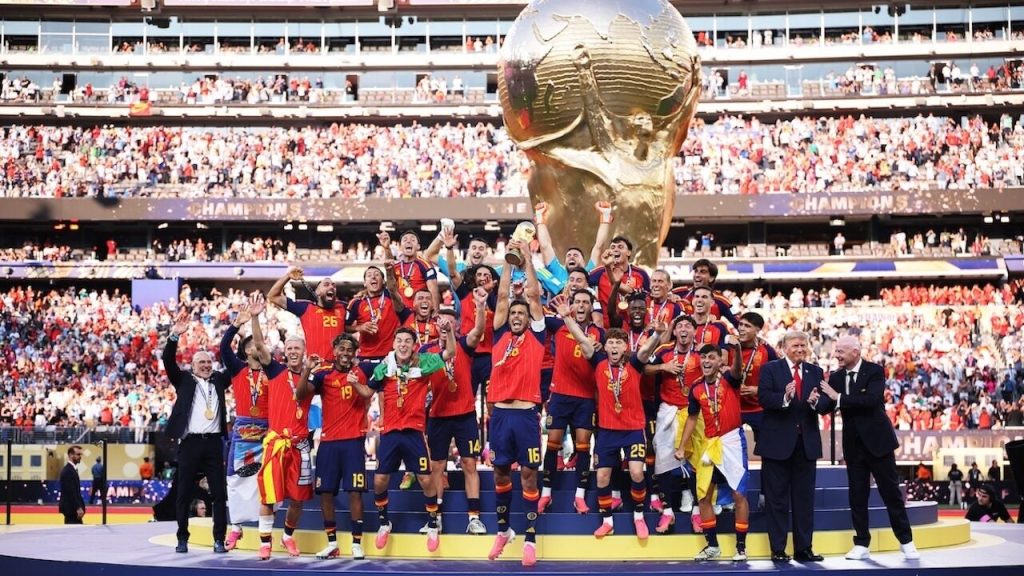
YouTube decided to skip the 2030 World Cup TV rights auction. As a result, soccer fans are wondering how media platforms will stream future games. FIFA hoped to raise billions from the upcoming media rights deal. However, several major tech and media companies chose not to submit bids before the deadline.
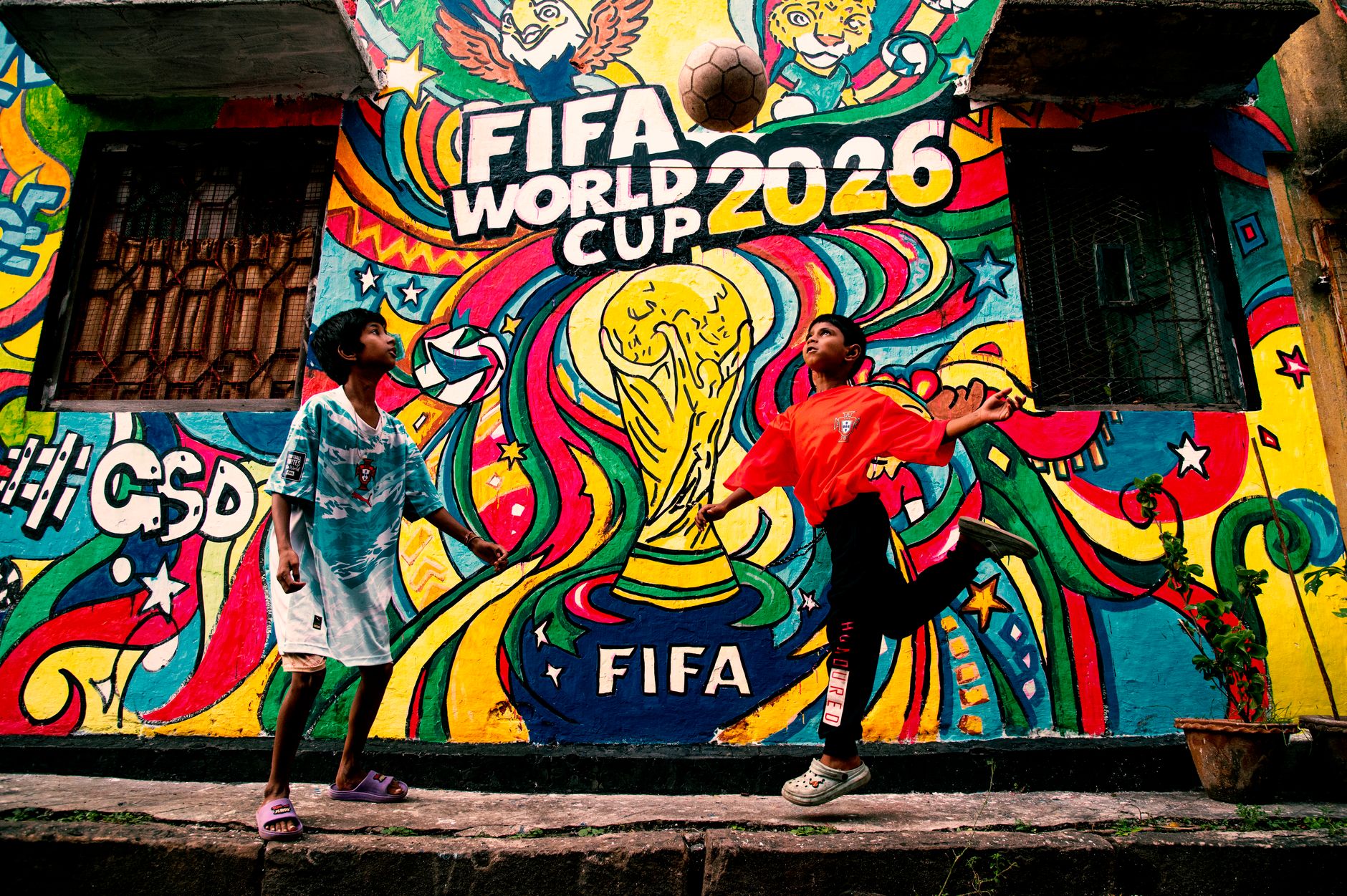
Specifically, the Google-owned video platform chose to stay on the sidelines. According to industry reports, the company let the deadline pass without sending an offer. Therefore, soccer’s governing body faces a smaller pool of potential buyers. This shift could impact how fans watch matches in the future. You can read more about media shifts on Modween Media Trends.
The Bidding Landscape for the 2030 World Cup
Many top media giants dropped out of the race early. For example, Disney’s ESPN, Apple, and Skydance decided against making offers. Meanwhile, Sports Business Journal reported that companies face massive financial pressures. Budgets are tight because firms must save money for other sports leagues like the NFL and NHL.
Consequently, the race for live sports content is changing fast. Netflix and Amazon Prime Video remained in the mix with competitive bids. Additionally, Fox partnered with TelevisaUnivision on a joint offer. These moves show that streaming services still value major sports. However, they are also careful about how much cash they spend on single events.
Scheduling Hurdles and Viewing Windows
The next tournament brings unique logistical challenges. Specifically, the 2030 World Cup will take place in Morocco, Portugal, and Spain. Furthermore, Saudi Arabia is set to host the event in 2034. As a result, live viewing windows will be far less favorable for U.S. audiences compared to past tournaments.
These awkward time zones made some buyers hesitant to spend top dollar. Broadcasters must weigh production costs against expected ad revenue. Therefore, fewer bids could weaken FIFA’s negotiating power. You can also explore insights on Modween Sports Business for deeper analysis on broadcast deals.
Looking Ahead at Global Soccer Broadcasting
The recent tournament set new records for U.S. viewership. Millions of fans tuned in to watch the matches on TV and digital streams. Despite this massive success, networks are acting with caution. They want to protect profit margins in a crowded digital marketplace.
Ultimately, the media rights market is entering a new phase. Companies want smart deals rather than costly bidding wars. As the year ends, FIFA plans to meet with remaining bidders to finalize the agreements. Soccer fans will soon learn which network wins the rights to the upcoming games.
For in-depth context, see Send Overhaul England: New Appeals and Rights Explained. For in-depth context, see Artificial Intelligence Deep Dives.
Frequently Asked Questions
What are the main developments regarding 2030 World Cup?
Recent updates confirm key advancements and strategic moves surrounding 2030 World Cup, impacting industry standards and market adoption.
Why is 2030 World Cup significant for the market right now?
Analysts highlight that 2030 World Cup establishes a new benchmark for efficiency and security, driving broader institutional and consumer interest.
What should users expect next from 2030 World Cup?
Upcoming milestones point toward accelerated rollout schedules, feature enhancements, and continued integration across modern workflows.
What impact will this Entertainment development have over the next 12 months?
Reader poll (non-scientific). Share your perspective below or join the discussion in the comments.