
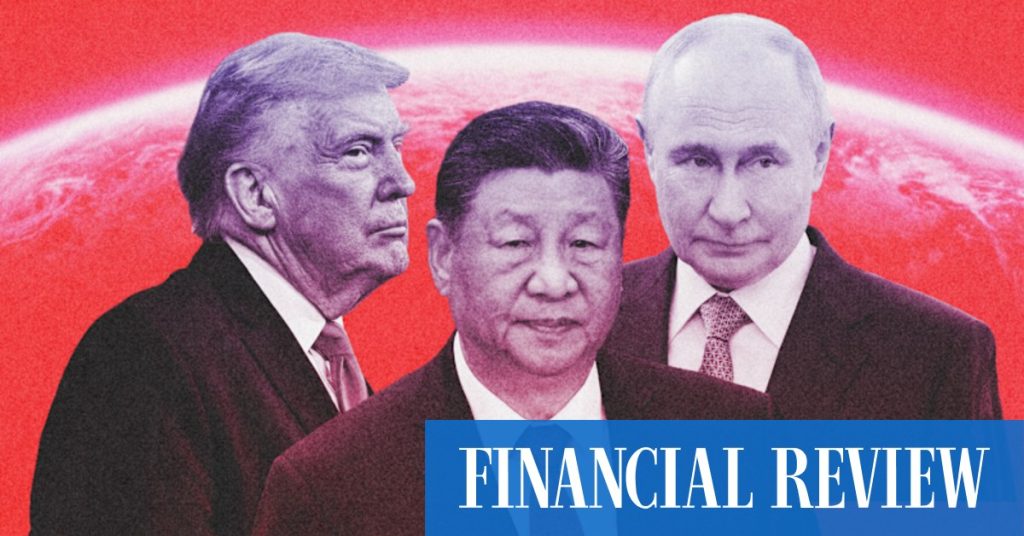
When world leaders gather for major diplomatic events, modern security teams prepare massive infrastructure upgrades. For instance, the Australian Financial Review notes that host cities often deploy high-tech translation tools and striking street displays. Trump Xi and Putin meetings represent a rare convergence of global influence where leaders shape international trade and security rules.
Diplomats prepare extensive security measures to manage these high-profile visits smoothly. Specifically, host cities transform local streets into secure zones while welcoming foreign delegations. However, critics often question whether such lavish summits yield lasting policy changes or remain mere photo opportunities.
Analyzing the Diplomatic Stage
International summits require months of careful backstage negotiations between rival superpowers. Therefore, officials establish strict protocols before leaders ever shake hands in public. Meanwhile, intelligence agencies coordinate safety plans to prevent security breaches during public appearances.
Economic agreements often top the agenda when major heads of state convene. Leaders typically discuss trade tariffs, supply chain security, and currency policies. Consequently, global markets react swiftly to any announcements emerging from these high-stakes discussions.
Local authorities often spend millions on urban renewal projects to impress visiting dignitaries. For example, massive floral displays and flashing skyscraper lights project an image of prosperity. However, taxpayers frequently debate whether these short-term expenses benefit local communities in the long run.
Behind the Scenes of Global Power
Behind closed doors, bilateral talks allow leaders to address sensitive geopolitical disputes directly. For example, territorial claims and regional conflicts demand intense diplomatic maneuvering. Additionally, nations attempt to secure favorable resource deals while minimizing political concessions.
Public relations campaigns also play a massive role in shaping how citizens view these gatherings. Governments broadcast carefully curated images to project strength and unity at home. Yet independent observers look past the flashy displays to evaluate actual policy shifts.
Negotiators spend countless hours drafting joint communiques that satisfy multiple domestic audiences without causing offense. Every single word in these documents undergoes intense scrutiny from legal and political advisors. Therefore, vague language often replaces concrete commitments to keep fragile coalitions intact.
What History Teaches Us
Past summits show that grand declarations rarely translate into immediate legislative action. Instead, treaties take years of grueling bureaucratic work to finalize and implement. Readers can learn more about past negotiations by checking our guide on global diplomacy trends for deeper context.
Furthermore, unforeseen global events can completely derail carefully planned summit agendas. Leaders must constantly adapt their strategies to address sudden economic shocks or security crises. Ultimately, true geopolitical stability depends on consistent daily diplomacy rather than single meetings.
Historical precedents suggest that personal chemistry between leaders matters less than structural national interests. When strategic goals align, agreements happen despite personal friction. When interests clash, even the friendliest handshakes fail to produce lasting peace.
What Does This Mean for Readers?
Average citizens often wonder how high-level superpower meetings impact daily life and household finances. Specifically, shifts in international trade policy can alter the cost of imported goods, electronics, and energy. Consequently, ordinary people experience the ripple effects of summit diplomacy through inflation and job markets.
Meanwhile, many critical details remain entirely unknown while closed-door negotiations take place. Public statements often gloss over bitter disagreements regarding territorial disputes and cyber security rules. Therefore, analysts must monitor subsequent policy changes rather than trusting optimistic press releases.
Readers can protect themselves by staying informed on global economic shifts and supply chain updates. You can read our analysis on tech innovation future to understand these digital shifts. True preparedness comes from understanding broader macroeconomic trends rather than reacting to short-term news cycles.
Story Timeline: Trump, Xi & Putin Diplomatic Summits
Track this developing story from beginning to end across all published reports in our newsroom coverage tree below.
U.S. midterm results and rising cost-of-living concerns are driving expectations for a finalized U.S.-India trade deal by year end.
Kai Trump reveals Tiger Woods is a great mentor who helps her with golf. The couple confirmed their relationship in March 2025 according to recent reports.
Explore the implications of a potential Trump Kim meeting in China. Discover how this summit could shape regional security and international policy.
Discover how Trump Xi and Putin meetings shape international trade and security rules, exploring whether major diplomatic summits yield real policy shifts.
Discover why Trump Xi and Putin meet in China for the APEC summit. Explore key updates on global trade, tech security rules, and market impacts.
Discover why Putin supports upcoming trilateral talks with US and Chinese leaders, and learn what this means for global trade and politics.
Frequently Asked Questions
Are these summits legally binding?
Most summit agreements require formal legislative approval before becoming strict international law.
Why do host cities spend so much?
Host governments invest heavily in infrastructure to showcase national prestige and ensure VIP safety.
Do leaders negotiate alone?
No, teams of specialized diplomats, economists, and legal experts draft every single policy document.
Can citizens influence summit outcomes?
Citizens primarily influence outcomes through democratic elections and consumer choices that pressure local leaders.
What impact will this Digital Trends development have over the next 12 months?
Reader poll (non-scientific). Share your perspective below or join the discussion in the comments.