
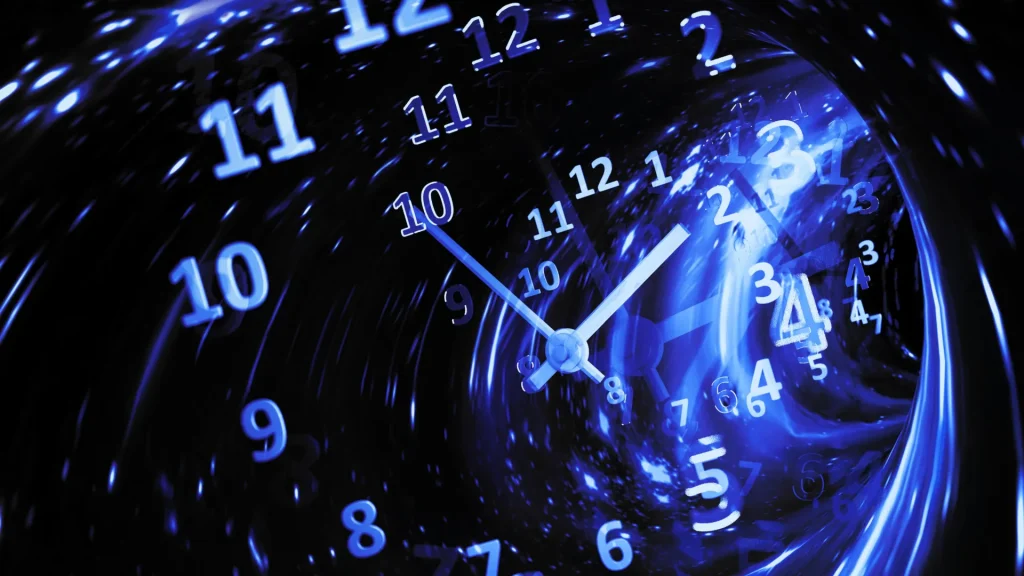
Advanced tests using an atomic clock show that time may flow at different speeds simultaneously due to hidden quantum effects. Researchers at Science Daily recently published groundbreaking findings that challenge our basic view of physics. Scientists now have reliable ways to measure these strange shifts in reality.
How Does an Atomic Clock Measure Time?
An atomic clock tracks the vibrations of atoms to measure time with extreme precision. Traditionally, experts assumed time moved at a steady pace everywhere. However, new studies suggest that quantum mechanics can alter how time passes on a microscopic scale. Researchers use these ultra-precise devices to detect minute shifts in frequency.
Furthermore, these high-tech systems reveal that gravity and quantum states interact in unexpected ways. Analysts at modween research labs explain that measuring these anomalies requires extreme lab conditions. Without such high precision, tiny environmental flaws would hide these fast fluctuations from human instruments.
Why Do Scientists Test Time Dilation?
Physicists test time dilation to bridge the gap between quantum mechanics and general relativity. Albert Einstein showed that gravity bends time, but quantum physics adds chaotic layers to the mix. Specifically, particles can exist in multiple states at once, creating a complex web of overlapping realities.
Meanwhile, tech teams at modween technology updates note that better clocks improve global satellite navigation. For instance, GPS satellites rely on precise atomic timing to map locations accurately on Earth. Any shift in time tracking can disrupt global communication networks.
What Lies Ahead for Physics?
Looking ahead, researchers plan to run more tests to confirm how quantum superposition affects daily reality. As technology improves, we will likely map these time anomalies with even greater accuracy. Therefore, our fundamental understanding of the universe is set for a massive and exciting update.
Image source: https://www.sciencedaily.com/releases/2026/11/261120075558.htm
Frequently Asked Questions
How Does an Atomic Clock Measure Time?
An atomic clock tracks the vibrations of atoms to measure time with extreme precision. Traditionally, experts assumed time moved at a steady pace everywhere. However, new studies suggest that quantum mechanics can alter how time passes on a microscopic scale. Researchers use these ultra-precise de
Why Do Scientists Test Time Dilation?
Physicists test time dilation to bridge the gap between quantum mechanics and general relativity. Albert Einstein showed that gravity bends time, but quantum physics adds chaotic layers to the mix. Specifically, particles can exist in multiple states at once, creating a complex web of overlapping re
What Lies Ahead for Physics?
Looking ahead, researchers plan to run more tests to confirm how quantum superposition affects daily reality. As technology improves, we will likely map these time anomalies with even greater accuracy. Therefore, our fundamental understanding of the universe is set for a massive and exciting update.
What impact will this Digital Trends development have over the next 12 months?
Reader poll (non-scientific). Share your perspective below or join the discussion in the comments.