
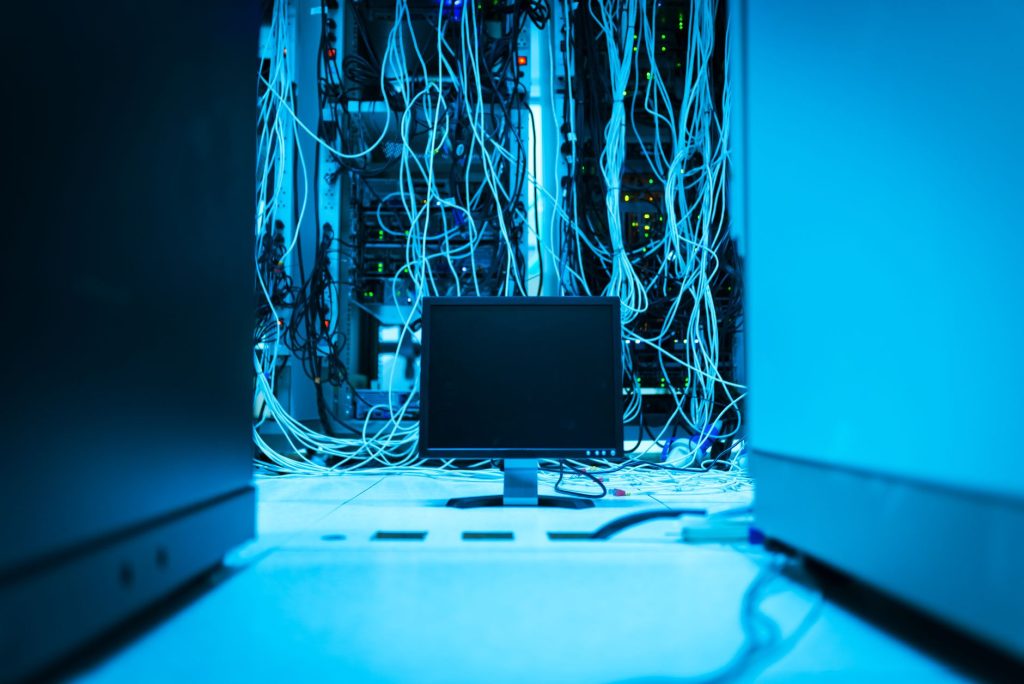
Recent US tech outages rattled users nationwide, but experts say most incidents are isolated maintenance events, rather than coordinated cyberattacks. This article explains why these disruptions matter and what they reveal about modern digital resilience. When multiple major systems fail at once, public anxiety spikes quickly. However, understanding the underlying mechanics of network management helps separate routine updates from actual threats.
Why Maintenance Causes US Tech Outages
Companies routinely update software to patch security holes and defend against emerging threats. These routine upgrades often require brief downtime to apply core changes safely. Consequently, everyday users see short outages that are not signs of a hack or malicious breach. The main goal of these actions is to protect sensitive data and keep enterprise networks secure. When maintenance starts, engineering teams monitor server performance very closely. They test new settings before launching them to the live public environment. This careful approach limits larger operational failures. As a result, most downtime events are planned, managed, and remarkably short.
Government Response and Official Network Monitoring
Federal agencies continuously monitor critical networks for active threats and foreign interference. They report that recent US tech outages stem directly from legitimate software upgrades and system modernization. The administration shares transparent updates through official communication channels. Citizens can easily check corporate status pages for real‑time info during unexpected hiccups. Additionally, the government collaborates closely with industry leaders to improve overall cybersecurity standards. Officials promise to keep the public fully informed if new evidence ever emerges. This transparency builds vital public trust. The primary focus always remains on restoring affected services quickly.
Infrastructure Upgrades and AI Acceleration
Artificial intelligence speeds up software updates and database reconfigurations significantly. Companies deploy automated patches faster today just to stay competitive in a crowded market. However, this rapid deployment pace can lead to simultaneous downtime across completely different market sectors. The result creates a pattern that looks coordinated on social media, but is actually coincidental. Older legacy systems often struggle to integrate new AI tools smoothly. Therefore, upgrades must be meticulously planned by skilled engineers. Industry experts view this technical evolution as essential for national security. The push for modernization brings temporary disruptions, but it ultimately strengthens our digital defenses against bad actors.
Preventing Future Disruption in Critical Networks
Businesses continue to invest heavily in robust backup systems to protect core data. They review system logs daily to spot early errors before failures cascade. Proactive measures significantly reduce downtime for everyday consumers and enterprise clients. Meanwhile, corporate leaders refine communication protocols to address system glitches swiftly. Companies also improve disaster recovery strategies to ensure continuity. These steps enable faster restoration of online services after an unexpected event. The industry shift is moving rapidly from reaction to prevention. A reliable digital environment benefits all stakeholders involved in modern commerce. For broader context on related challenges, you can read about Cybersecurity Policy Urged by Leavitt After Tech Crashes or explore Emergency Alert Test Causes Confusion After Outages. You can also review general background information on information technology via Wikipedia.

Frequently Asked Questions
Are recent US tech outages connected to cyberattacks?
Government officials confirm there is zero credible evidence linking these events to hackers or foreign threats. The available data suggests routine maintenance is the primary cause.
Why did multiple major platforms fail at the same time?
Organizations are performing simultaneous security upgrades and patch updates on aging infrastructure. This coincidental timing creates the false appearance of a coordinated event.
What should everyday users do during a system outage?
Users should remain calm and check official corporate channels for real‑time status updates. Avoid spreading unverified rumors on social media platforms.
How can I stay informed about future outages?
Follow official status pages and reputable news outlets. Sign up for alerts directly from your service providers to receive timely updates.
What impact will this Cybersecurity development have over the next 12 months?
Reader poll (non-scientific). Share your perspective below or join the discussion in the comments.