
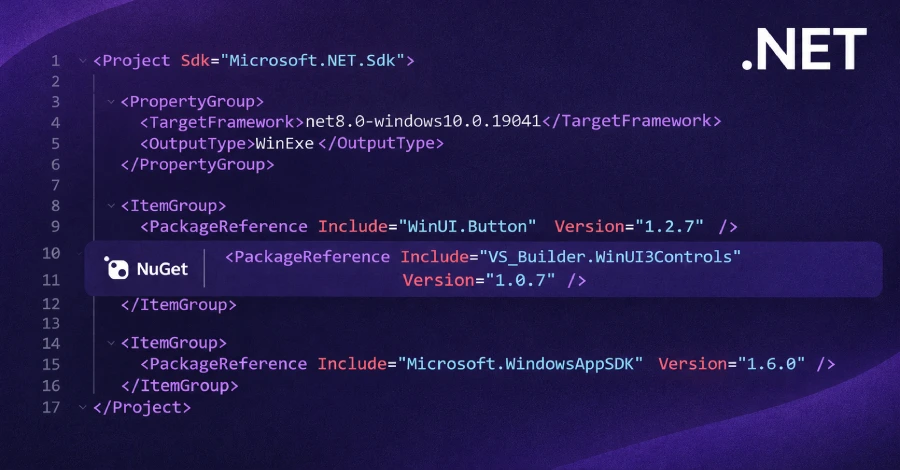
Cybersecurity researchers discovered 13 malicious NuGet packages designed to target Windows .NET developers using fake take-home job assessments and weaponized code dependencies. This software supply chain campaign exploits recruitment processes to deliver malware directly into secure developer environments. Security analysts at The Hacker News reported that the campaign utilizes fraudulent GitHub repositories to compromise workstations and steal sensitive developer credentials.
Key Points:
- Researchers identified 13 malicious NuGet packages associated with this supply chain attack.
- Attackers disguised the malicious code inside fake take-home coding assessments for .NET developers.
- Building the compromised project automatically triggered hidden scripts that downloaded external malware.
- Threat actors also used Web3 freelance marketplaces and fake profiles to lure victims into downloading payloads.
- Security teams recommend analyzing unfamiliar code inside isolated virtual machines to protect enterprise systems.
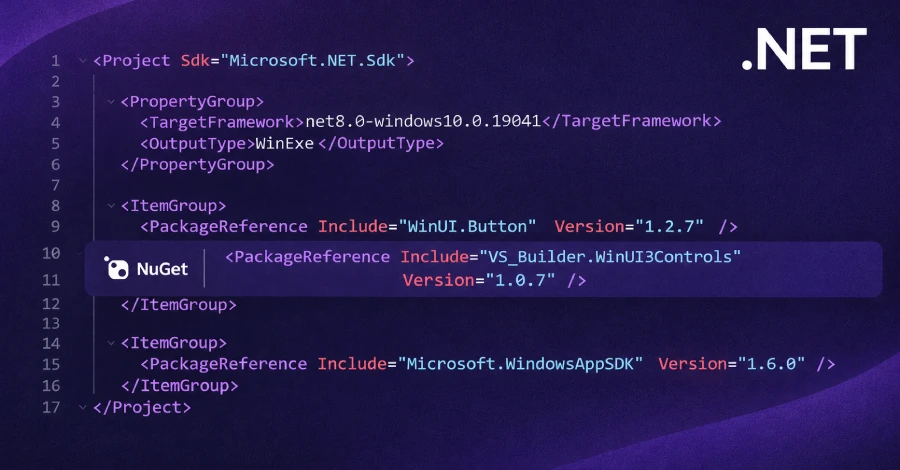
Image source: The Hacker News
How Fake Coding Tests Threaten Developer Workstations
Cybersecurity teams face rising threats as adversaries weaponize routine developer tasks through sophisticated recruitment scams and compromised dependencies. Attackers published bogus NuGet packages that masqueraded as standard WinUI 3 and WPF user interface button controls. When developers built or ran these projects on native Windows machines, the hidden scripts downloaded malicious binaries from GitHub. Socket security researcher Kush Pandya explained in a Dark Reading report that building the take-home test was enough to execute malicious code.
The Infection Chain and DLL Sideloading Techniques
Cybersecurity analysts traced the complex infection chain to see how malicious NuGet packages execute custom DLLs during a standard build process. Packages such as VS_Builder.MSBuildAnalyzer shipped with a custom targets file that ran an unauthorized DLL after every project build. This background script downloaded external files and copied system binaries to establish DLL sideloading routines. Such techniques allow attackers to bypass standard endpoint security controls and gain persistent access to sensitive corporate networks.
Web3 Job Lures and Crypto Wallet Targeting
Cybersecurity experts uncovered additional threat infrastructure when attackers advertised high-paying freelance positions on Web3 platforms like LaborX. Threat actors used fabricated profiles to distribute single-file .NET applications disguised as crypto wallet analyzers. These utilities secretly inventoried browser extensions and digital asset wallets while establishing covert connections to command-and-control servers. Researchers noted that these multi-stage attacks highlight the extreme risks associated with running unverified third-party software from untrusted online sources.
Background and Context
Cybersecurity supply chain attacks have evolved significantly as threat actors increasingly target the software development lifecycle rather than traditional perimeter defenses. Developers routinely handle powerful credentials, API keys, and production access tokens that make their personal workstations high-value targets. Organizations must implement strict package management policies and regular code audits to prevent malicious dependencies from entering official repositories.
Why It Matters and What Happens Next
Cybersecurity leaders must treat compromised developer machines as severe enterprise incidents rather than simple malware infections because stolen credentials grant immediate internal access. Security teams should immediately isolate affected workstations, revoke compromised API tokens, and mandate secure virtual environments for evaluating candidate code. Industry collaboration between package registries and threat intelligence firms remains essential for quickly identifying and removing fraudulent libraries.
| Package Name | Framework | Malicious Action |
|---|---|---|
| WinUI3IconButton | WinUI 3 | Downloads GitHub payloads |
| VS_Builder.MSBuildAnalyzer | MSBuild | Executes custom build DLLs |
| WinUI.Button | WPF | Pulls remote executables |
What impact will this Cybersecurity development have over the next 12 months?
Reader poll (non-scientific). Share your perspective below or join the discussion in the comments.