
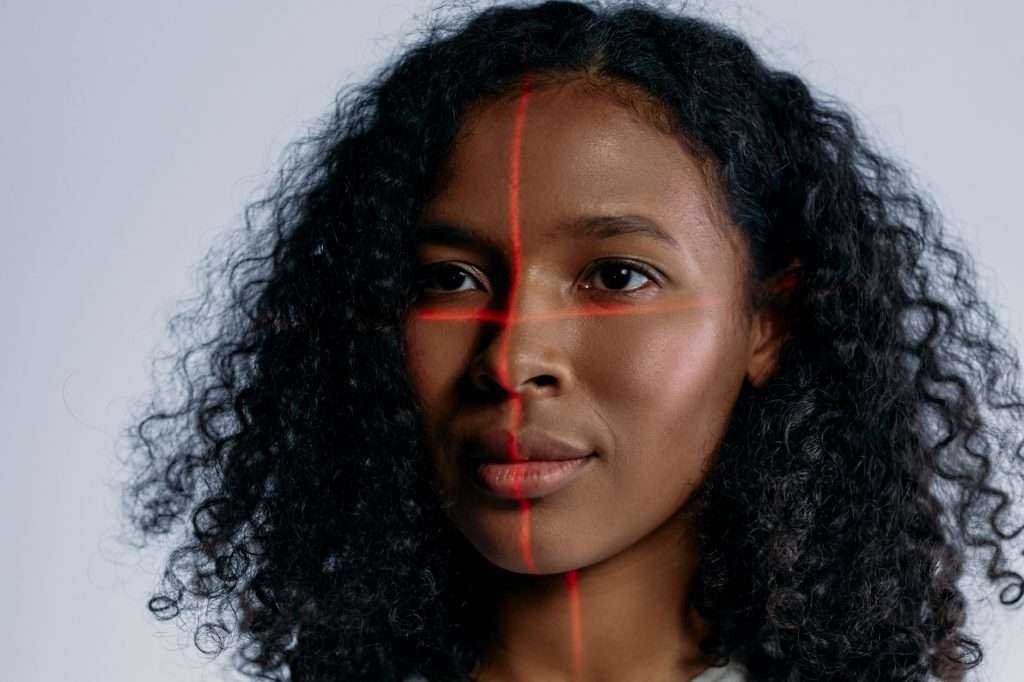
Facial recognition errors put ethnic minorities at serious risk of wrongful arrest, according to an official report published by His Majesty’s Inspectorate of Constabulary (The Guardian). The findings affect everyday citizens, particularly people from minority backgrounds who face higher rates of misidentification by police using retrospective software systems. Therefore, understanding these risks is essential for modern civil liberties protection across communities.
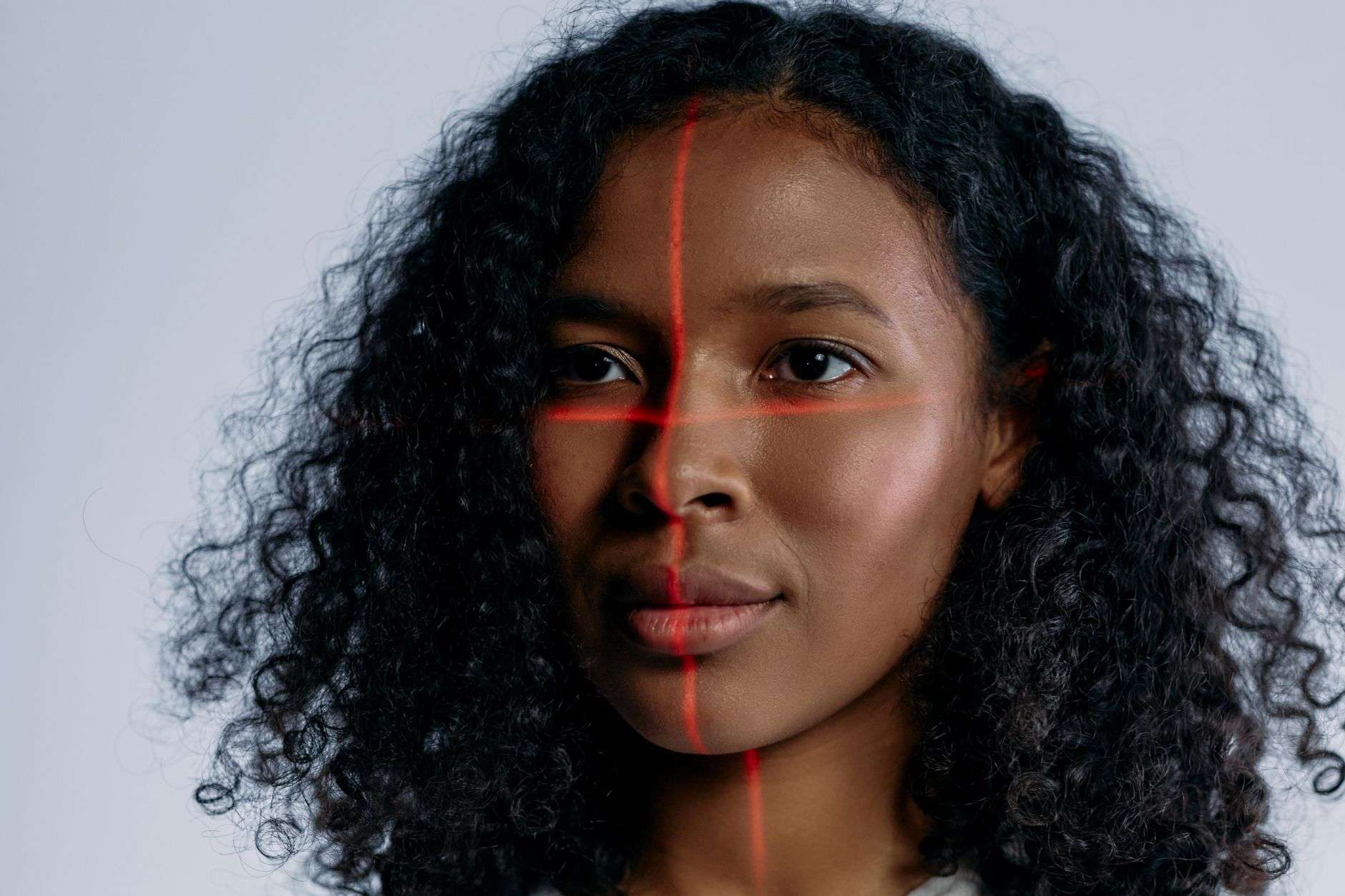
Why do facial recognition errors happen?
Police officers risk arresting innocent people if they treat inaccurate retrospective facial recognition data as verified evidence rather than unverified intelligence. Inspectors discovered that some investigators acted on potential algorithmic matches without conducting enough corroborative inquiries. In addition, the official oversight document notes that legislation has failed to keep pace with rapid technological advancements in automated surveillance tools.
Operators occasionally uploaded poor-quality probe images containing multiple faces or blurriness. These technical oversights severely degraded system reliability and triggered inappropriate investigative actions in multiple forces. Furthermore, investigators failed to log every instance of retrospective technology deployment comprehensively across jurisdictions.
How do facial recognition errors impact minority communities?
Ethnic minority populations face a heightened threat of wrongful detention because the underlying algorithms are more likely to incorrectly flag minority individuals as criminal suspects. Civil liberties groups, everyday citizens interacting with law enforcement, and officers navigating a lack of comprehensive legislation are directly impacted by these systemic gaps. Big Brother Watch representatives warned that individuals could become suspects without understanding the underlying accusations.
Law enforcement personnel also face operational risks due to inadequate statutory frameworks and outdated national standards governing digital surveillance. Without clear legal definitions and robust oversight mechanisms, individual officers are left vulnerable to misinterpreting probabilistic software outputs as conclusive proof of identity during active criminal investigations. Also, readers can explore broader compliance topics through corporate compliance and executive background checks to see how regulatory standards apply elsewhere.
What do facial recognition errors mean for readers?
Our analysis indicates a fundamental operational failure where probability scores are confused with conclusive proof, requiring citizens to scrutinize how police handle custody data. Because transparency remains low, many people also monitor digital habits and online data footprints, similar to strategies outlined in breaking the loop: a practical guide to managing digital habit loops.
| Operational Factor | Reported Issue | Potential Consequence |
|---|---|---|
| Algorithmic Bias | Higher misidentification rates | Wrongful suspicion for minorities |
| Data Usage | Treating matches as evidence | Inappropriate enforcement action |
| Data Retention | Unlawfully retained custody images | Compromised public confidence |
Readers must remain aware that retention practices regarding custody images directly influence algorithmic accuracy and overall civil liberties protections across communities. In addition, organizations must maintain strict data governance standards, much like principles discussed regarding understanding venture capital board seats and conflict management.
What is still unknown about facial recognition errors?
The full extent of unlogged retrospective searches remains undocumented because police forces do not consistently record every instance of technology usage. Furthermore, the exact timeline for implementing a comprehensive statutory framework to govern these automated systems has not been established by lawmakers.
Additional uncertainties persist regarding the exact scale of unlawfully retained custody images stored across various regional police databases. Experts note that without transparent auditing and independent oversight, the public cannot verify whether algorithmic settings have been sufficiently adjusted to eliminate demographic disparities entirely. For further reading on public sector systems, see official resources on WHO guidelines.
Furthermore, technology researchers often compare algorithmic surveillance risks with infrastructure resilience challenges, such as those detailed in reports on understanding wide-area grid disturbances and modern power system resilience. Maintaining rigorous institutional oversight prevents catastrophic systemic failures across all automated public networks. In addition, readers can review leadership accountability via understanding the Nvidia investigation and Jensen Huang affair for corporate parallels.
Frequently asked questions about facial recognition errors
What causes algorithmic bias in facial recognition?
Algorithmic bias occurs when software systems are trained or calibrated in ways that produce disproportionately higher error rates for specific demographic groups, notably women, Black people, and Asian individuals.
Why are retrospective searches controversial?
Retrospective searches analyze historical CCTV or digital images against vast databases containing millions of custody photos, raising severe privacy concerns regarding retention and accuracy.
How can police prevent wrongful arrests?
Officers must treat system outputs strictly as intelligence, ensure thorough human verification, discard poor-quality probe images, and enforce strict independent corroboration before taking any enforcement action.
Are there international standards for biometric data?
International regulatory bodies continue to debate strict statutory controls to govern automated surveillance and protect citizens from unlawful profiling.
What impact will this Cybersecurity development have over the next 12 months?
Reader poll (non-scientific). Share your perspective below or join the discussion in the comments.