

In today’s fast-evolving landscape, understanding Crypto Supporter Tom is essential. Pro-industry advocate Representative Tom Emmer secured the role of House Republican minority whip following internal party ballots, keeping a prominent digital asset proponent in a top leadership rank. This appointment directly places a key financial technology champion into high-level congressional talks as lawmakers navigate upcoming legislative sessions. Because the political landscape is shifting, industry observers and digital currency firms are closely tracking how these leadership choices might alter federal policy.

Crypto Supporter Tom: What changed for Tom Emmer in leadership?
Representative Tom Emmer transitioned from majority whip to minority whip following a 103-76 secret ballot victory over Texas Representative August Pfluger. The Minnesota lawmaker retains his high-ranking position within the House leadership team, working alongside incoming Minority Leader Jim Jordan as political dynamics shift in Washington. Furthermore, this internal vote highlights the ongoing influence of digital asset advocates within congressional party ranks Cointelegraph.
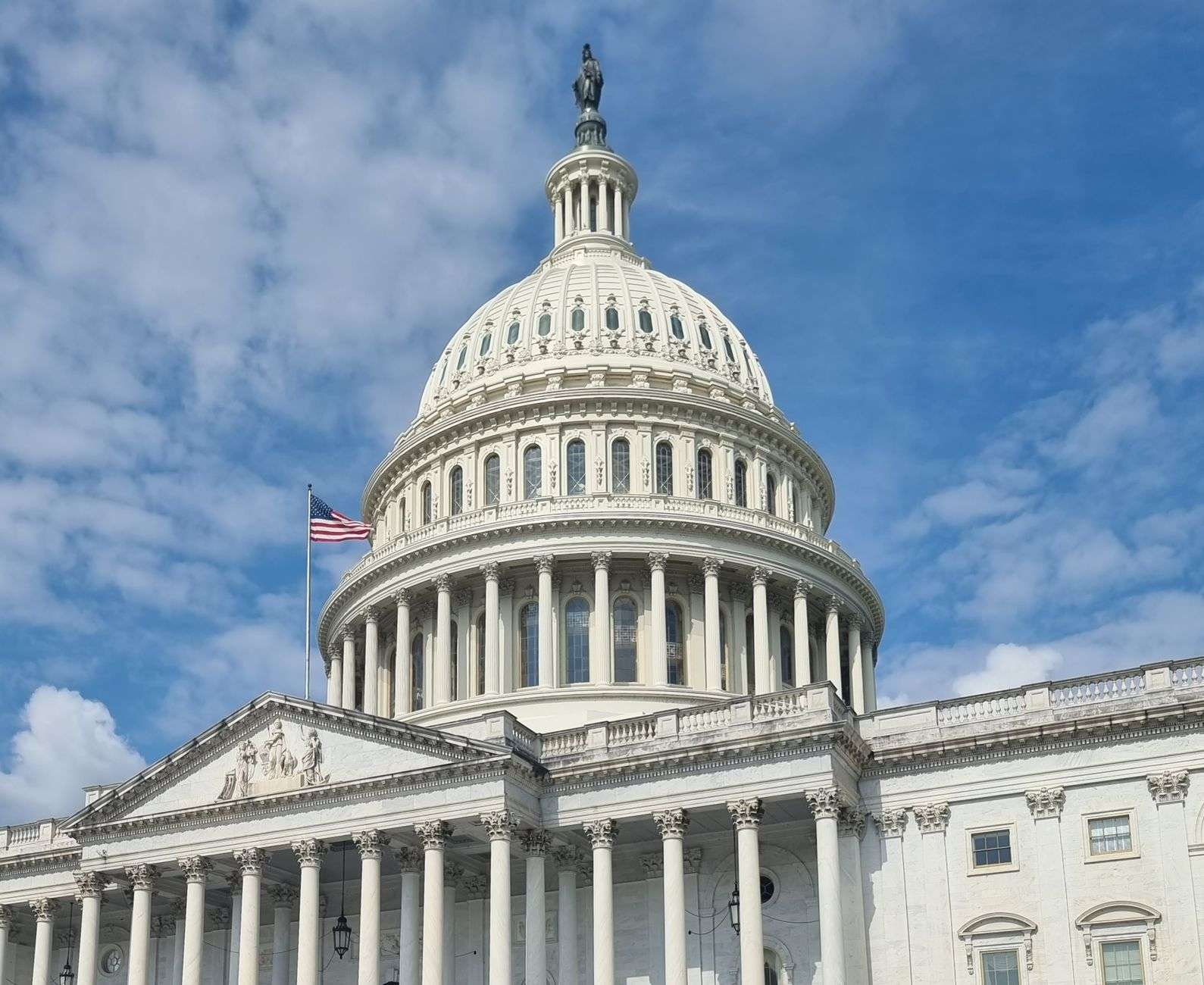
Who is affected by the Tom Emmer appointment?
Digital currency developers, blockchain infrastructure providers, and financial technology advocacy groups navigate altered legislative pathways under the newly constituted congressional leadership. Industry participants rely on congressional champions to advance specific regulatory frameworks for stablecoins and market structures while countering central bank digital currency proposals. In addition, organizations dealing with corporate compliance and executive background checks in the semiconductor industry or related tech sectors watch these policy shifts closely. Readers can also review Understanding the Nvidia Investigation and Jensen Huang Affair for related corporate governance news, or check out Nvidia CEO Jensen Huang Investigation & Corporate Governance for more market context.
What does the Tom Emmer role mean for readers?
Analysis of the leadership election reveals a strategic positioning for digital asset policy within the upcoming legislative term. While the opposing party holds congressional control, the retention of a pro-innovation leader in the No. 2 GOP spot ensures sustained advocacy for bills like the Blockchain Regulatory Certainty Act. Therefore, readers interested in tech policy can expect continued legislative debates regarding decentralized finance and digital property rights. For broader insights on technology compliance, see Corporate Compliance and Executive Background Checks in the Semiconductor Industry.
| Leadership Role | Assigned Official | Key Responsibility |
|---|---|---|
| Minority Leader | Jim Jordan | Directs overall legislative strategy |
| Minority Whip | Tom Emmer | Rallies party votes and unity |
What is still unknown about upcoming bills?
The exact timing and floor consideration for standalone digital asset bills remain undetermined as committee assignments and institutional agendas take shape for the upcoming session. Observers await formal announcements regarding whether bipartisan coalitions established through the Congressional Crypto Caucus will successfully advance stablecoin legislation past committee hurdles. However, early indicators suggest that technology discussions will remain a prominent fixture on Capitol Hill.
Frequently Asked Questions
What position did Tom Emmer win?
Representative Tom Emmer secured the position of House Republican minority whip following a secret ballot vote against Texas Representative August Pfluger during internal congressional party elections.
Who did Emmer defeat in the vote?
Tom Emmer won the leadership contest by defeating Texas Representative August Pfluger by a margin of 103 to 76 votes during the closed-door party ballot.
What is the Congressional Crypto Caucus?
The caucus is a bipartisan legislative group announced by Emmer and Representative Ritchie Torres to mobilize congressional support for digital asset statutes, including stablecoin regulations.
How does this affect digital asset legislation?
The retention of a pro-crypto leader in a top GOP role helps ensure continued advocacy for innovation-friendly policies and market structure bills despite shifting congressional majorities.
What impact will this Crypto & Blockchain development have over the next 12 months?
Reader poll (non-scientific). Share your perspective below or join the discussion in the comments.