
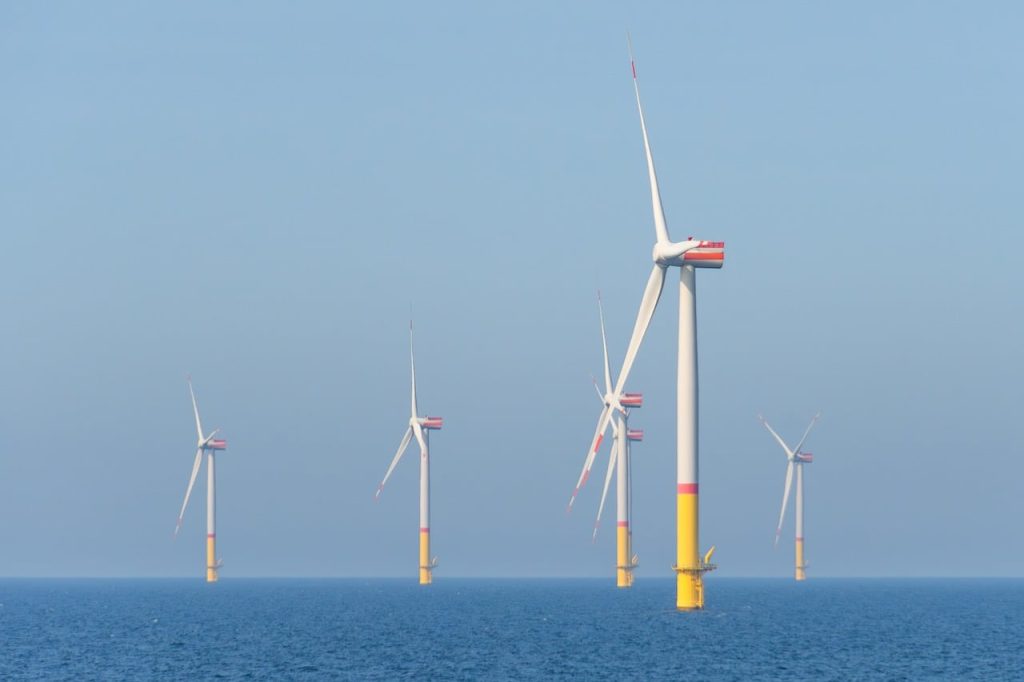
Using surplus wind power for Bitcoin mining offers a novel approach to addressing renewable energy curtailment and transmission bottlenecks across the UK. When grid congestion prevents clean power from reaching consumer markets, flexible digital loads can absorb excess generation right at the source, turning potential waste into valuable computational output. Because surplus wind power for Bitcoin mining is gaining traction among policy groups, operators are rethinking how stranded energy can be monetized effectively.

Using Surplus Wind: Understanding Energy Curtailment and Grid Bottlenecks
Energy curtailment occurs when renewable generators face transmission limits because electricity cannot move freely across existing power grid infrastructure. Grid bottlenecks often leave remote regions with an excess of clean power that cannot reach consumer markets efficiently. Therefore, industry experts and policymakers are evaluating innovative ways to utilize surplus wind power for Bitcoin mining before clean electricity goes completely to waste.
When transmission lines are congested, operators face difficult choices in balancing supply and demand. Rather than letting generation capacity go completely unused, flexible computing loads can absorb excess energy on demand. However, building this infrastructure requires careful planning to ensure local grid stability and long-term economic viability.
How Surplus Wind Power for Bitcoin Mining Helps Balance the Grid
Cryptocurrency mining operations are uniquely suited to act as interruptible power loads in remote regional contexts. Because mining hardware can be powered up or ramped down rapidly based on real-time grid conditions, operations can step in when excess energy threatens to cause network imbalances. As a result, miners help stabilize demand patterns while providing financial returns to renewable operators.
By setting up mobile or modular mining facilities near remote wind installations, operators can capture power that would otherwise face curtailment. In addition, this localized consumption provides valuable flexibility for grid operators managing regional imbalances. For broader insights into how heavy computational infrastructure evolves, see our analysis on whether we will put data centers in space.

Evaluating Practical Implementation Challenges
Implementing large-scale computing infrastructure in remote areas involves significant logistical hurdles. Developers must account for hardware cooling, ongoing maintenance, and establishing reliable data connections away from major urban centers. Furthermore, deploying surplus wind power for Bitcoin mining requires close coordination with local transmission authorities.
Policymakers also face the complex task of designing transparent guidelines that encourage technological innovation while ensuring grid security remains a top priority. For related perspectives on high-demand infrastructure and resource constraints, read our report on why 2027 is the worst RAM shortage in history. In addition, readers can explore broader digital efficiency trends through our overview on Windows 11 for developers settings every user should turn on.
Key Takeaways for Renewable Operators
Grid bottlenecks frequently prevent remote wind power from reaching major population centers, creating severe financial inefficiencies. Flexible computing loads can absorb excess energy to reduce potential waste and support local grid operators. Finally, ongoing proposals suggest utilizing surplus wind power for Bitcoin mining to offset renewable curtailment costs.
Frequently Asked Questions
What causes renewable energy curtailment?
Curtailment happens when transmission infrastructure lacks the capacity to transport all generated electricity from remote generation sites to active demand centers.
How can flexible mining help energy operators?
Miners offer a responsive load that helps balance local supply and demand dynamics, turning stranded or curtailed power into a monetizable asset.
Sources and Further Reading
What impact will this Crypto & Blockchain development have over the next 12 months?
Reader poll (non-scientific). Share your perspective below or join the discussion in the comments.