
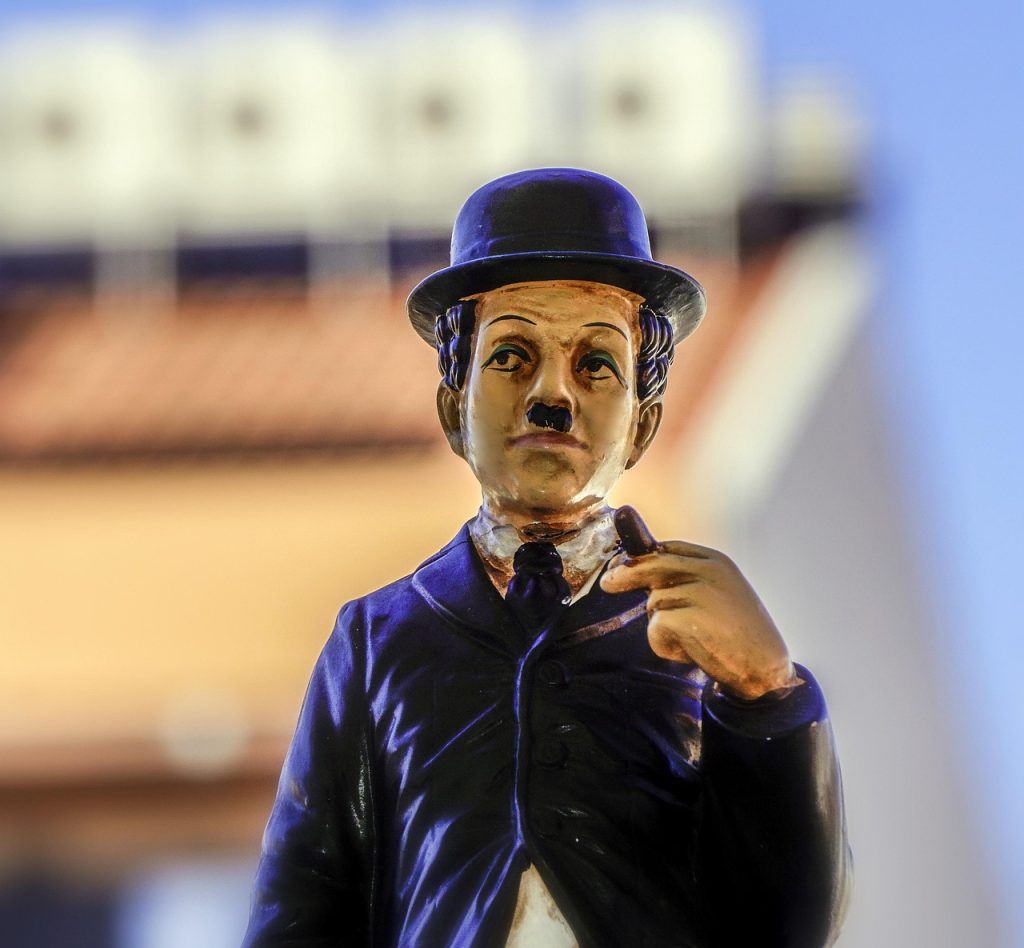
A breakthrough UK actor agreement now requires studios to obtain explicit consent before any digital replica can be utilized in a film or television production. Therefore, performers gain robust control over their virtual likenesses while securing guaranteed compensation for every single project deployment. This landmark deal also establishes higher pay scales across the entertainment sector, creating a vital legal precedent for media professionals worldwide. Specifically, the framework ensures that talent can navigate modern software shifts without losing ownership of their personal brand.
Consequently, the framework clearly defines a digital replica as any scanned 3D model or software-generated likeness of a performer. Production houses can no longer rely on outdated blanket contracts to reuse virtual assets without fresh permission. Instead, studios must negotiate specific terms for every upcoming release, which successfully shields talent from uncompensated exploitation. Furthermore, the union secured a 24% wage increase for major film roles alongside a 9% boost for television work. Readers seeking broader labor insights can explore artificial intelligence economic risks to understand current market shifts.
How Studio Rules Have Changed for a Digital Replica
Production studios now face strict guidelines regarding how a digital replica enters active workflows. Specifically, producers must submit a written request for every scene involving a virtual double, and they are entirely barred from deploying digital lookalikes during active strikes. As a result, planning timelines require extra time for legal clearance, but this step ultimately builds strong trust between creators and cast members. For instance, a studio planning a sequel must budget for explicit consent fees before shooting begins. Additionally, industry observers often check digital innovation ethics to evaluate corporate governance standards, while financial professionals look into modern corporate finance guides for budgeting strategies.
Moreover, the agreement mandates robust security protocols for storing all sensitive data files. Studios must restrict file access exclusively to personnel with a verified business need while utilizing industry-standard encryption methods. Consequently, the threat of unauthorized data theft or illegal copying drops significantly, protecting both performer privacy and corporate intellectual property. For further external reporting on these policies, you can read the comprehensive update published by The Guardian.
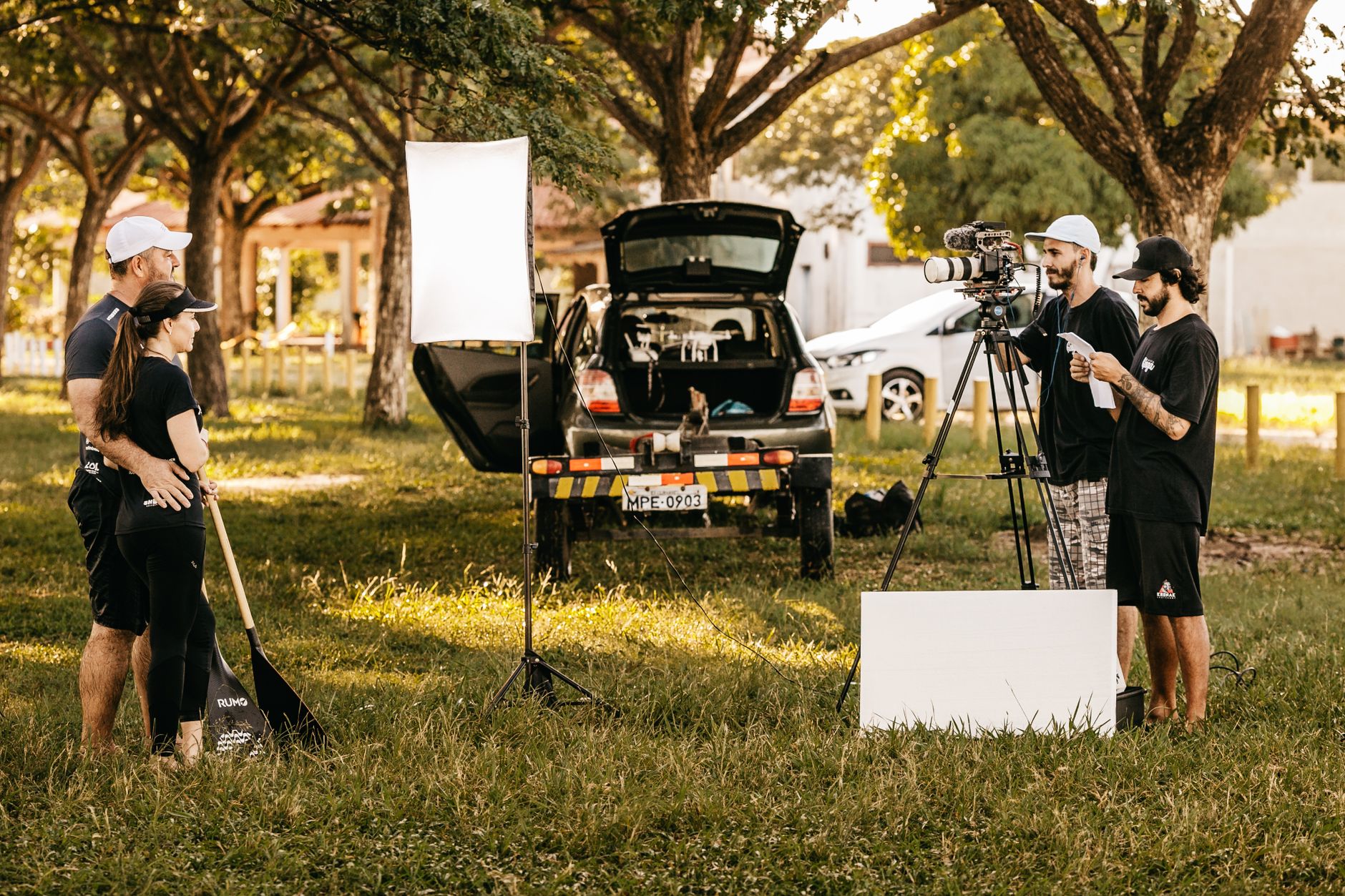
Financial and Safety Benefits for Performers
Beyond wage increases, the contract introduces essential safeguards for vulnerable or sensitive scenes. Producers must secure written authorization before any digital alteration modifies nudity or simulated sexual activity. Consequently, actors retain full autonomy over their physical depiction, even when software alters the final frame. Furthermore, studios must provide inclusive hair and makeup support on every set, ensuring equitable treatment for all cultural backgrounds. For additional perspective on global tech regulations, you may also review Wikipedia to understand how synthetic media laws evolve.
Future Trends in Entertainment Technology
Although the UK agreement sets a powerful benchmark, it does not completely ban using raw performance data to train machine learning models. Therefore, studios may still employ basic actor footage to refine motion-capture algorithms, provided they adhere to strict security protocols. This balance allows technological progress to move forward without sacrificing basic performer rights. Ultimately, as synthetic media tools grow more sophisticated, clear legal boundaries ensure human creativity remains central to modern storytelling.
Frequently Asked Questions
Do actors get paid for a digital replica?
Yes, performers receive explicit compensation whenever their digital likeness appears in a finished production. This ensures fair financial returns for every single deployment.
Can studios use a digital replica during strikes?
No, studios are strictly prohibited from deploying virtual doubles while a labor strike remains active. The new rules protect collective bargaining integrity.
What rules apply to sensitive scenes?
Producers must secure written approval before any digital software alters nudity or simulated sexual activity. Performers always maintain final control over their appearance.
What impact will this Artificial Intelligence development have over the next 12 months?
Reader poll (non-scientific). Share your perspective below or join the discussion in the comments.