
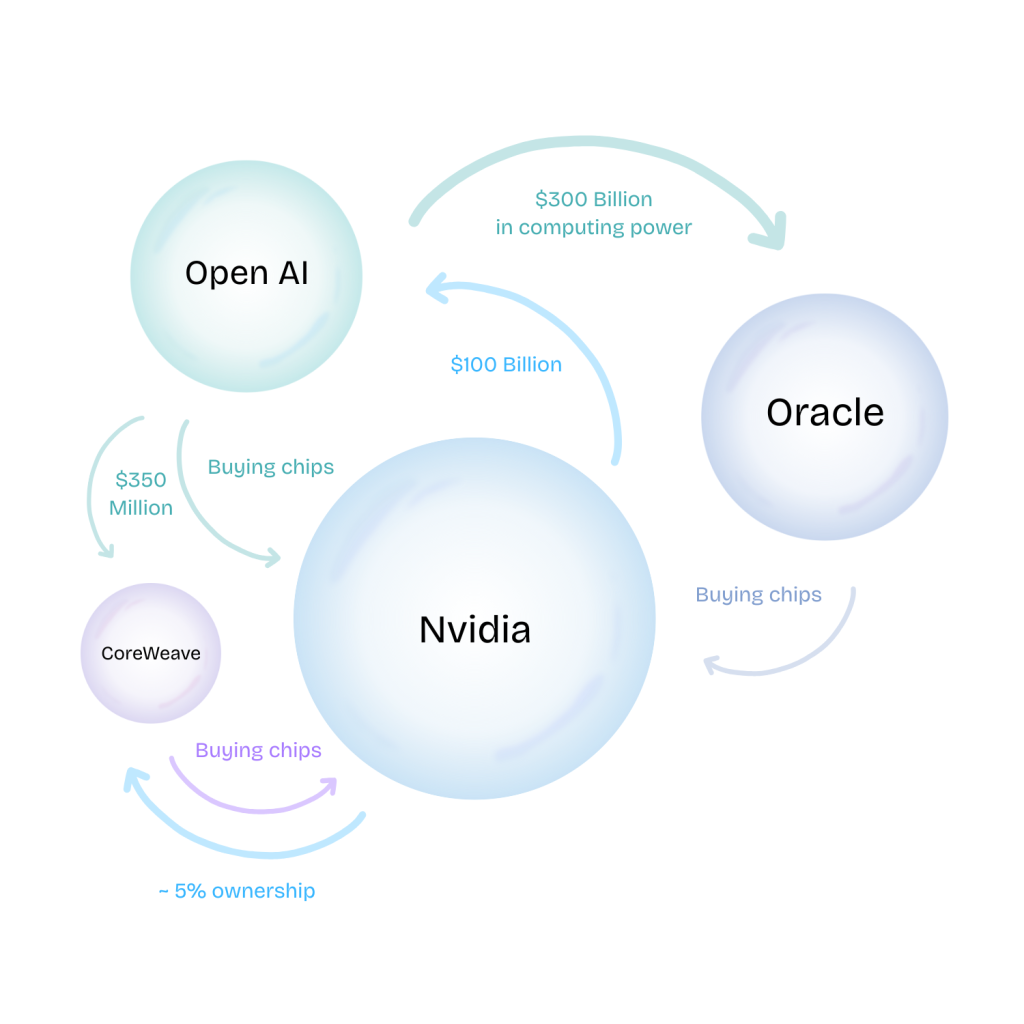
Former SEC Chair Gary Gensler recently warned that the current AI bubble will likely burst and trigger a significant recession before the 2028 presidential election. As massive capital flows into technology infrastructure, market experts now fear that excessive spending will lead to a painful financial correction. This analysis explores how reckless investment patterns and corporate instability threaten current market valuations.

Is the AI bubble heading toward a market crash?
Technology companies currently spend hundreds of billions of dollars annually to build power-hungry data centers and buy advanced computing hardware. However, historical patterns suggest that rapid overinvestment often leads to painful market corrections. For example, the dot-com crash of the early 2000s followed a very similar trajectory of exuberant spending. Therefore, many economists now fear that modern artificial intelligence projects may face a similar reality check in the coming years. Specifically, Gensler noted that firms are pouring capital into infrastructure faster than actual consumer demand can justify. As a result, companies might struggle to achieve the profits that shareholders currently expect.
When those financial returns fail to materialize, valuations will drop sharply across the board. Consequently, smaller firms and startups could face severe bankruptcies as funding dries up entirely. Furthermore, debt financing has accelerated rapidly as firms race to secure the latest hardware. Many organizations now rely heavily on off-balance-sheet arrangements to fund massive physical expansions. This financial leverage creates hidden vulnerabilities that standard risk models often fail to capture. Experts at Modween Finance suggest that monitoring debt levels is essential for modern risk management. History shows that whenever new technology receives this much unbridled investment, a period of stagnation typically follows.
How do leadership shifts impact the AI bubble?
The broader financial landscape is already showing signs of stress due to sudden corporate scandals and political shifts. Recently, Nvidia faced immense scrutiny following the abrupt departure of its longtime CEO, Jensen Huang. Additionally, political changes in Washington have caused panic among tech executives who fear stricter federal regulations on data centers. Meanwhile, major financial institutions continue to monitor these unfolding events with extreme caution. Furthermore, experts compare current market conditions to the historic railroad booms and the widespread adoption of electricity during the 1920s. Each of those technological revolutions sparked massive economic enthusiasm before experiencing painful retrenchments. US News reports indicate that debt levels within the sector exacerbate these underlying risks significantly.
Regulatory scrutiny is also intensifying as lawmakers question the environmental impact of expanding power grids. Data centers require massive amounts of electricity, straining local municipal supplies across the country. Consequently, local governments are beginning to push back against new construction permits. This regulatory friction could delay revenue generation for major cloud providers significantly. Investors are now watching how these logistical hurdles affect quarterly earnings reports. If revenue growth slows down, the pressure on heavily indebted tech firms will intensify. Ultimately, these factors create a volatile environment for anyone holding significant amounts of tech stock.
What are the long-term economic consequences?
Despite these dire warnings, several market optimists believe that heavy infrastructure spending will eventually yield massive profits. Prominent analysts argue that relentless demand for advanced graphics processing units will sustain major players through upcoming market cycles. Nevertheless, prudent investors should diversify their holdings to mitigate potential losses from an impending market correction. Ultimately, the upcoming years will test whether artificial intelligence can deliver on its massive financial promises. As regulators and economists sound the alarm, market participants must remain vigilant. Preparing for a potential economic downturn now can protect your portfolio against unforeseen shocks in the tech sector. Strategic asset allocation remains the best defense against macroeconomic uncertainty. Investors should review their exposure to high-growth technology stocks on a regular basis. By maintaining a balanced portfolio, individuals can navigate turbulent market conditions with greater confidence and financial security.
Frequently Asked Questions
Will the AI bubble lead to a total market collapse?
Gensler suggests major firms will survive, but smaller companies may face significant bankruptcy risks during the expected correction.
When is the potential recession expected to occur?
The former SEC Chair warns that an economic downturn could trigger precisely before the 2028 presidential election cycle.
Why are data centers causing financial risk?
Massive spending on power-hungry infrastructure requires significant debt, which often relies on speculative future revenue that may not materialize.
How should investors protect their portfolios?
Financial experts recommend diversifying assets and reviewing exposure to high-debt tech companies to mitigate potential volatility in the coming years.
For broader coverage and breaking updates, explore our latest Modween Technology News.
Frequently Asked Questions
Is the AI bubble heading toward a market crash?
Technology companies currently spend hundreds of billions of dollars annually to build power-hungry data centers and buy advanced computing hardware. However, historical patterns suggest that rapid overinvestment often leads to painful market corrections. For example, the dot-com crash of the early
How do leadership shifts impact the AI bubble?
The broader financial landscape is already showing signs of stress due to sudden corporate scandals and political shifts. Recently, Nvidia faced immense scrutiny following the abrupt departure of its longtime CEO, Jensen Huang. Additionally, political changes in Washington have caused panic among te
What are the long-term economic consequences?
Despite these dire warnings, several market optimists believe that heavy infrastructure spending will eventually yield massive profits. Prominent analysts argue that relentless demand for advanced graphics processing units will sustain major players through upcoming market cycles. Nevertheless, prud
Frequently Asked QuestionsWill the AI bubble lead to a total market collapse?
Gensler suggests major firms will survive, but smaller companies may face significant bankruptcy risks during the expected correction.
When is the potential recession expected to occur?
The former SEC Chair warns that an economic downturn could trigger precisely before the 2028 presidential election cycle.
What impact will this Artificial Intelligence development have over the next 12 months?
Reader poll (non-scientific). Share your perspective below or join the discussion in the comments.