
The November Pixel Drop status confirms that new software updates are active for supported Google devices across global regions. Specifically, these releases deliver improved connectivity and personalization features in staggered phases to protect server stability. Google uses this controlled deployment method to catch bugs before they reach all users. Consequently, you might notice delays when checking your device. Understanding this process reduces frustration while helping you manage expectations effectively.
Core Features and the November Pixel Drop Status
Google schedules deployments in stages to maintain robust server health. Consequently, this update brings specific personalization options and critical connectivity upgrades. Users anticipate these refreshes eagerly to maximize their hardware value. Managing expectations remains key during major rollouts like this one. It explains why some phones receive patches much sooner than others. Furthermore, checking settings can bypass routine queue delays.
For instance, navigating to system settings forces a direct server query. This action triggers an instant check for fresh update packages. Meanwhile, developers monitor telemetry data continuously to ensure stable performance across all hardware tiers. Most users experience zero critical failures during the transition. You can review our guide on hardware maintenance standards for related tech insights. Also, check mobile device technology on Wikipedia for additional background information.
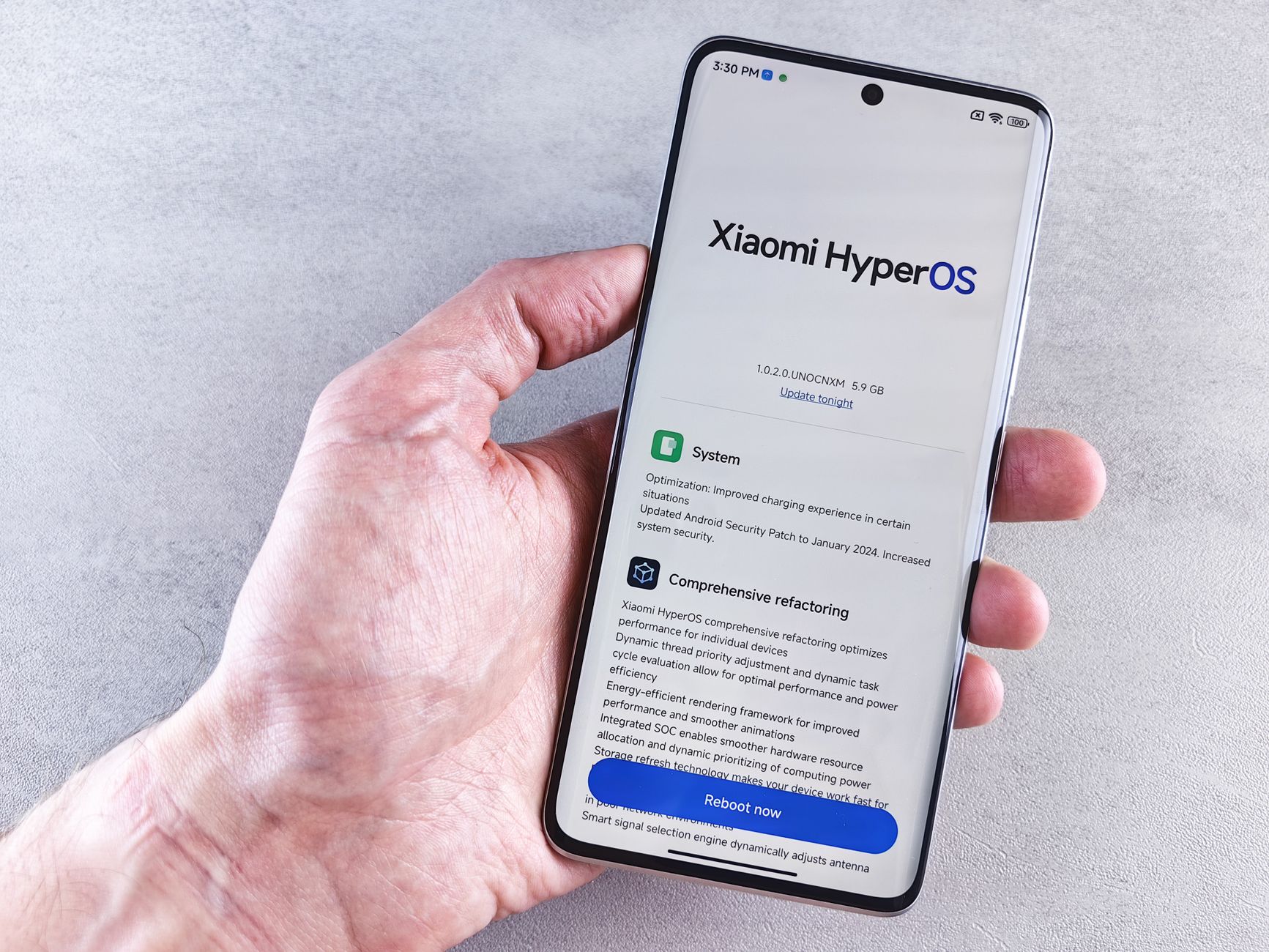
Analyzing the November Pixel Drop Status Rollout Timeline
Initial announcements detail broad system additions for compatible models. Yet, actual delivery takes days or weeks globally. Many updates have already landed on active consumer devices. Others continue rolling out in coming phases. Checking carrier notices ensures you know expected arrival times. System stability and carrier approvals influence overall delivery speed significantly.
Additionally, regional carrier testing creates noticeable scheduling variances. Unlocked models often differ entirely from carrier-bound devices. Major networks run strict validation cycles before public approval. Therefore, some owners see immediate notifications on their screens. Others wait up to a fortnight for the notification. If you follow modern tech infrastructure, read our article on UK broadband strain for network load insights. You can also review global health guidelines for general reference standards.
How to Check Your November Pixel Drop Status Manually
You can force a software check at any time on your phone. Navigate to your device settings first without waiting. Locate the system or about phone section carefully. Tap on system update to start the checking process. This step queries Google servers directly and bypasses automated schedules. As a result, it reduces waiting frustration for eager users.
However, a manual check does not guarantee instant file downloads. The package must still pass regional validation checks successfully. Carrier approvals remain a significant factor in timing. Some networks require additional security scans before final distribution. Consequently, minor delays persist for specific models. Patience remains essential during these high-traffic periods while servers manage millions of users.
Managing Expectations and the November Pixel Drop Status
Mobile technology progresses rapidly with each new system release. These updates provide essential avenues for advanced hardware capabilities. Users should track official change logs regularly to stay informed. Regional deployment notices help explain specific timing details clearly. Understanding release cycles ensures a much smoother transition when new files arrive.
Ultimately, recurring refreshes extend device lifespan significantly by patching vulnerabilities. Industry experts compare release cadences to track long-term support commitments. For broader perspective on software demands, review our report on compiler technology startups. Staying updated guarantees you never miss vital security enhancements.
What impact will this Android & Google development have over the next 12 months?
Reader poll (non-scientific). Share your perspective below or join the discussion in the comments.