
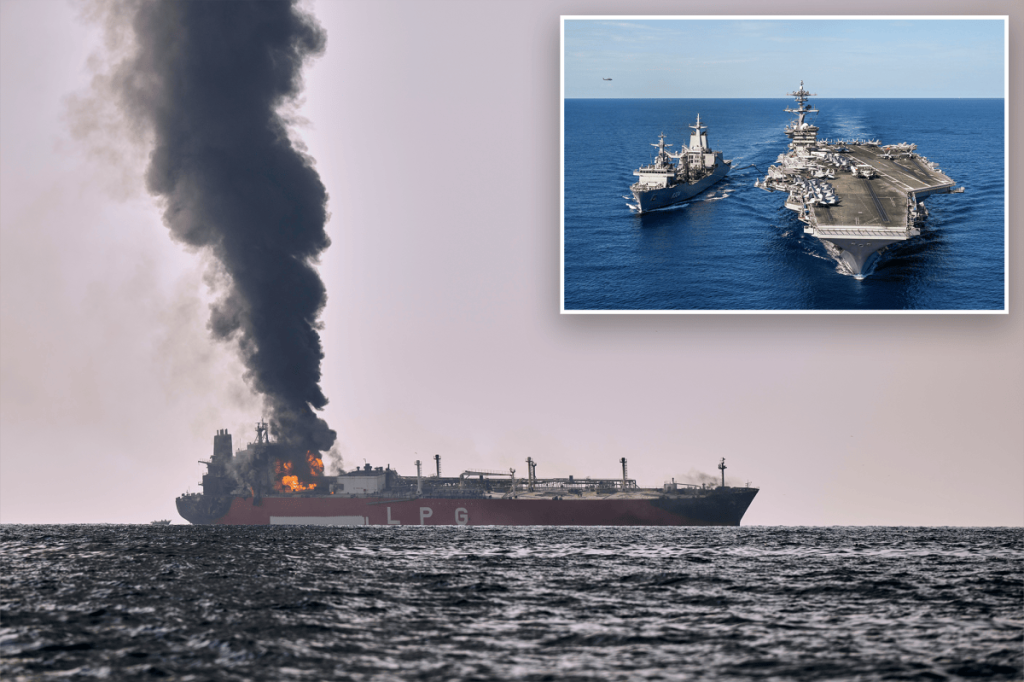
Iran has amassed more than 14 oil tankers at its primary export hub on Kharg Island to test a strict US naval blockade, according to a report published by the New York Post in November 2026. This tactical maneuver highlights Tehran's desperate push to revive crude oil exports following months of severe economic restrictions imposed by American forces.
Key Points:
- At least 14 tankers have gathered near Kharg Island, which manages nearly 90% of Iran's crude oil exports.
- US Central Command has warned that any ship receiving Iranian cargo at sea may face boarding or seizure.
- October marked the second consecutive month of zero significant crude oil loadings from Iran due to US restrictions.
- Industry firm TankerTrackers has characterized rumors of an imminent, high-stakes military convoy as likely inaccurate.
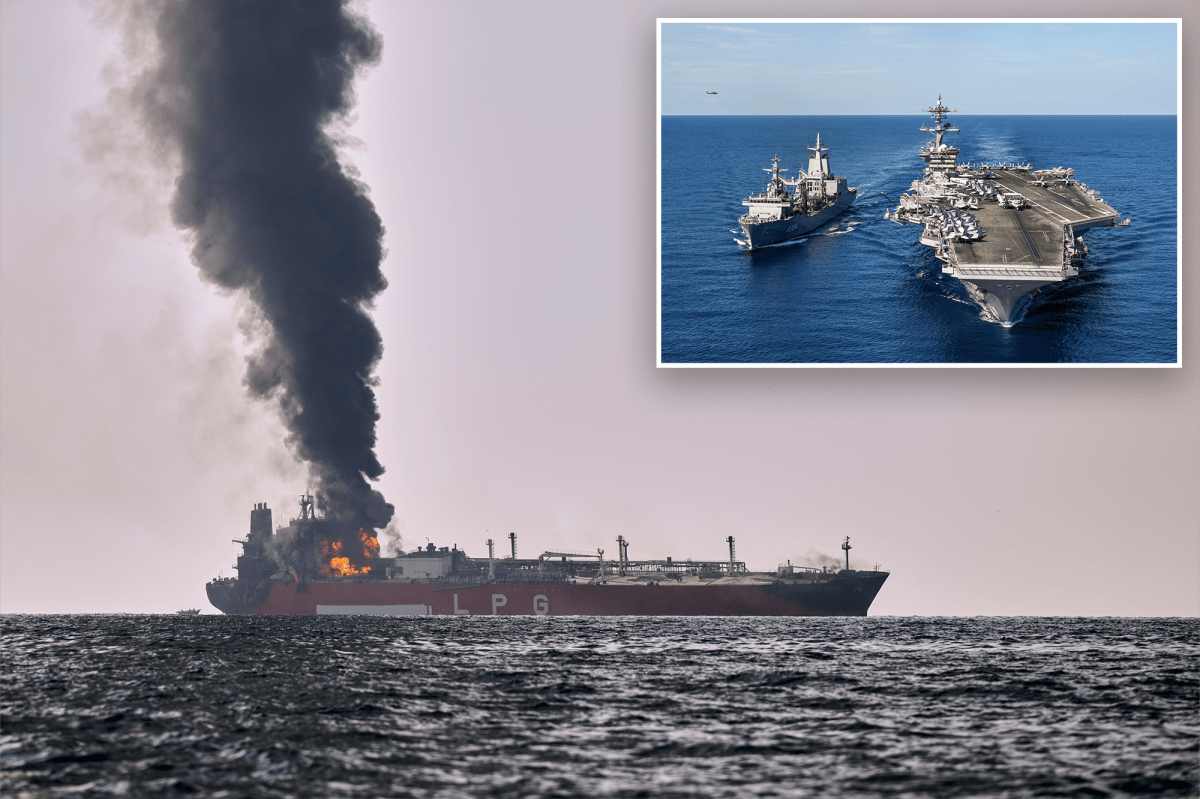
Will Iran Attempt to Break the US Naval Blockade?
Tehran is actively exploring methods to circumvent international restrictions, including ship-to-ship transfers to obscure the origin of its crude oil cargo. While state-linked media outlets have issued warnings of retaliatory strikes against regional infrastructure, independent maritime intelligence firms remain skeptical that a formal, organized convoy will intentionally challenge American military forces directly.
According to reports, maritime experts note that threats of force from sources linked to the Islamic Revolutionary Guard Corps are intended to deter interceptions. However, US Central Command has reinforced its posture, declaring that vessels facilitating transfers of Iranian goods—even outside Iranian waters—are subject to boarding, diversion, or capture to ensure compliance with the blockade.
Why It Matters and What Happens Next
The success of these export efforts represents a vital economic lifeline for Iran, which saw production plummet from 2 million barrels per day before the conflict to near-zero recent loadings. The diplomatic and financial stakes are high, as Iranian Foreign Minister Abbas Araghchi has publicly emphasized the necessity of breaking the blockade to restore state revenue.
Market analysts continue to monitor how shipping companies navigate these high-stakes restrictions across the region. With millions of barrels of capacity sitting idle, the upcoming weeks will determine whether clandestine transfers can successfully evade heightened naval patrols or if the standoff will deepen Tehran's ongoing fiscal isolation.
| Indicator | Pre-Blockade Status | Current Status (Nov 2026) |
|---|---|---|
| Daily Oil Loadings | ~2 million barrels | Negligible |
| Primary Export Hub | Kharg Island | Restricted/Monitored |
| Sanctioned Tankers Positioned | N/A | 31+ in Arabian Sea |
Background and Industry Context
Kharg Island serves as the centerpiece of Iran's energy infrastructure because its deep-water terminals are the only facilities capable of handling massive supertankers. Alternative ports, such as Jask, lack the storage capacity and depth required to maintain high-volume exports. As Washington tightens the enforcement perimeter, the logistical struggle to move oil without detection has pushed Tehran toward increasingly desperate measures, including ghost-tracking tactics and risky ship-to-ship crude transfers in the Persian Gulf.
Are the reports of a military convoy confirmed?
No, independent maritime intelligence firm TankerTrackers explicitly refuted the theory that an imminent, coordinated convoy is heading to challenge the blockade. Analysts suggest the gathered vessels are likely posturing or awaiting opportunities for smaller, clandestine transfers rather than engaging in a direct military confrontation with US naval units.
What impact will this World News development have over the next 12 months?
Reader poll (non-scientific). Share your perspective below or join the discussion in the comments.