
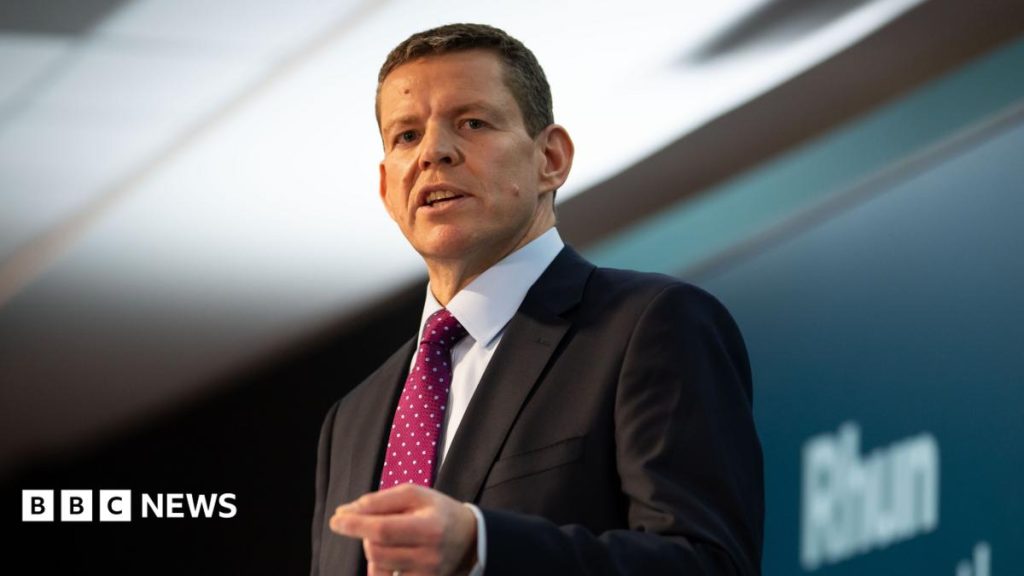
Plaid Cymru leader rhun ap iorwerth recently expressed profound shock after Andy Burnham dismissed sweeping regional devolution proposals. Specifically, political tensions escalated rapidly across the United Kingdom as local leaders clashed over administrative powers. According to primary reporting from the BBC, this unexpected public rejection stunned observers and key policymakers alike.

Why rhun ap iorwerth Reacted With Total Shock
Many political analysts expected broader cooperation between regional figures on matters of local governance. However, the Manchester mayor opted against supporting the ambitious decentralization model proposed by Welsh representatives. Consequently, rhun ap iorwerth described himself as completely gobsmacked by the sudden policy divergence. For example, previous discussions suggested a unified front on expanding local authority funding and legislative autonomy.
Meanwhile, critics from competing parties argued that decentralized structures require careful financial oversight before implementation. Therefore, cautious skepticism remains common among urban leaders managing complex municipal budgets. For broader context on regional governance models, you can read more about UK political shifts and contemporary local authority reforms.
Broader Political Fallout and Regional Reactions
Political friction of this magnitude rarely stays contained within local government circles. As a result, national commentators are already debating the long-term impact on inter-regional cooperation. Furthermore, voters are watching closely to see how regional figures navigate these public disagreements. For further background on decentralization debates, consult The Guardian’s political desk for expert analysis.
Looking ahead over the next twenty-four to forty-eight hours, expect additional statements from both Plaid Cymru and northern municipal offices. Although the immediate rift appears deep, strategic compromises could still emerge as legislative sessions resume. Ultimately, rhun ap iorwerth and his allies must recalibrate their devolution strategy to secure broader cross-border backing.
Future Projections for Devolution Debates
Navigating complex constitutional changes requires patience, steady dialogue, and robust public consensus. Specifically, regional leaders must address genuine concerns regarding funding allocation and accountability before moving forward. Additionally, public scrutiny will only intensify as citizens demand clear economic benefits from administrative reform. Readers interested in deeper policy insights can also review devolution impact analysis reports for comprehensive data.
Ultimately, this high-profile disagreement highlights the delicate balance of power within modern British politics. Whether rhun ap iorwerth can successfully revive these devolution talks remains a central question for the coming months. Meanwhile, political observers will continue monitoring every new development as regional leaders redefine their legislative ambitions.
What impact will this World News development have over the next 12 months?
Reader poll (non-scientific). Share your perspective below or join the discussion in the comments.