
The protect college sports act underwent a major revision recently, allowing athletic conferences to expand up to 22 member schools. According to ESPN, lawmakers updated the language to address ongoing shifts in collegiate athletics and future league alignments. Therefore, athletic directors across the United States are closely monitoring how these new conference caps will reshape traditional rivalries and television revenue distribution.
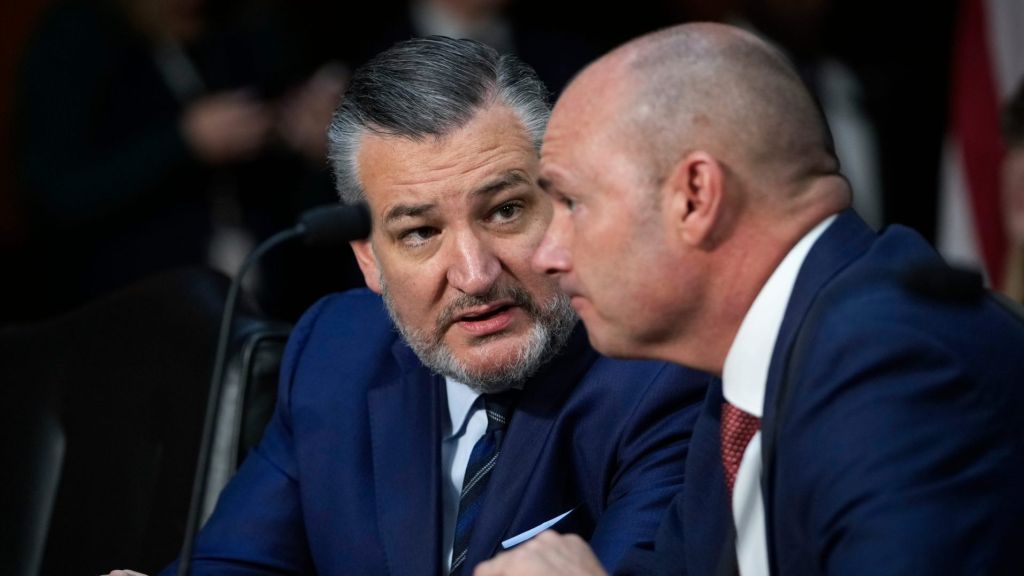
Meanwhile, political negotiations led by Senator Ted Cruz aim to secure bipartisan support before the legislative window closes. Industry experts note that athletic departments face immense financial pressure from recent legal settlements and player compensation demands. Consequently, federal intervention is viewed by many university presidents as the only viable path to establish uniform national rules for all Division I programs.
Why Did Lawmakers Revise the Protect College Sports Act?
Lawmakers updated the bill to give major conferences the flexibility to grow beyond current limits. Specifically, the revised draft permits leagues to reach up to 22 schools without triggering antitrust penalties. Furthermore, President Donald Trump voiced public support for the legislative push, which helped align conservative lawmakers behind the compromised framework. As a result, momentum for the bill accelerated significantly during recent congressional sessions.
However, critics warn that massive 22-team mega-conferences could destroy regional travel budgets for non-revenue Olympic sports. Additionally, smaller conferences worry about being left behind financially as broadcasting payouts concentrate at the top. For example, schools outside the Power Four risk losing vital postseason revenue if federal rules fail to mandate revenue-sharing protections.
What Impact Will This Have on NCAA Conferences?
The revised protect college sports act will fundamentally alter how athletic conferences negotiate media rights deals. Because leagues can now add more powerhouse programs, television networks may increase their total broadcast bids. However, administrators must balance these lucrative television payouts against the logistical nightmare of scheduling games across four different time zones.
Ultimately, the next 24 to 48 hours will prove critical as Senate committees vote on the final compromise package. If passed, universities will immediately begin scouting potential expansion candidates to fortify their market position. Industry analysts predict rapid realignment announcements before the upcoming academic year begins.
Modween Live Wire · Tier-1 Search Intelligence
TARGET REGION: United States (US) · SEARCH VELOCITY: 1000+
Real-Time Search Intent Briefing: This topic is actively surging in United States with high commercial search intent. Modween Editorial Desk provides continuous 24–48h narrative verification and trajectory modeling.
Verified developments, key stakeholder statements, and primary market corroboration across United States.
Anticipated regulatory filings, competitive reactions, schedule milestones, and audience sentiment evolution.
📸 Original Article Source & Photo Citation: Reported by ESPN · Cited under Editorial Fair Use & Reporting Guidelines.
What impact will this World News development have over the next 12 months?
Reader poll (non-scientific). Share your perspective below or join the discussion in the comments.