
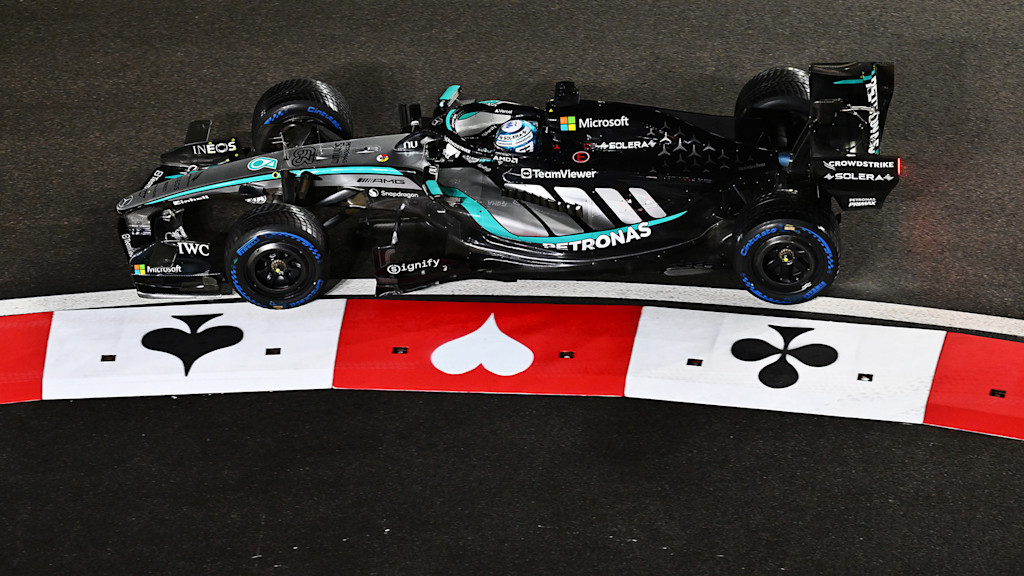
Unusual las vegas weather patterns have created new challenges on opening day. According to reports from the Mercedes-AMG PETRONAS F1 Team, unexpected rain clouds altered track conditions across the circuit. Fans and teams watched closely as cool temperatures and damp asphalt disrupted initial practice sessions. Meanwhile, drivers had to adapt their strategies quickly to cope with the low grip levels.
For more insights on motorsport updates, check out this motorsport guide. Additionally, you can review the 2026 racing schedule for upcoming events. These resources help fans stay informed throughout the season.
How Las Vegas Weather Impacts Race Strategy
Cold temperatures and moisture change tire wear rates significantly. Therefore, engineers must adjust setups to keep tires in the correct operating window. Furthermore, slipstreaming down the long straight becomes riskier when braking zones are slick. Consequently, teams rely heavily on real-time radar data to make split-second pit stop decisions.

As a result, practice sessions take on added importance. Drivers use every available minute to find the limit of adhesion. Specifically, they test different compound tiers to prepare for qualifying runs. However, changing skies make long-run data less reliable for race day planning.
Understanding Track Temperatures and Grip
Surface temperature plays a massive role in modern formula racing. When the asphalt cools down rapidly, cars lose crucial mechanical grip. Therefore, mechanics wrap tires in heated blankets to preserve core temperatures before they leave the garage. Moreover, drivers must weave side to side to build friction once they hit the pit lane.
Industry experts from Formula 1 official reports note that night races in the desert often bring unique thermal challenges. Unlike traditional afternoon events, ambient air drops fast after sunset. Meanwhile, local meteorological services track humidity levels closely to predict potential mist or light precipitation.
Developing Projections for the Weekend
Looking ahead to the next forty-eight hours, forecasters expect conditions to stabilize slightly. However, temperatures will remain lower than seasonal averages. Therefore, teams should expect similar handling characteristics during Saturday qualifying. Specifically, setups favoring high downforce might gain an advantage if moisture returns to the circuit.
According to weather updates from The Weather Channel, wind speeds may also increase by tomorrow evening. This variable adds another layer of complexity for aerodynamic engineers. Consequently, drivers must remain vigilant during high-speed sections where sudden gusts can unsettle the car.
Conclusion and Final Thoughts
Ultimately, shifting meteorological factors test the adaptability of every squad on the grid. While unexpected rain creates chaos, it also opens the door for strategic surprises. Fans can expect a thrilling weekend of motorsport action as teams battle both each other and the elements.
For in-depth context, see AI Landslide Warning Systems Track Natural Hazards. For in-depth context, see Artificial Intelligence Deep Dives.
What impact will this World News development have over the next 12 months?
Reader poll (non-scientific). Share your perspective below or join the discussion in the comments.