
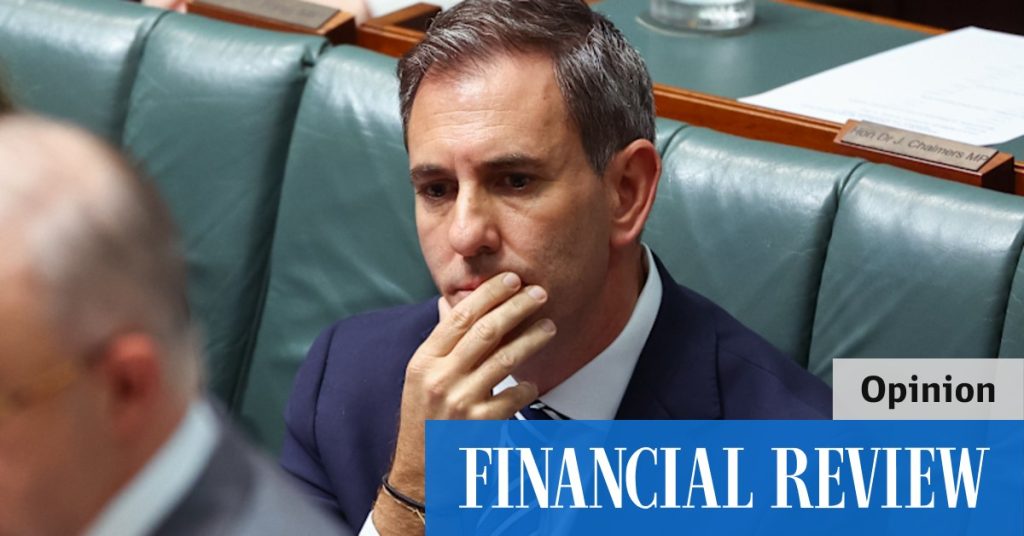
Federal Treasurer Jim Chalmers delivered a critical speech to parliament on Monday, outlining a fiscal strategy designed to control the political narrative ahead of the upcoming mid-year budget release in December. As reported by the Australian Financial Review, Labor MPs faced an unwelcome summer political message centered on spending restraint rather than popular economic expansion. This proactive parliamentary address aims to manage voter expectations before fiscal updates reveal tighter economic constraints and challenging national growth figures.
Key Points:
- Treasurer Jim Chalmers addressed parliament on Monday to frame the upcoming mid-year budget.
- Business investment, specifically driven by data centre expansion, remains a key bright spot in the data.
- The federal government plans to demonstrate net savings by spending less than it collects.
- Labor parliamentarians face difficult voter conversations regarding cost-of-living pressures over summer.
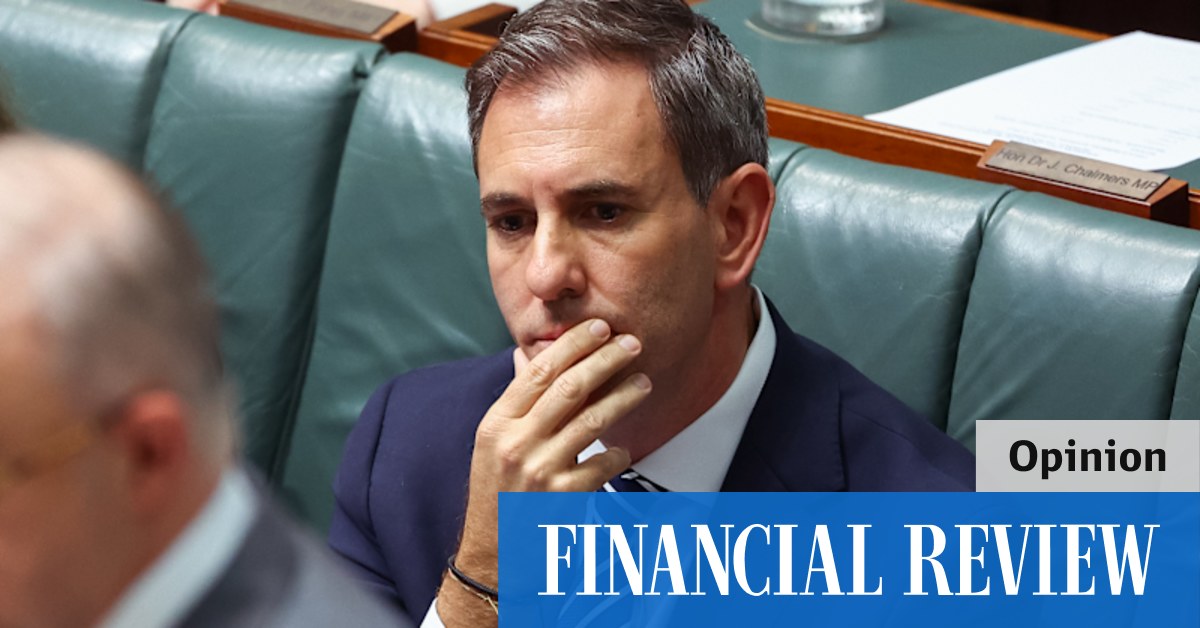
What Prompted Jim Chalmers' Parliamentary Speech on Monday?
Treasurer Jim Chalmers delivered his parliamentary address primarily to preempt negative economic disclosures and establish fiscal discipline ahead of the crucial mid-year budget update next month. According to analysis from the Australian Financial Review, the government needed to reset public expectations regarding federal spending constraints and revenue projections. By acknowledging fiscal realities early, the administration hopes to insulate itself from opposition attacks when official deficit or surplus figures are formally tabled in parliament.
How Does Business Investment Impact the Upcoming Budget?
Strong business investment figures, particularly massive capital expenditures directed toward digital data centres, provide a vital economic buffer for the federal government. The Australian Financial Review noted that this sector represents a rare scintilla of positive momentum amidst broader economic softening. Policymakers are leveraging these infrastructure investments to demonstrate ongoing private sector confidence despite high interest rates and persistent inflationary headwinds across the broader domestic economy.
Fiscal Strategy Comparison and Economic Indicators
| Metric Category | Previous Outlook | Current Budget Strategy |
|---|---|---|
| Government Spending | Moderate expansion | Strict net savings and restraint |
| Business Investment | Steady growth | Substantial increase via data centres |
| Political Messaging | Optimistic summer outlook | Preemptive fiscal realism |
What Remains Unresolved in Labor's Summer Political Strategy?
Despite the government's efforts to project fiscal prudence, significant questions remain regarding how ordinary households will perceive these austerity measures during the summer break. Political analysts tracking federal developments at Modween Politics and Modween Economic Desk continue to monitor voter sentiment shifts. It remains entirely unclear whether voters will accept restrained government spending as a necessary anti-inflation measure or punish incumbent MPs at local electorate office doors.
Frequently Asked Questions
When did Treasurer Jim Chalmers deliver his speech?
Treasurer Jim Chalmers delivered his strategic parliamentary address on Monday, aiming to frame the narrative ahead of the mid-year budget release scheduled for next month.
What is the primary positive data point in the upcoming budget?
Business investment, specifically driven by large-scale data centre developments, provides the main positive economic indicator highlighted by the federal government.
Why are Labor MPs concerned about their summer messaging?
Labor MPs face a challenging summer communicating fiscal restraint and spending cuts to constituents instead of popular spending announcements during cost-of-living pressures.
Where can readers find additional reporting on Australian federal politics?
Comprehensive coverage and primary source tracking are detailed by the Australian Financial Review alongside analysis from Modween.
What impact will this World News development have over the next 12 months?
Reader poll (non-scientific). Share your perspective below or join the discussion in the comments.