
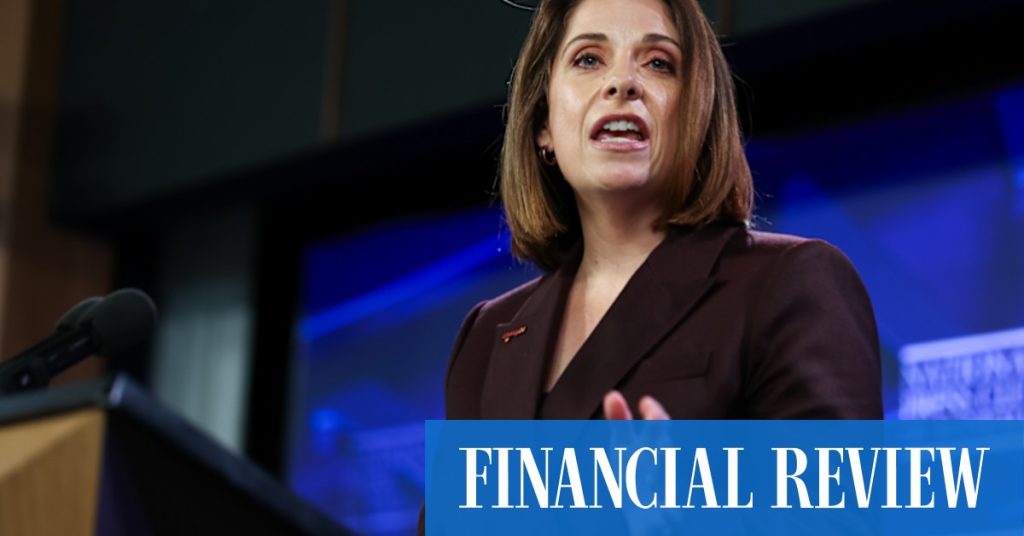
The federal government is preparing to let social media users to sue platforms like Facebook and Instagram for online safety breaches during the final parliamentary sitting week of 2026. Reported by the Australian Financial Review, this legislative shift aims to secure crucial support from the Greens while reshaping corporate accountability across the country.
Key Points: (see related coverage: Social Media Teen Mental Health Lawsuits Total 9,800 Active Cases)
- The Albanese government plans to allow direct user lawsuits against social media companies for safety breaches.
- The policy change is designed to win Greens backing for stalled legislation, including a 30 percent trust tax.
- Parliament faces a tight deadline in the final sitting week of 2026 to clear its legislative backlog.
- Negotiations also involve pushing the Coalition to establish a mandatory domestic gas reservation scheme.
Why social media users to sue platforms is proposed
Allowing everyday citizens to take legal action against major technology providers introduces direct accountability mechanisms into existing online safety frameworks. Legal experts note that this reform transforms passive regulatory oversight into active, citizen-driven enforcement against platforms that fail to protect vulnerable users. Parliament hopes these amendments will resolve long-standing disputes over digital harm provisions before the summer recess, ensuring that victims have tangible legal remedies against negligent tech conglomerates.
This policy pivot reflects intense political bargaining inside federal parliament. Prime Minister Anthony Albanese needs reliable cross-bench votes to clear essential economic bills before lawmakers depart for the year. By tying high-profile digital safety enforcement to broader tax and energy reforms, the government hopes to compel compliance from minor parties while projecting a strong stance against corporate tech negligence.
Legislative strategy and parliamentary negotiations
The Albanese administration is leveraging high-profile tech reforms to break a parliamentary deadlock on unrelated economic policies. Securing the votes of the Greens requires tangible concessions on corporate accountability and online safety standards. Prime Minister Anthony Albanese aims to balance these digital reforms alongside complex negotiations over trust taxation and energy security measures, creating a high-stakes legislative package for the final sitting days.
Political analysts at Modween Policy highlight that combining social media liability with tax policy is a calculated risk. While it increases pressure on cross-bench senators, it also unites technology lobbyists and business groups in opposition to the dual regulatory burdens. The outcome remains fluid as party leaders trade amendments behind closed doors.
| Legislative Measure | Primary Objective | Target Parliamentary Timeline |
|---|---|---|
| Digital Duty of Care | Allow user lawsuits against tech giants | Final week of 2026 parliament |
| Trust Tax Reform | Implement minimum 30 per cent tax | Current parliamentary sitting block |
| Gas Reservation Scheme | Secure domestic energy supply quotas | Before end of current session |
Why It Matters and What Happens Next
Introducing direct legal pathways for individuals transforms how multinational technology companies manage domestic safety compliance. Critics and industry groups warn that private lawsuits could overwhelm courts and prompt tech firms to restrict content aggressively. As parliament enters its final countdown, the success of these amendments depends entirely on cross-bench negotiations and Coalition positioning on energy policies.
Market observers and digital rights advocates at Modween Digital Trends suggest that if passed, this legislation could inspire similar private right-of-action frameworks across other Western jurisdictions. Tech firms must prepare for increased litigation risks, forcing legal departments to re-evaluate risk models and content moderation protocols across Australia.
Background and Industry Context
Australia has positioned itself at the global forefront of aggressive technology regulation through initiatives like the eSafety Commissioner and mandatory codes. Previous legislative efforts focused primarily on civil penalties issued by federal regulators rather than private civil litigation. This new push reflects mounting political pressure to address algorithmic harm, cyberbullying, and digital safety failures directly.
The shift toward citizen-led litigation stems from growing frustration with corporate responsiveness. Lawmakers argue that regulatory fines alone are insufficient to deter systemic safety failures. By empowering everyday users, the government hopes to create powerful financial disincentives that compel platforms to prioritize user protection over engagement metrics.
What impact will this World News development have over the next 12 months?
Reader poll (non-scientific). Share your perspective below or join the discussion in the comments.