
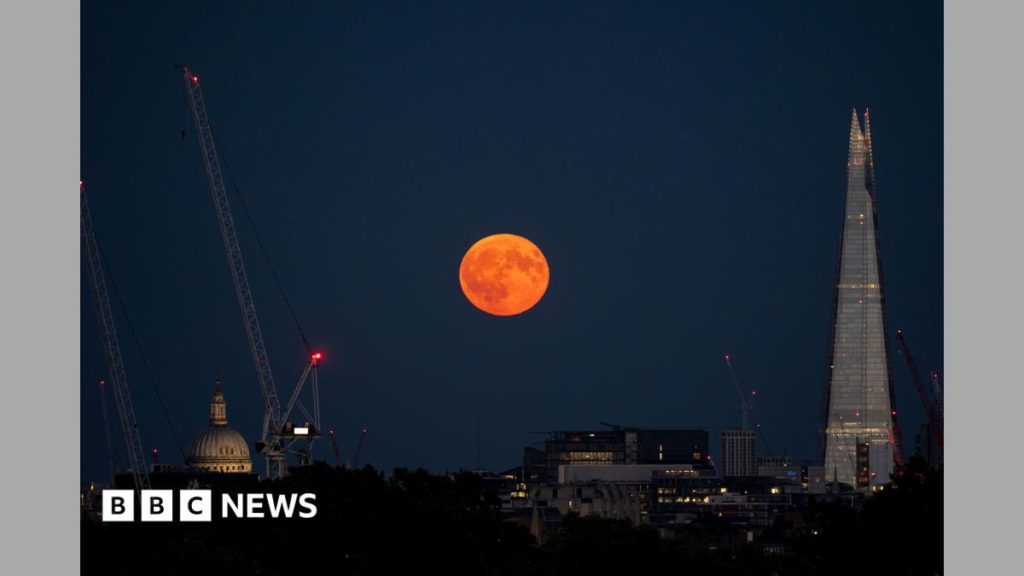
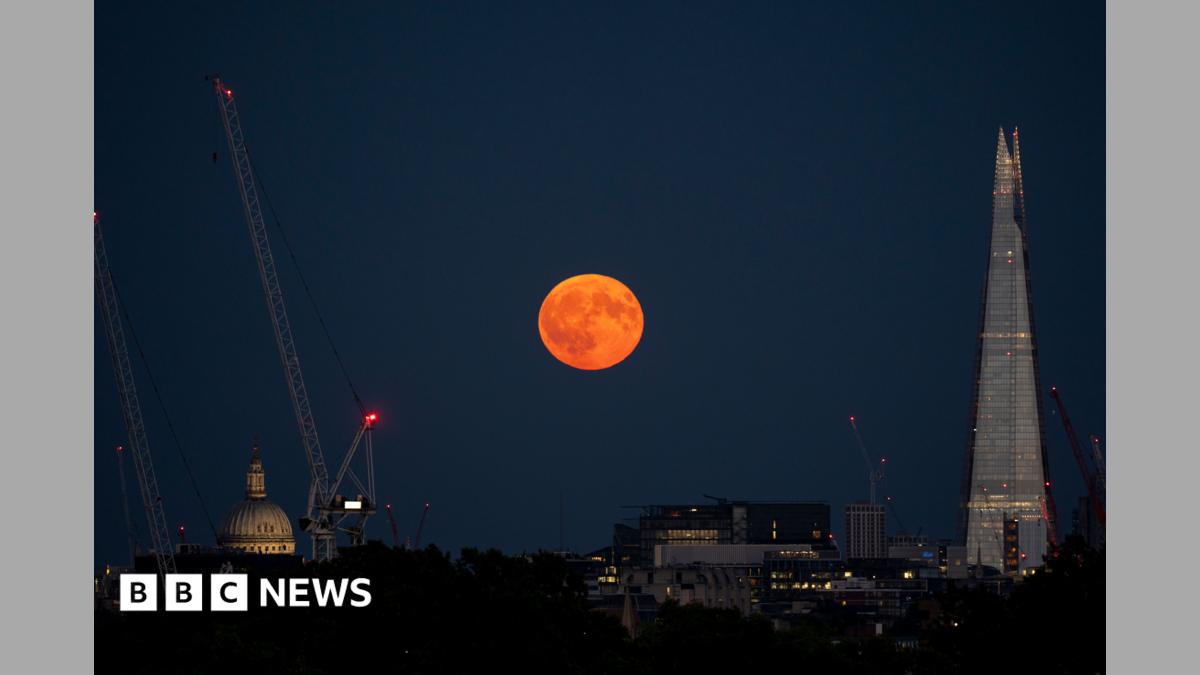
The annual full moon beaver moon is set to illuminate United Kingdom skies this week, offering stargazers a stunning astronomical display as the final major supermoon of the calendar year peaks. According to reporting from the BBC, astronomy enthusiasts across England, Scotland, Wales, and Northern Ireland can anticipate exceptionally clear viewing conditions depending on local weather patterns and cloud cover.
Key Points:
- The full moon beaver moon reaches its peak illumination phase mid-week across the United Kingdom.
- This lunar event represents the final supermoon occurrence of the 2026 astronomical calendar.
- Stargazers are advised to look toward the eastern horizon just after sunset for optimal viewing.
- BBC meteorologists confirm that regional cloud breaks will determine visibility across most British counties.
Last updated: November 24, 2026, 14:00 UTC
When Exactly Will the Beaver Moon Peak in the UK?
The full moon beaver moon will officially reach its peak brightness on Tuesday evening, providing observers across the British Isles with a brilliant celestial spectacle visible throughout the night hours. Astronomical timing indicates that moonrise coincides closely with dusk, making it an ideal time for photography and casual stargazing without requiring specialized optical equipment or telescopes.
As detailed by Forbes, November's lunar event occurs while the moon sits at perigee, its closest orbital point to Earth. This proximity makes the lunar disk appear up to fourteen percent larger and thirty percent brighter than a standard micro-moon, aligning closely with recent celestial tracking data.
How Does This Supermoon Compare to Previous Lunar Events?
The full moon beaver moon stands out in the 2026 astronomical calendar because it marks the culmination of a consecutive series of perigee full moons that began earlier in the autumn season. Observers comparing this event to the October hunter's moon will notice similar apparent sizing, though atmospheric haze and regional weather systems heavily influence perceived luminance.
| Lunar Event Name | Month | Proximity Status | Typical Visibility |
|---|---|---|---|
| Harvest Moon | September | Perigee Approach | Moderate |
| Hunter's Moon | October | Supermoon Peak | High |
| Full Moon Beaver Moon | November | Maximum Perigee | Very High |
What Weather Conditions Are Expected for UK Stargazers?
UK weather forecasts indicate a mixed outlook for the full moon beaver moon, with western regions experiencing clear skies while eastern coastal areas battle lingering autumn fog. Meteorological updates published via CNN suggest that temperatures will drop sharply overnight, requiring warm clothing for anyone planning extended outdoor observation sessions.
Local astronomical societies across the UK have organized community viewing events, though many enthusiasts prefer backyard observation away from urban light pollution to capture optimal details of the lunar craters and maria.
Frequently Asked Questions About the Beaver Moon
Why is the November lunar event called a beaver moon?
The full moon beaver moon derives its traditional name from historic Native American and colonial folklore, marking the time of year when beavers actively finish building their winter dams in preparation for freezing weather.
Do I need binoculars to see the supermoon clearly?
You do not need binoculars or telescopes to enjoy the full moon beaver moon, as the lunar event is entirely visible to the naked eye across the entire United Kingdom.
What makes a full moon qualify as a supermoon?
A full moon qualifies as a supermoon when it occurs while the moon is at or near its closest point to Earth in its elliptical orbit, known as lunar perigee.
How long will the supermoon remain visible?
The full moon beaver moon remains visible throughout the entire night, rising in the east at sunset and setting in the west around sunrise the following morning.
Where can I find more astronomy news and guides?
For more updates on celestial events and technology guides, visit our main portal at Modween for daily curated science and tech reporting.
Image source: https://www.bbc.co.uk/news/videos/cw7v27n5d38go
What impact will this World News development have over the next 12 months?
Reader poll (non-scientific). Share your perspective below or join the discussion in the comments.