
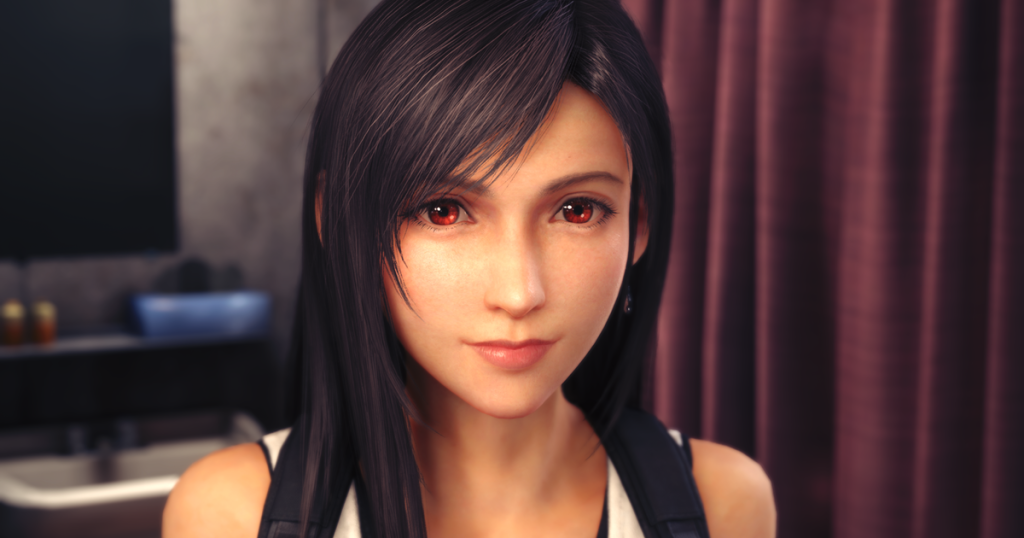
Shanghai police have officially arrested 13 individuals connected to a large-scale bootleg Final Fantasy 7 Tifa figurine operation. Authorities launched this crackdown after local consumers reported concerns regarding product quality and unauthorized manufacturing of the popular gaming character merchandise. Specifically, the investigation began in May following complaints about materials that differed significantly from those used in official gaming collectibles.
The illicit scheme reportedly generated over $300,000 in revenue since its inception in 2024. Investigators confirmed that the suspects lacked any legal licensing from Square Enix to produce these items. Consequently, law enforcement officials moved quickly to dismantle the operation across two major Chinese cities. This case highlights growing enforcement efforts against intellectual property theft in the video game industry.
How Did This Counterfeit Tifa Figure Scheme Operate?
The illegal operation was allegedly led by a suspect identified as Qian. Specifically, this individual managed a network that utilized a factory located in Guangzhou for production. Meanwhile, the team employed over ten people to handle customer service, online sales, and inventory management tasks. They sold these unauthorized figures through various platforms like WeChat and private QQ groups.
Furthermore, the sellers marketed their figures at premium prices reaching up to 2,580 yuan. They attempted to justify these high costs by including extra accessories and interchangeable parts. However, these additions were never part of the original designs created by the rights holders. These tactics intentionally misled customers who sought authentic high-end merchandise.
What Evidence Led To The Final Fantasy 7 Bust?
Authorities confirmed the illegitimacy of these products after contacting Square Enix directly to verify manufacturing rights. Customers initially triggered the investigation by noticing that the bootleg items felt different from the official versions. As a result, police compared the fake goods against genuine stock provided by the company. The visual differences and material quality gaps provided clear proof of the ongoing infringement.
Following these discoveries, police executed coordinated raids in both Shanghai and Guangzhou to seize the illicit inventory. Officials successfully recovered a large volume of unauthorized figures and model kits during these operations. Currently, all 13 suspects remain under investigation for their roles in the sale of infringing reproductions. This decisive action serves as a warning to those engaging in unauthorized commercial activity.
Shanghai police seized various counterfeit goods during the raid on the bootleg Final Fantasy 7 Tifa figurine operation.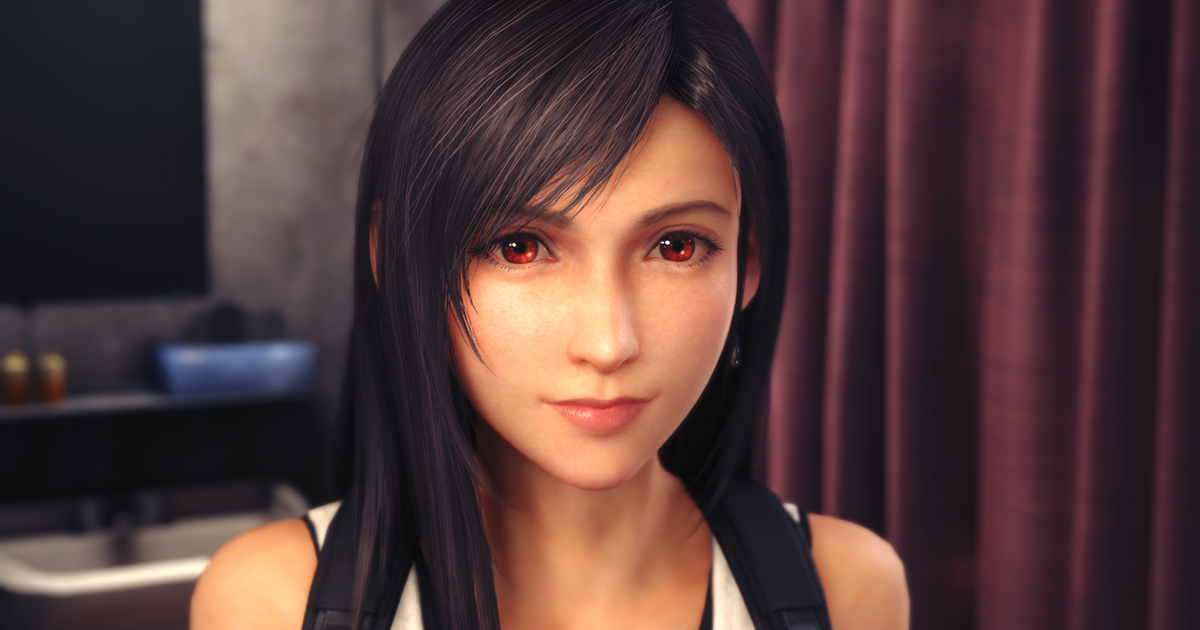
The scale of this specific case reflects a wider trend within Shanghai. In fact, local authorities investigated over 30 criminal cases involving intellectual property violations throughout 2026. These cases involved more than 140 total suspects and reached a collective value of over 70 million yuan. Clearly, officials are prioritizing the protection of creative rights in the gaming market. Such efforts ensure that fans receive authentic products while supporting the original creators.
What Are the Latest Developments in This Story?
Developing Coverage: In follow-up reporting, GamesRadar+ provided additional context regarding Final Fantasy 7. According to the latest dispatch, Police in Shanghai, China have reportedly arrested 13 people in connection with an alleged criminal scheme selling counterfeit Final Fantasy 7 figures. First reported by local Shanghai-based publication Shangguan News (translation via Automaton), in May Shanghai police began receiving complaints about Final Fantasy 7 T.
Frequently Asked Questions
What were the consequences for the suspects?
All 13 suspects were arrested during raids in Shanghai and Guangzhou. They are currently facing active police investigations for selling infringing reproductions of merchandise.
How were the counterfeit items different?
The fake figures used different, inferior materials compared to the authentic versions. Although they included custom accessories to justify higher prices, they lacked official licensing.
Is this part of a larger enforcement trend?
Yes, this operation is part of a larger crackdown. Authorities in 2026 investigated over 30 similar cases involving intellectual property theft in the gaming sector.
For in-depth context, see Cash Counting Scam: Police Release CCTV After Tesco Fraud. For in-depth context, see Artificial Intelligence Deep Dives.
Frequently Asked Questions
How Did This Counterfeit Tifa Figure Scheme Operate?
The illegal operation was allegedly led by a suspect identified as Qian. Specifically, this individual managed a network that utilized a factory located in Guangzhou for production. Meanwhile, the team employed over ten people to handle customer service, online sales, and inventory management tasks.
What Evidence Led To The Final Fantasy 7 Bust?
Authorities confirmed the illegitimacy of these products after contacting Square Enix directly to verify manufacturing rights. Customers initially triggered the investigation by noticing that the bootleg items felt different from the official versions. As a result, police compared the fake goods aga
What Are the Latest Developments in This Story?
Developing Coverage: In follow-up reporting, GamesRadar+ provided additional context regarding Final Fantasy 7. According to the latest dispatch, Police in Shanghai, China have reportedly arrested 13 people in connection with an alleged criminal scheme selling counterfeit Final Fantasy 7 figures.
Frequently Asked QuestionsWhat were the consequences for the suspects?
All 13 suspects were arrested during raids in Shanghai and Guangzhou. They are currently facing active police investigations for selling infringing reproductions of merchandise.
How were the counterfeit items different?
The fake figures used different, inferior materials compared to the authentic versions. Although they included custom accessories to justify higher prices, they lacked official licensing.
What impact will this World News development have over the next 12 months?
Reader poll (non-scientific). Share your perspective below or join the discussion in the comments.