
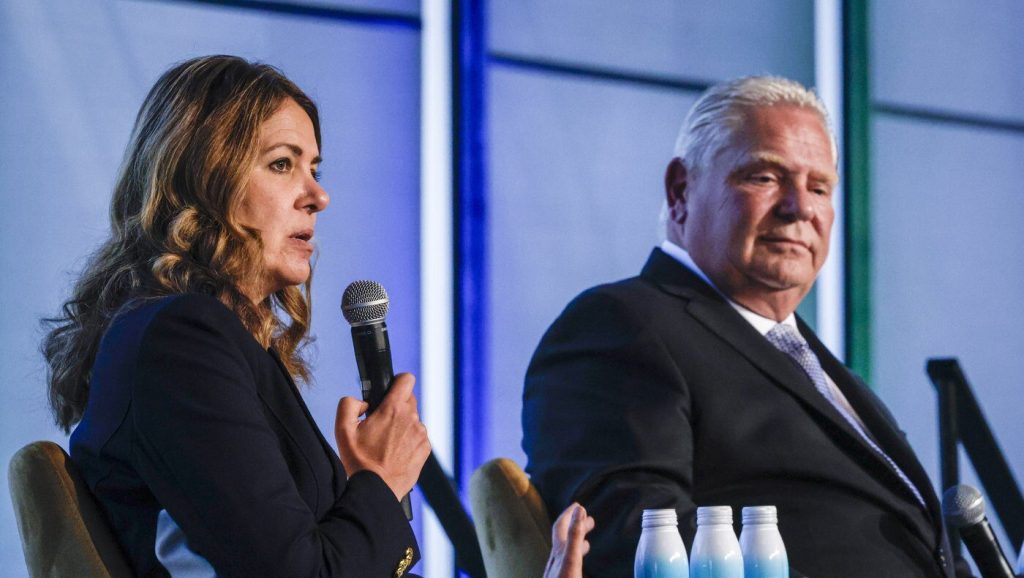
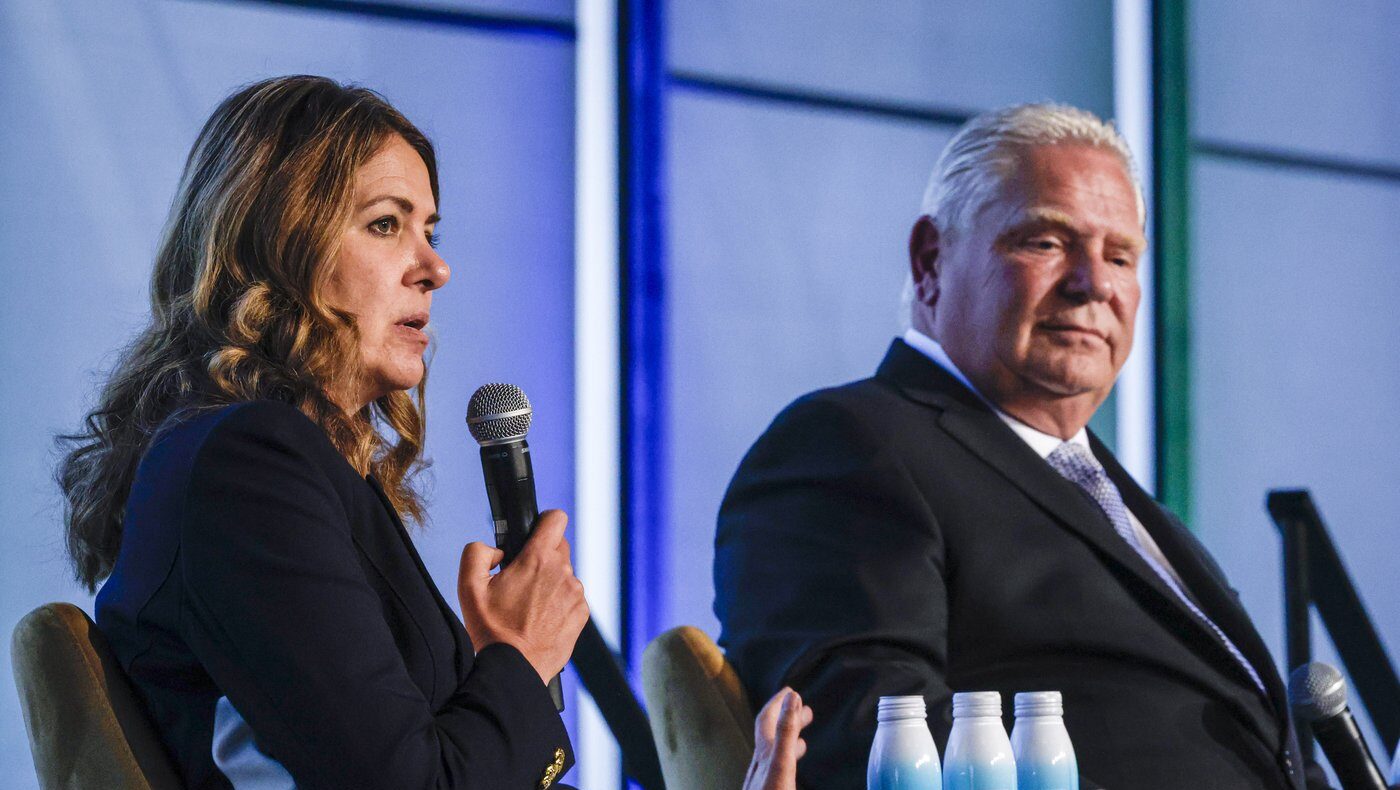
Ontario Premier Doug Ford and Alberta Premier Danielle Smith addressed business leaders on November 23, 2026, to discuss ongoing regulatory hurdles hindering domestic commerce, as reported by CityNews Ottawa. The high-level meeting highlighted systemic barriers within the federation that continue to inflate operational costs for Canadian businesses despite recent political pushes for reform.
Key Takeaways:
- Ontario Premier Doug Ford and Alberta Premier Danielle Smith met on November 23, 2026, to tackle interprovincial trade barriers.
- Both leaders acknowledged that regulatory harmonization remains complex due to entrenched provincial standards.
- Business leaders from Alberta and Ontario joined the discussions to push for faster administrative reform.
- CTV News Edmonton highlighted the economic urgency felt by corporate stakeholders during the summit.
- Last updated: November 23, 2026, at 14:30 UTC.
What Complicates Interprovincial Trade Agreements in Canada?
Regulatory divergence across provincial borders creates significant administrative burdens that slow down commercial transport and drive up consumer prices nationwide. While political leaders express willingness to cooperate, differing provincial certification rules, labor standards, and product compliance frameworks continue to obstruct seamless economic integration across Canada.
According to CP24, both premiers voiced cautious optimism regarding a future framework, but industry experts emphasize that substantive legislative changes are required before meaningful market access improvements materialize for local enterprises.
How Do Ontario and Alberta Compare on Economic Priorities?
Ontario and Alberta share parallel economic goals focused on reducing interprovincial red tape, yet their core industrial sectors create distinct policy priorities during trade negotiations. Ontario focuses heavily on manufacturing supply chains and automotive corridors, while Alberta prioritizes energy export infrastructure and streamlined resource transport across provincial boundaries.
| Province | Primary Focus Sector | Key Legislative Goal |
|---|---|---|
| Ontario | Manufacturing & Retail | Reducing automotive and consumer goods transit friction |
| Alberta | Energy & Resources | Accelerating interprovincial pipeline and energy transport approvals |
| Federal Baseline | National Harmonization | Standardizing regulatory frameworks across all ten provinces |
What Remains Unconfirmed Regarding the Proposed Trade Deals?
Specific implementation timelines for harmonized trade regulations remain undefined following the high-profile November meetings. Although political optimism is high, details regarding which specific industry sectors will receive priority deregulation have not been finalized by the respective provincial cabinets.
Furthermore, federal participation and financial backing for the proposed interprovincial adjustments have yet to be formally announced by Ottawa policy advisors.
Frequently Asked Questions About Interprovincial Trade
Why did Doug Ford and Danielle Smith meet recently?
Ontario Premier Doug Ford and Alberta Premier Danielle Smith met on November 23, 2026, to discuss systemic regulatory barriers affecting interprovincial trade and to collaborate with business leaders on streamlining commerce between their respective provinces.
What specific barriers hinder domestic Canadian trade?
Interprovincial commerce is heavily impacted by conflicting provincial standards, divergent labor certifications, and separate regulatory approval processes that increase operating costs for businesses transporting goods across provincial borders.
What did CityNews Ottawa report about the meeting?
CityNews Ottawa reported that both premiers acknowledged the inherent complexity of achieving seamless interprovincial trade despite ongoing political efforts and pressure from business leaders attending the summit.
How do business leaders view the current trade restrictions?
Business stakeholders in both Ontario and Alberta view existing interprovincial trade rules as outdated obstacles that reduce national productivity and hinder overall economic growth within the Canadian federation.
When might a new interprovincial trade framework take effect?
No official timeline has been confirmed for the full implementation of a new interprovincial trade framework, as ongoing negotiations between provincial leaders and regulatory bodies are still actively progressing.
Image source: https://ottawa.citynews.ca/2026/11/23/smith-ford-interprovincial-trade-complicated/
What impact will this World News development have over the next 12 months?
Reader poll (non-scientific). Share your perspective below or join the discussion in the comments.